
The Importance of Understanding Land Zoning Before Building in Bali

Before building a villa, hotel, or business in Bali, it is crucial to understand the island’s zoning system. Land in Bali is divided into color-coded zones: Yellow (residential), Red (commercial), Orange (tourism), Green (agriculture), Blue (public facilities), Brown (industrial), and Grey (restricted). Each zone has unique rules and impacts property values, permits, and future potential. Choosing the wrong zone can lead to costly mistakes, including fines or even demolition. This guide explains Bali’s zoning in simple terms, helping investors, buyers, and developers make informed decisions. If you want to build smart, legal, and sustainable property in Bali, zoning knowledge is your first step.
Building in Bali: What You Must Know About Beach, River, and Cliff Setback Zones Before Developing Property

Before building your dream villa in Bali, it’s essential to understand the rules about setback zones — known locally as sepadan pantai, sepadan sungai, and sepadan jurang. These are legally protected buffer areas around beaches, rivers, and cliffs that safeguard both the environment and your investment. Ignoring setbacks can lead to floods, erosion, community conflict, or even demolition. But when respected, setbacks can actually increase property value, offering long-term security and stronger appeal to eco-conscious buyers. Whether you’re eyeing a beachfront villa in Canggu, a riverside retreat in Ubud, or a clifftop paradise in Uluwatu, knowing Bali’s setback rules is the first step to turning opportunity into reality — safely, sustainably, and profitably.
Avoid Costly Mistakes: The Real Difference Between PBG and SLF in Bali

Navigating Bali’s property market means more than finding the perfect villa or investment land. Understanding the difference between PBG (Building Approval) and SLF (Certificate of Feasibility) is essential for protecting your investment. PBG is your green light to build, while SLF certifies that your property is safe, legal, and ready for use or rental. Without them, owners risk penalties, operational shutdowns, and reduced property value. This guide explains the differences, how to secure both permits, and why compliance boosts your villa’s long-term value in Bali’s competitive real estate market.
Natural, Modern, or Classic : Which Building Material Can Maximize Your Bali Property ROI?
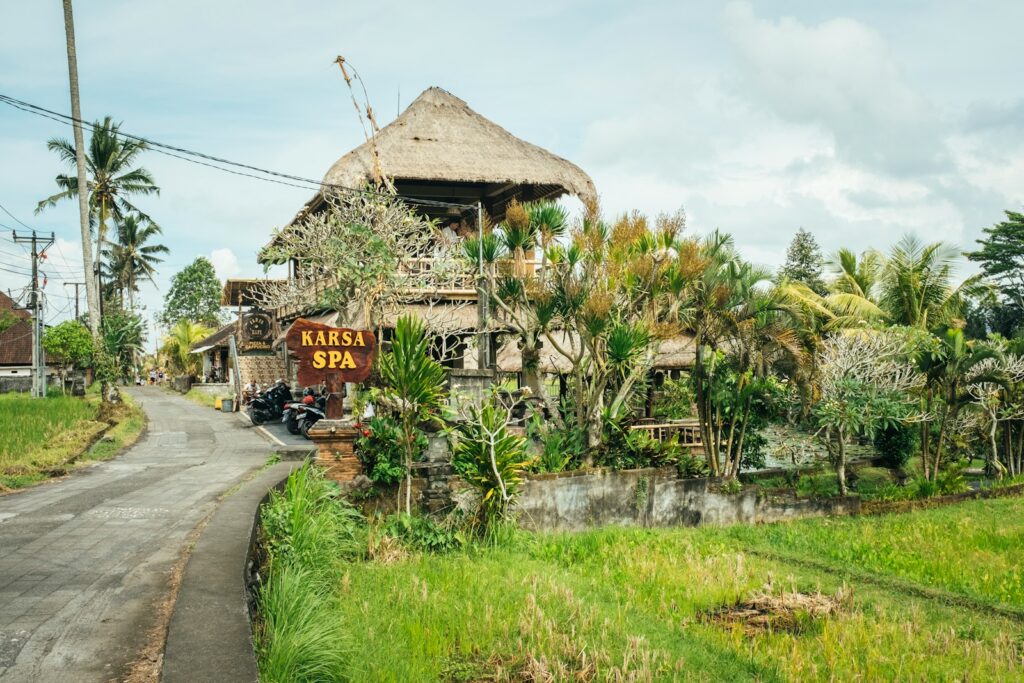
Selecting safe building materials for properties in Bali is not only a matter of construction and design – it is directly tied to the investment returns and long-term value of the property itself. Investors today must choose between natural, modern, and classic materials, each coming with its own safety profile, maintenance level, and market potential. Natural materials are highly attractive for eco-conscious travelers and high-end villa markets but must be treated properly to reduce fire risk. Modern construction systems offer high safety standards and fast build times, while classic Balinese materials deliver timeless appeal and strong resale interest. The most effective strategy involves combining materials in a smart way: modern structure + natural finishes + classic detailing. This approach strongly resonates with the Bali luxury and boutique hospitality market and helps investors build assets that are safe, beautiful, and profitable.
17 Bali Villas Gone in Minutes : What Went Wrong at Eco-Luxury Ulaman Resort?

On August 15, 2025, a major fire destroyed 17 villas at the award-winning Ulaman Eco Luxury Resort in Tabanan, Bali — a flagship property known for its bamboo architecture, alang-alang thatch roofs, and peaceful rice-field surroundings. Although there were no injuries, the blaze spread quickly due to strong winds and highly flammable natural materials used in the resort’s sustainable design. This devastating event highlights a critical issue in Bali’s booming eco-luxury real estate sector: the need to balance eco-friendly aesthetics with modern fire-safety and emergency-response systems. The incident has triggered growing discussion among developers, investors, and officials about future building standards and risk-management protocols for eco-tourism in Bali.
Buleleng: The Rising Hotspot for Property & Tourism Investments, Why a Hybrid Strategy in North Bali Is the Future

Buleleng is quickly gaining attention among savvy investors as one of the most promising regions in Bali for both property and tourism investments. Beyond its beautiful natural landscapes and cultural richness, the region offers low land prices, growing tourism demand, and the unique opportunity to build hybrid projects — such as villas combined with cultural workshops, wellness retreats, or pearl-farm education experiences. With upcoming infrastructure upgrades and a strong demand for authentic travel experiences, Buleleng stands out as a future-proof investment destination in North Bali that merges profitability and meaning.
Urgent Warning to All Bali Investors: 100 Projects Under the Wrecking Bali
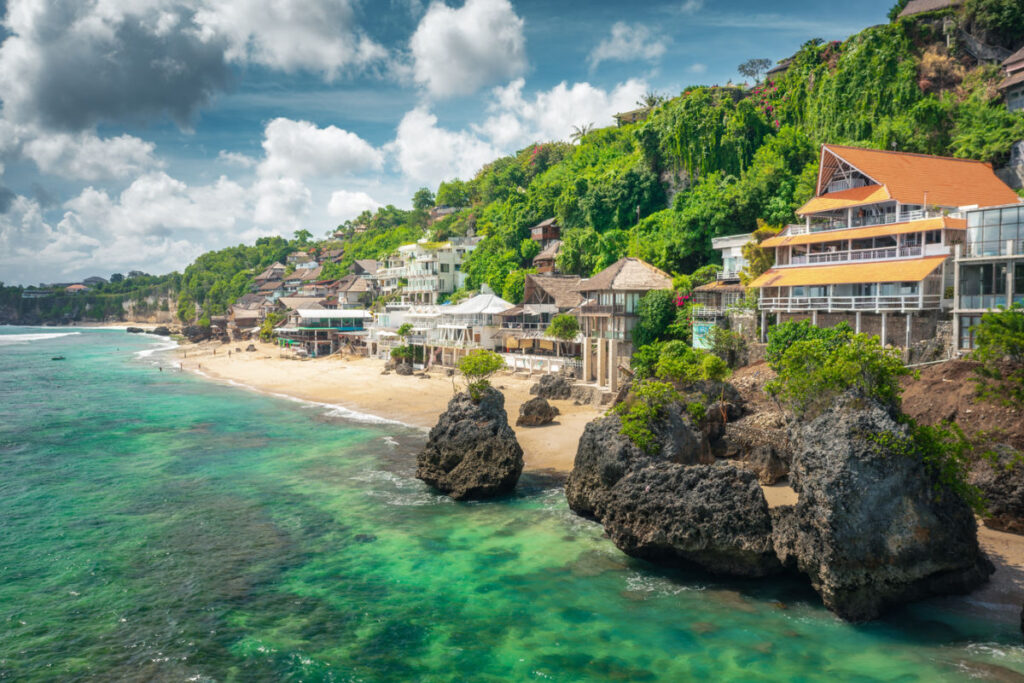
In 2025, Bali authorities have launched an unprecedented crackdown on illegal property developments—over 100 villas, boutique hotels, and compounds now risk demolition for zoning violations, missing permits, and unlawful construction. Starting in hotspots like Bingin and Uluwatu, dozens of businesses are already torn down, displacing locals and igniting cultural concerns. Going forward, only developers with legal compliance, permit alignment, and community support will stand firm. Investors must prioritize transparency, long-term vision, and respect for scenic, spiritual, and regulatory frameworks to succeed in Bali’s evolving real estate landscape.
Bali’s COMO Shambhala Estate Just Got a Jaw-Dropping Redesign,Here’s Why You’ll Want to Visit

OMO Shambhala Estate, Bali’s legendary wellness retreat, celebrates its 20th anniversary with a complete redesign and bold new offerings. Nestled in the Ubud jungle along the sacred Ayung River, the Estate unveils the Ojas Wellness Centre — a sanctuary where ancient Balinese traditions meet cutting-edge health innovations like hyperbaric oxygen therapy and infrared sauna treatments. Guests can choose from short-stay wellness programs or immersive multi-day paths, all within private villa-style residences designed to blend seamlessly with nature. With upgraded fitness facilities, sacred temple surroundings, and COMO’s signature personalized service, the retreat redefines what luxury wellness in Bali can be.
Tabanan: The West Bali Property Boom You’re Missing

Tabanan, Bali’s green heart, is emerging as a leading property investment destination. With land prices from IDR 300–800M per are and villa yields reaching 15–25 % annually, it offers both strong returns and long-term growth potential. Fueled by the rise of healing tourism, sustainable development projects, and upgraded infrastructure, areas like Nyanyi and Kedungu are drawing global investor interest. Landmark developments such as Nuanu Creative City and The Residences by OXO Living are redefining the market. Tabanan blends profitability, cultural depth, and environmental integrity in one irresistible package.
Bali’s Big Tourist Crackdown: What You Must Know Before Booking Your Flight

Bali has rolled out a bold new strategy targeting unruly tourists—launching a 100-officer patrol force, tightening temple etiquette, mandating modest attire, tourist levies, and even guiding how visitors behave online. With penalties from fines to deportation, and a push for mindful digital sharing, Bali is balancing cultural preservation with modern hospitality. This article dives into details, the digital twist, and what it means for the island’s future.

