
17 Bali Villas Gone in Minutes : What Went Wrong at Eco-Luxury Ulaman Resort?
On August 15, 2025, a major fire destroyed 17 villas at the award-winning Ulaman Eco Luxury Resort in Tabanan, Bali a flagship property known for its bamboo architecture, alang-alang thatch roofs, and peaceful rice-field surroundings. Although there were no injuries, the blaze spread quickly due to strong winds and highly flammable natural materials used in the resort’s sustainable design. This devastating event highlights a critical issue in Bali’s booming eco-luxury real estate sector: the need to balance eco-friendly aesthetics with modern fire-safety and emergency-response systems. The incident has triggered growing discussion among developers, investors, and officials about future building standards and risk-management protocols for eco-tourism in Bali.
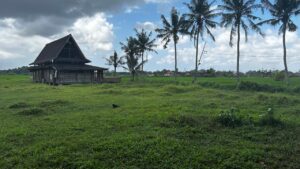
A catastrophic fire completely destroyed 17 villas at the prestigious Ulaman Eco Luxury Resort in Buwit Village, Tabanan, Bali, on August 15, 2025. Although many of the eco-friendly structures were still under construction, four villas had already welcomed guests to the tranquil rice-field location. Luckily, no guests or workers were harmed in the incident. The blaze spread rapidly due to strong winds and the highly combustible natural building materials such as alang-alang thatch and bamboo. This incident not only shocked Bali’s sustainable tourism community, it also raised wider questions about integrating safety measures into modern eco-resort development.
What Happened at Ulaman Eco Luxury Resort?

Shortly before noon on Friday, August 15, workers at Ulaman Eco Luxury Resort noticed flames erupting from one of the in-progress villas. Initial attempts to extinguish the fire using buckets and handheld hoses failed as strong winds accelerated the flames and pushed the blaze across the interconnected buildings. Within minutes, the fire jumped from roof to roof, igniting adjacent villas like dry tinder.
At least 17 villas were destroyed. Of these, four villas were fully operational, while the remaining 13 were still in various stages of construction. Workers and residents evacuated quickly, and immediate calls were made to the Tabanan Fire Department. Five fire trucks arrived on the scene, but narrow rural road access and muddy terrain delayed the teams from reaching some of the burning structures.
No serious injuries were reported. However, the financial loss is expected to be significant, and an official cause is still under investigation. Preliminary eyewitness statements suggest the blaze may have been triggered by sparks created during construction work near highly flammable materials.
Eco-Design Choices: Sustainable or Risky?
Ulaman Eco Luxury Resort was globally recognized for its innovative sustainable architecture. Award-winning designers incorporated low-carbon materials such as:
- Alang-alang thatched roofs
- Bamboo frame systems
- Natural clay walls
- Local volcanic stone and recycled timber
This design philosophy aligns perfectly with Bali’s “Tri Hita Karana” concept, which emphasizes harmony between people, nature, and spirituality. But these same materials can dramatically increase vulnerability to fire especially in windy, dry tropical conditions.
| Eco Material | Sustainability Benefit | Fire Safety Challenge |
|---|---|---|
| Alang-alang roofing | Locally sourced, biodegradable, traditional aesthetic | Extremely flammable; burns rapidly and spreads fire fast |
| Bamboo structural beams | Renewable, low carbon, flexible in design | Ignites easily and can fragment, spreading embers |
| Open-plan layouts | Improved ventilation & natural light | Fire and smoke spread more freely between interconnected areas |
| Remote rice-field setting | Tranquil natural setting for guests | Delays emergency response/access; wind exposure increases |
While sustainable materials contribute to more eco-conscious tourism, this incident highlights how equally important it is to design eco-resorts with intelligent fire-safety mitigation from the beginning.
“It Grew Too Fast” : Witness Accounts from the Ground
Construction vendor Kuncoro Hadi described the intensity of the fire:
“My workers told me the fire suddenly grew, and no one knew where it came from. We tried to put it out with whatever we had, but it didn’t work. Everyone tried to help extinguish the fire, but the wind kept getting stronger.”
Local villagers joined staff and construction teams in a communal effort to control the situation. Without professional equipment and water pressure, however, the flames outpaced their efforts. Only after professional fire crews arrived did the blaze start to slow, although by that point much of the villa compound had already burned down.
Bali’s Eco-Luxury Tourism: A Fast Growing Yet Untested Segment
In the last five years, Bali has seen a dramatic rise in “eco-luxury” properties high-end villas and resorts that combine modern comfort with traditional Balinese materials and sustainable technology. These developments cater to well-informed travelers who prioritize sustainability, wellness, and nature. Tabanan in particular has become a hotspot, due to its green rice terraces, low population density, and peaceful environment.
However, the Ulaman fire incident confirms what many architects and planners have already been discussing behind the scenes:
eco-luxury does not automatically mean disaster-resilient.
Greater international attention on Bali’s tourism infrastructure will almost certainly follow this high-profile incident. Potential developments include:
- Updated fire codes for sustainable buildings
- Government inspections focused on risk-mitigation
- Mandatory fire-safety certifications for eco-resorts
- Higher insurance premiums for thatched-roof resorts
- Brand repositioning : “fire-safe eco-luxury” as a future USP
The Insurance and Investment Perspective
For current investors and owners of eco-resort projects in Bali, the financial implications go beyond the immediate damage. Insurance providers may now:
- Require proof of flame-retardant treatments for alang-alang
- Ask for design schematics that include active fire-suppression systems
- Increase premiums for bamboo-based architecture
- Limit or exclude wildfire-related claims in certain zones
High-net-worth investors and developers may still see eco-resorts as profitable long-term assets but now more due diligence and engineering input may be required before breaking ground.
From a long-term perspective, integrating smart fire-mitigation measures now could even enhance property value by showing a strong commitment to safety and design integrity.
Learning from Global Best Practices in Eco-Resort Design
Bali can take inspiration from other eco-destinations:
Costa Rica
Resorts often separate structures with fire-break zones of nonflammable material and install rainwater collection tanks that double as emergency water reservoirs.
Thailand
Eco-lodges in forest regions use treated thatch and include steel mesh layers under the roof to prevent ember infiltration.
Mauritius
Several coastal eco-resorts incorporate sand or stone paths around each villa as passive firebreaks and install hidden sprinklers within bamboo ceilings.
These practices demonstrate that sustainable architecture can be fire-responsible but it requires purposeful design from the early planning stages.
Building a Safer Eco-Future in Bali : Practical Recommendations
For Developers
- Apply fire-retardant treatment to all thatched materials
- Use nonflammable partitions between villas
- Install supplementary water tanks and hidden sprinkler systems
- Collaborate with fire engineers during the design phase
- Conduct quarterly emergency drills with staff and construction teams
For Policy Makers
- Update building codes to include fire-mitigation requirements for eco-resorts
- Offer incentive programs for implementing safety upgrades
- Create a database of certified, fire-treated local materials
- Promote cross-training between fire-departments and resort operators
For Travelers
- Look for properties with visible fire-safety certificates
- Evaluate location in relation to emergency access routes
- Support brands that actively invest in sustainable safety innovation
A Broader Cultural Perspective : Harmony and Responsibility
The concept of harmonious living is deeply woven into Balinese culture. Beyond the immediate economic or logistical cost of this fire, locals mourn the symbolic loss of spaces that were built to reflect local values and nature.
This event gives Bali an opportunity to adopt a wider idea of harmony ,one that includes human safety as part of the relationship between people and nature. The challenge ahead lies in combining tradition with innovation, aesthetics with resilience, and natural beauty with active protection.
Rebuilding and Moving Forward
Ulaman Resort has already announced plans to rebuild the destroyed villas, this time integrating enhanced safety systems. Although the full financial cost is still being calculated, early signs suggest the resort intends not just to reconstruct, but to set a new standard for fire-safe eco-luxury tourism in Bali. If successful, this may inspire other investors and operators to follow suit.
A clear rebuilding roadmap will likely include:
- Fire-resistant bamboo composite materials
- Hidden roof sprinklers
- Remote alarm monitoring systems
- Dedicated emergency access lane built around the property
- Staff certification programs in fire prevention and emergency response
Sometimes even the most beautiful places need painful reminders. The Ulaman fire reminds us that elegance, sustainability, and safety must rise together. With the right actions, Bali can transform this incident into a turning point where eco-luxury becomes not only beautiful and mindful, but also secure and future-ready for generations of travelers and investors.