

Urgent Warning to All Bali Investors: 100 Projects Under the Wrecking Bali
In 2025, Bali authorities have launched an unprecedented crackdown on illegal property developments, over 100 villas, boutique hotels, and compounds now risk demolition for zoning violations, missing permits, and unlawful construction. Starting in hotspots like Bingin and Uluwatu, dozens of businesses are already torn down, displacing locals and igniting cultural concerns. Going forward, only developers with legal compliance, permit alignment, and community support will stand firm. Investors must prioritize transparency, long-term vision, and respect for scenic, spiritual, and regulatory frameworks to succeed in Bali’s evolving real estate landscape.
A dramatic wave of enforcement is sweeping through Bali’s property landscape over 100 villas, boutique hotels, and residential compounds are now facing demolition due to permit violations, zoning breaches, and illegal land use. This crackdown signals a new era in Bali’s real estate, where legal integrity is becoming paramount.
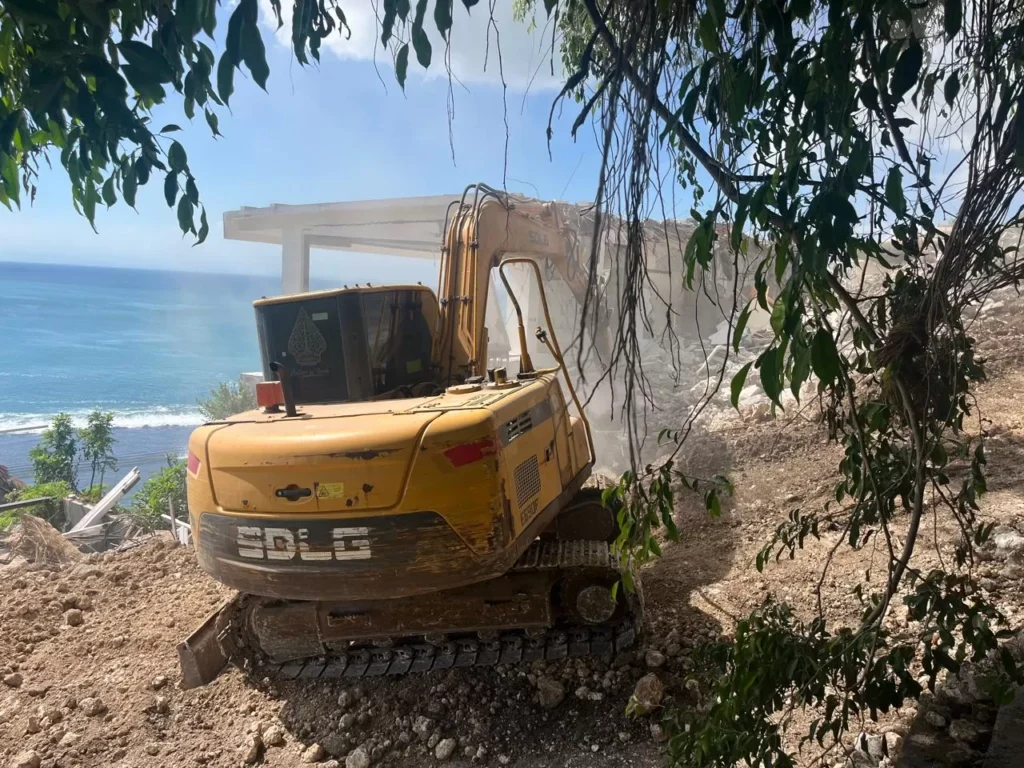
In 2025, Bali authorities have launched a sweeping demolition campaign targeting more than 100 investment projects villas, boutique hotels, and residential compounds suspected of operating without proper permits, encroaching on restricted zones, or flouting spatial regulations. Already, at least 40–48 properties in Bingin and Uluwatu have been razed, igniting widespread debate over cultural preservation, legal fairness, and the future of tourism development.
The Scale and Scope of Demolition
- Bali’s Badung government has mobilized a special enforcement task force to target illegal developments island-wide, over 100 projects now under scrutiny.
- In Bingin alone, authorities have already demolished or sealed approximately 45–48 businesses, including villas, homestays, restaurants, and boutique enterprises .
Core Violations and Legal Breaches
- Violations include building without permission (IMB/PBG), lacking business registration (NIB), and constructing on land zoned for agriculture or protected green zones .
- Many properties were identified as being illegally constructed on government-owned or restricted lands.
Why Bingin and Surroundings Became Flashpoints
- Bingin, once a grassroots surfing and warung village, transformed rapidly into a commercial hotspot. Now, its historical charm is eroding under illegal development pressures.
- The demolition uprooted long-standing local businesses and warungs, prompting emotional responses and claims that Bali’s soul is at stake.
Government’s Enforcement and Messaging
- Governor Wayan Koster declared that none of the targeted beachside businesses had proper permits and vowed the practice cannot be tolerated.
- Officials offered owners a chance to self-demolish before enforcing the dismantling themselves.
Community Impact and Controversy
- Demolitions displaced families, ended livelihoods, and triggered legal action from owners seeking to challenge the enforcement.
- Local voices argue the cultural heritage of Bingin is being erased, while environmentalists warn of damage from demolition debris entering the ocean.
Broader Policy Context
- The crackdown aligns with Bali’s move toward a moratorium on new hotels, villas, and nightclubs in overdeveloped zones—aiming to preserve cultural landscapes and reduce congestion.
Advice for Future Investors
To avoid being swept up in legal enforcement, property developers and investors are urged to:
| Key Compliance Measures |
|---|
| Verify zoning with official documents (ITR, spatial plan) |
| Secure all formal permits (PBG, SLF, business registration) |
| Respect height limits (max ~15 m), cultural aesthetics, and conservation rules |
| Avoid green belt or protected zones—even with leasehold |
| Engage reputable legal, architectural, and community experts early |
The Road Ahead for Bali’s Property Market
- This year’s demolitions serve as a dramatic reset signaling that legality, cultural alignment, and environmental sensitivity must drive future real estate development.
- Long-term, that shift may favor sustainable, regulated investment models over speculative villa-building.
It’s a tough time for some corners of Bali but perhaps it’s a necessary one. As the island resets and reshapes, we’re being reminded that paradise doesn’t come on shaky legal grounds. For investors willing to do things right with respect, paperwork, and community trust Bali will continue to reward long-term vision over shortcuts. Let the rebuild begin, stronger and better than before.