
Work From Bali as a Foreigner: Mastering Connectivity, Culture, and Community in the Island of the Gods

Thinking about working remotely from paradise? Bali has become a global hotspot for digital nomads and remote workers, offering strong internet, vibrant coworking communities, and a lifestyle that blends productivity with wellness. From Canggu’s bustling coworking hubs to Ubud’s bamboo creative spaces, the island is packed with cafés and venues designed for remote professionals. This guide explores everything foreigners need to know about working from Bali, including visa options, costs of living, cultural adjustments, and the best places to set up your laptop. Discover why Bali isn’t just a destination—it’s a way of life.
Why Bali Property is the Prime Target for Global Investors

Bali has become one of the hottest global property markets, attracting investors who want both financial returns and lifestyle benefits. With tourism booming, rental yields averaging 8–12% in prime areas, and affordable entry prices compared to global hotspots, Bali property delivers strong ROI. Add to that the thriving expat and digital nomad scene, flexible ownership structures for foreigners, and the island’s global reputation as a lifestyle paradise, and it’s clear why investors worldwide see Bali as a top destination. Whether it’s a villa in Canggu, a beachfront retreat in Uluwatu, or an eco-resort project, Bali offers opportunities unlike anywhere else.
Ngeruwak Karang in Bali: The Sacred Ceremony Before Building and Its Deep Philosophy

In Bali, before the first stone is laid for a new house or villa, there is a sacred ritual known as Ngeruwak Karang. This land-clearing ceremony is more than tradition—it is a spiritual dialogue between humans, nature, and the unseen world. Guided by the Balinese philosophy of Tri Hita Karana, the ritual seeks harmony with the divine, with neighbors, and with the environment. Offerings of flowers, rice, fruits, and holy water are placed on the land, prayers are spoken, and blessings are given to ensure balance and prosperity. In a rapidly modernizing Bali, Ngeruwak Karang stands as a reminder that true development begins with respect.
What You Need to Know About Pekarangan Desa (PKD) Land in Bali: Tradition, Law, and Property Realities

Pekarangan Desa (PKD) is a unique form of communal land in Bali, managed by traditional villages and given to members for housing. Unlike freehold land, PKD cannot be sold, mortgaged, or owned by outsiders—it belongs to the community. This article explains PKD’s history, legal status, role in daily life, and its relationship to Bali’s booming property market. For investors, PKD is off-limits, but understanding it is key to navigating Bali’s complex land systems. PKD protects local traditions, provides housing security, and reminds us that not all land in Bali is open for commercial exploitation.
Family Offices in Bali: Smart Move or Risky Bet?

Indonesia’s government has floated the idea of using family offices to attract foreign investment, with Bali positioned as a key hub for wealthy global families. While Coordinating Minister Luhut Pandjaitan claims investor interest is strong, experts argue Indonesia faces tough competition from Singapore and Dubai. Bali, however, offers a unique blend of lifestyle, culture, and property opportunities that could make it a “Singapore of lifestyle wealth.” For investors, the message is clear: whether or not family offices pour in, Bali’s property market remains resilient and attractive. At BaliWide, we help investors turn opportunity into reality by guiding them through Bali’s evolving investment landscape.
Can Foreigners Build and Sell Property in Bali? A Complete Guide to Ownership, Regulations, and Taxes
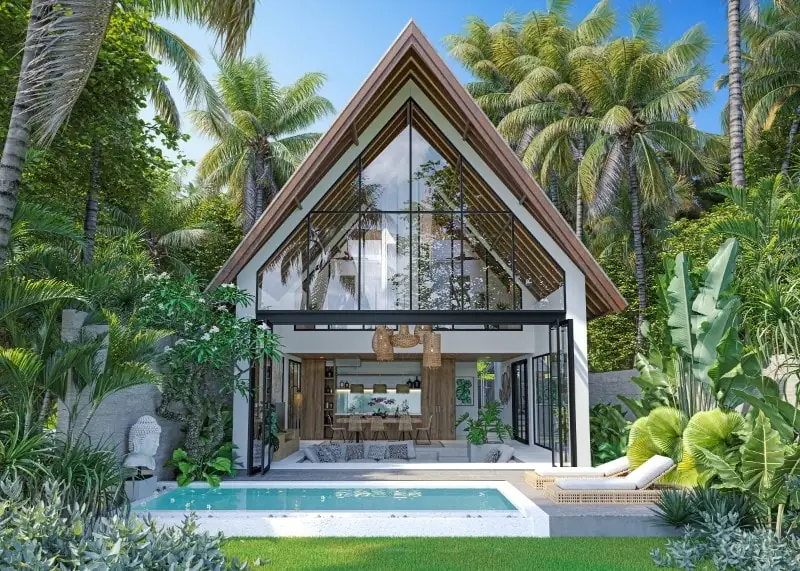
Can foreigners build and sell property in Bali? The short answer is yes — but only if you follow Indonesia’s legal frameworks. Foreign nationals cannot hold freehold (Hak Milik) but can invest under Hak Pakai (Right to Use) or via a PT PMA holding Hak Guna Bangunan (Right to Build). Building is possible with the correct permits, zoning approval, and compliance with environmental rules. Selling is also allowed, but you’ll face final income tax of 2.5% and possibly additional withholding tax if you’re a non-resident. This guide breaks down the rules, options, and tax obligations for foreign investors in Bali, so you can avoid risks and build a secure, profitable property strategy.
Bali as a Green Island: Can It Really Happen and How Do We Get There?
Bali has long been celebrated as a paradise, but can it truly become a Green Island? With over 16 million tourists annually, the island faces growing challenges: fossil fuel dependence, traffic congestion, waste management, and over-tourism. Yet Bali is also uniquely positioned to lead in sustainability, thanks to its abundant solar energy, cultural values rooted in harmony with nature, and rising eco-tourism movement. This article explores Bali’s path to becoming a true Green Island, from renewable energy and electric vehicles to circular economy initiatives and community-led projects. The future of Bali depends on transforming its challenges into opportunities.
Bali’s Overtourism Challenge: Waste, Misused Permits, and the Future of Real Estate Investment
Bali, long hailed as the jewel of Indonesian tourism, is now grappling with the darker side of success. Luhut Binsar Pandjaitan, Chairman of the National Economic Council, recently highlighted urgent problems facing the island: overtourism in Canggu, Kuta, and Ubud, escalating waste management issues, chronic traffic jams, and misuse of permits by foreign investors. While Bali’s economy has bounced back stronger than before the pandemic, these issues pose a serious risk to sustainability, culture, and investment confidence. For real estate investors, developers, and local communities alike, the question is clear: can Bali strike the balance between growth and long-term sustainability? The answer lies in reform, regulation, and a renewed vision for tourism and property development.
Bali Then & Now: How Tourism Hotspots Are Transforming and Where to Look Next

Bali Then & Now: Evolution of Tourism Hotspots and the Rise of Nature-Led Innovation shows how Bali’s tourism landscape has shaped—and reshaped—the island’s identity. From Canggu’s rise as a remote-work mecca and Ubud’s wellness boom to Seminyak’s status plateau, familiar scenes give way to fresh frontiers: Sanur’s subtle revival, Amed’s eco-diving vibe, Lovina’s under-the-radar charm, and Sidemen’s rice-field sanctuaries. This journey highlights where culture clashes with commerce—and where nature-centered, community-driven innovation breathes new life into opportunity. Ideal for travelers, investors, and change-makers seeking to connect with Bali’s most meaningful next chapter.
Can You Build a Villa in Bali’s Brown Zoning Area? A Complete Guide for Investors and Homeowners

Brown zoning in Bali is a residential land-use category designed for settlement and housing support. While this makes it ideal for building homes, many investors wonder whether villas can also be built here. The short answer is yes — but with important conditions. Villas intended as private residences or long-term rentals generally fit within brown zoning rules. However, commercial tourist rentals may face restrictions, requiring permits like PBG and SLF to remain legal. In this guide, we explore what brown zoning means, how it affects villa development, and what kind of ROI investors can realistically expect from brown-zoned properties in Bali.

