

Bali as a Green Island: Can It Really Happen and How Do We Get There?
Bali has long been known as the Island of the Gods, a paradise of beaches, rice fields, temples, and vibrant culture. But in today’s world, there is another title Bali must strive for: a Green Island. With millions of visitors each year, growing local populations, and increasing pressure on resources, Bali is facing one of the greatest sustainability challenges in Southeast Asia. Can Bali balance booming tourism, economic growth, and environmental protection to truly earn the label of a “green island”?
The answer is yes, but the path is complex. It requires rethinking how the island generates energy, how it manages waste, how it regulates transport, and even how culture and community values guide everyday choices. In this article, we’ll explore what it means for Bali to become a true Green Island, what’s holding it back, and what innovative solutions are emerging. Along the way, we’ll uncover fresh ideas from renewable energy to community-based projects, that could make Bali not just a tourist paradise, but a leader in sustainable living.
Why Bali Needs to Become a Green Island
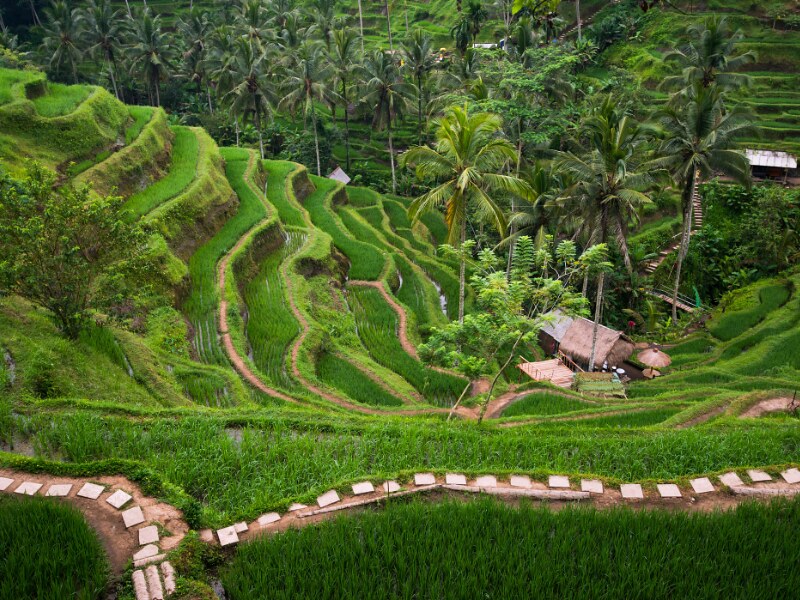
Tourism is the heartbeat of Bali. In 2024 alone, more than 16.4 million visitors came to the island, numbers that dwarf the island’s local population of just 4.5 million. On the surface, that’s great for the economy, but there’s a hidden cost. More tourists mean more vehicles, more hotels, more construction, and, inevitably, more waste.
The island’s ecosystems are under pressure. Coral reefs suffer from plastic pollution, rivers carry untreated waste, and traffic congestion produces harmful emissions. Without intervention, Bali risks becoming a victim of its own success. Over-tourism not only degrades the natural environment but also threatens the very asset Bali depends on: its beauty.
Becoming a Green Island is not about a slogan, it’s about survival. It’s about ensuring that Bali can sustain its culture, economy, and ecology for generations to come.
The Energy Dilemma: From Coal to Clean Power
One of the biggest challenges Bali faces is energy. Nearly all of the island’s electricity still comes from fossil fuels, primarily coal-fired power plants like PLTU Celukan Bawang, which burns thousands of tons of coal daily. The result is escalating CO2 emissions that directly contradict Bali’s green aspirations.
But here’s the good news: Bali is blessed with abundant renewable energy potential. According to research from Udayana University and Greenpeace Indonesia, 98% of Bali’s renewable energy potential comes from solar. With year-round sunshine, Bali could generate far more electricity than it consumes. Add in micro-hydro systems, wind power in coastal areas, and even geothermal options, and the island could, in theory, achieve near-complete energy independence.
The provincial government has set a target of 11% renewable energy usage by 2025. That’s modest, but it’s a start. The real challenge lies in moving beyond pilot projects like the Kayubihi Solar Power Plant and scaling solutions to meet demand across households, hotels, and businesses.
Imagine Bali powered largely by solar micro-grids, with villas and resorts generating their own power and feeding surplus energy back into the grid. This is not just a dream, it’s technically and economically possible.
Transport Troubles: The Price of Mobility
Anyone who has sat in Bali’s infamous traffic knows that transport is a key problem. In 2024, Bali registered more than 5.2 million vehicles, most of them motorbikes. With limited public transport, visitors and locals alike rely on private vehicles. The result? Carbon emissions, air pollution, and chaotic roads.
The island is making progress with electric vehicles (EVs). By late 2024, Bali had around 8,000 EVs on the road, supported by a growing network of charging stations. According to the World Resources Institute, switching to EVs could reduce Bali’s transport-related emissions by up to 43%.
But EVs alone won’t solve the problem. Bali needs mass transit. Plans for LRT and MRT projects have been floated for years but never materialised. Without serious investment and political will, the island risks drowning in congestion.
Forward-thinking policies like Electronic Road Pricing (ERP), higher parking tariffs, or car-free zones in tourist hubs like Canggu and Ubud could also help shift behaviour. Combined with an embrace of cycling and walking infrastructure, Bali could redefine mobility as part of its Green Island identity.
Waste Management: From Crisis to Circular Economy
Waste is one of Bali’s most visible problems. The island generates around 1.2 million tons of trash every year, much of it concentrated in tourist hotspots like Denpasar and Kuta. Mountains of plastic wash up on beaches, threatening marine life and tarnishing Bali’s reputation.
The good news is that awareness is growing. NGOs, local communities, and even international organisations are pushing for zero waste initiatives. Some villages have adopted the concept of desa adat (customary villages) managing waste directly, integrating cultural practices with modern recycling systems.
Still, Bali needs to shift towards a circular economy mindset, where waste is not simply disposed of but re-used, recycled, or upcycled. Hotels can play a massive role by eliminating single-use plastics, composting food waste, and investing in on-site recycling. Tourists too must adapt, carrying reusable bottles, saying no to plastic bags, and respecting local systems.
The truth is: Bali doesn’t need one magic solution. It needs hundreds of smaller, interconnected solutions that collectively reduce waste at its source.
Smoke-Free Tourism: Tackling Another Hidden Pollutant
Beyond plastic and traffic, there’s another issue often overlooked, smoking. Bali has one of the highest smoking rates in Indonesia, with 16% of residents over 10 years old smoking daily, and many starting as teenagers. Cigarette butts are one of the most common forms of litter, often ending up in rivers and beaches.
Globally, destinations like Singapore, Thailand, and even parts of Japan have implemented smoke-free zones in tourist areas. Bali could follow suit, creating cleaner air, less litter, and a healthier image for visitors.
This isn’t just a public health issue, it’s an environmental one. Reducing cigarette waste is part of creating a holistic Green Island.
The Role of Culture and Community
One of Bali’s greatest strengths is its culture. Balinese Hindu philosophy, especially the concept of Tri Hita Karana (the three causes of well-being: harmony with God, harmony with nature, and harmony among people), aligns perfectly with sustainability.
Community-based projects rooted in culture have proven effective. For instance, banjars (local community groups) are often the ones leading waste separation programs, tree planting, and conservation efforts. When sustainability is framed not just as an environmental obligation but as a cultural duty, people are more likely to engage.
This is Bali’s advantage: it doesn’t need to import sustainability concepts from the West. It can lean on its own traditions to build a Green Island identity.
Tourism’s Double-Edged Sword
Tourism is both the problem and the solution. It generates waste and emissions, but it also brings in the money and visibility needed to fund green initiatives. Resorts adopting renewable energy, eco-villas showcasing sustainable architecture, and tour operators offering low-impact experiences are setting new standards.
The question is whether Bali can scale this up. Eco-tourism should not be a niche product; it should be the norm. Government policies could incentivise hotels to meet sustainability standards, while tourists themselves must choose responsibly.
If Bali brands itself as a true Green Island, it could actually attract a new wave of conscious travellers, those who value sustainability as much as beaches.
Innovative Ideas for a Green Bali
To tie it all together, here are some actionable steps that could bring Bali closer to being a real Green Island:
- Expand solar energy farms and rooftop solar adoption.
- Develop micro-hydro plants in upland rivers.
- Promote electric vehicles and invest in charging networks.
- Introduce light rail or electric bus systems for mass transit.
- Enforce single-use plastic bans more strictly.
- Scale up composting and organic waste recycling.
- Create eco-village tourism models.
- Establish smoke-free zones in tourist hotspots.
- Train hotels in circular economy practices.
- Educate tourists on sustainable travel habits.
- Introduce progressive vehicle taxes to discourage overuse.
- Launch green certifications for businesses.
- Incentivise renewable energy through subsidies.
- Create public-private partnerships for waste-to-energy plants.
- Foster school programs teaching eco-values.
- Leverage digital apps for waste tracking and eco-tourism.
- Encourage agritourism to promote local food systems.
- Protect and restore mangroves and coral reefs.
- Celebrate local cultural festivals with green themes.
- Develop Bali as a global showcase for green living.
Can Bali Truly Become a Green Island?
Bali’s journey toward becoming a Green Island is not easy. The challenges, energy, transport, waste, and cultural habits, are complex and deeply rooted. But Bali also has unique opportunities: abundant renewable resources, a strong cultural philosophy of harmony with nature, and a global spotlight that can drive change.
The future of Bali lies in its ability to transform its identity from just a tropical paradise into a model of sustainable living. If government, businesses, communities, and tourists all play their part, Bali can indeed become a true Green Island,an example the world can look to.
And maybe, just maybe, the next generation will know Bali not just as the Island of the Gods, but as the Island that proved paradise can also be sustainable.