
Bali Tourism Skyrockets in 2025: Record Growth, Digital Travel, and the Future of Paradise

Bali tourism in 2025 is smashing records with more than 7 million international arrivals, positioning the island as a year-round global hotspot. July alone saw nearly 700,000 foreign visitors, while Ngurah Rai International Airport managed over 2.3 million passengers in August. Strong feeder markets from Australia, India, China, France, and South Korea drive growth, complemented by resilient domestic tourism. New digital upgrades like the All Indonesia App are streamlining arrivals, while niche travel — wellness retreats, eco-tourism, and digital nomad hubs — is broadening Bali’s appeal. Yet, with success comes new challenges: infrastructure strain, environmental stress, and cultural preservation. The question now is whether Bali can balance booming growth with sustainability and opportunity for both locals and global investors.
KLB and KDB in Bali Property: The Complete Guide to Floor Area Ratio and Building Coverage for Smarter Investments
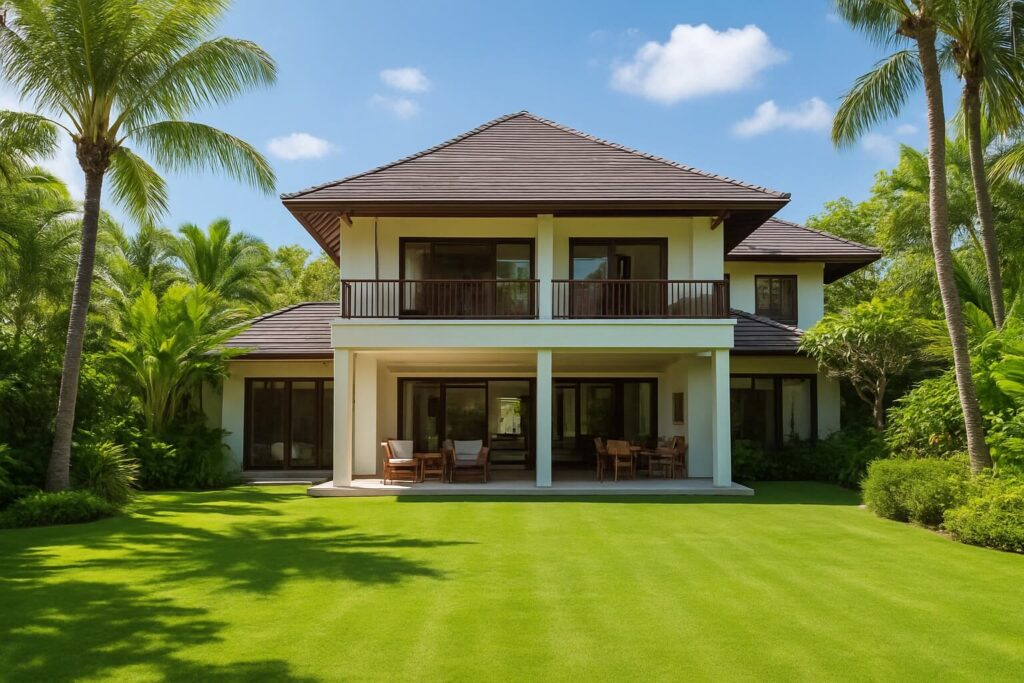
In Bali’s property market, KLB (Floor Area Ratio) and KDB (Building Coverage Ratio) define the very limits of what you can build. These regulations shape how much of your land can be covered by buildings, how many floors you can construct, and ultimately how valuable your property investment becomes. With strict zoning rules, cultural height limits, and a growing focus on eco-friendly design, understanding KLB and KDB is essential for anyone planning to buy, build, or invest in Bali real estate. This guide explains the details, practical examples, and investment insights you need to make smarter property decisions in Bali.
Investing in Bali Safety : A 2025 Guide to Profitable and Secure Property Investments

Bali’s property market has become one of the hottest global investment spots, attracting digital nomads, retirees, and entrepreneurs. With booming rental yields in areas like Canggu, Seminyak, and Ubud, the island continues to outpace many international destinations. But whispers of legal pitfalls, zoning issues, and oversupply raise the question: is investing in Bali safe? The short answer is yes—if you understand Indonesia’s ownership laws, conduct proper due diligence, and align with new 2025 reforms that prioritize sustainability and transparency. This article explores everything you need to know about property rights, taxes, visas, and regulations to protect your investment and maximize returns while enjoying Bali’s lifestyle advantage.
Can a Land Sale Be Cancelled If a Dispute Arises? What Every Bali Property Buyer Needs to Know

Buying land in Bali is a dream for many, but without proper legal checks it can quickly become a nightmare. A recent case in Pandawa Beach involving PT Bali Ragawisata shows how corporate land sales can be challenged and even cancelled if disputes arise. In Indonesia, a land sale must be clean and clear, free from third-party claims, and fully approved when involving corporate ownership. This article explores how land sales can be cancelled, what buyers must check before signing, and the safeguards that every investor should follow to avoid costly legal battles in Bali’s booming property market.
Buying Land in Bali? Here’s the Legal Trap to Watch Out For

Buying land in Bali is a dream for many, but without proper legal checks it can quickly become a nightmare. A recent case in Pandawa Beach involving PT Bali Ragawisata shows how corporate land sales can be challenged and even cancelled if disputes arise. In Indonesia, a land sale must be clean and clear, free from third-party claims, and fully approved when involving corporate ownership. This article explores how land sales can be cancelled, what buyers must check before signing, and the safeguards that every investor should follow to avoid costly legal battles in Bali’s booming property market.
Eco Friendly Homes in Bali: Why Developers Are Betting Big on Sustainable Living

Eco-friendly homes in Bali are in high demand, attracting both local buyers and global investors who see sustainable property as the future. Developers are responding with smart design, energy-efficient systems, and eco-conscious materials that reduce costs while protecting the environment. Projects like Ecoverse at Nuanu Creative City showcase how green living can blend with Bali’s culture and lifestyle. For investors, eco-homes offer higher long-term value, premium rental demand, and alignment with government sustainability goals. With millennials driving demand and Bali’s reputation as a wellness and tourism hub, sustainable housing is quickly becoming one of the island’s most attractive property opportunities.
Wellness Living Property Trend in Bali: Why Developers Are Embracing Healthy Lifestyle Real Estate

Discover the rise of wellness living properties in Bali, where developers are blending sustainability, holistic health, and modern design into lifestyle-driven communities. More than just luxury, these developments integrate yoga spaces, eco-friendly architecture, organic food, and community living, appealing to both residents and global investors. As Bali strengthens its reputation as the world’s wellness capital, wellness real estate is becoming one of the most attractive property trends on the island, offering high rental potential, sustainable growth, and a lifestyle aligned with health and balance.
Subak Survival Guide for Bali Investors: Rules, Rituals, and Respect

Building in Bali often means working with the island’s ancient Subak irrigation system, a UNESCO-recognized cultural treasure. If your villa or resort project passes the Subak line, you cannot ignore its significance. Subak is more than water—it is spirituality, community, and agriculture woven together for centuries. Mishandling it can lead to disputes, delays, or worse, but when managed with respect, Subak can enhance your project’s value. This guide shows you how to navigate Subak lines responsibly, from consulting local leaders to integrating canals into design, ensuring your investment is both compliant and culturally respectful.
Knowing the Balinese Village Structure: Why It Matters for Expats Living in Bali
Understanding the Balinese village structure is essential for any expatriate living in Bali. Beneath the beaches and rice terraces lies a cultural system that shapes land use, ceremonies, and daily life. At the heart of this are the desa adat (customary villages) and banjar (community groups), where locals gather to make decisions and celebrate traditions. For expats, knowing how these work smooths property dealings, prevents misunderstandings, and strengthens bonds with neighbors. Respecting customs, contributing to community life, and embracing culture transforms Bali into more than a place to stay—it becomes a home.
How to Build Strong Relationships with Balinese Villages and Local Communities When You Own a Villa or Project
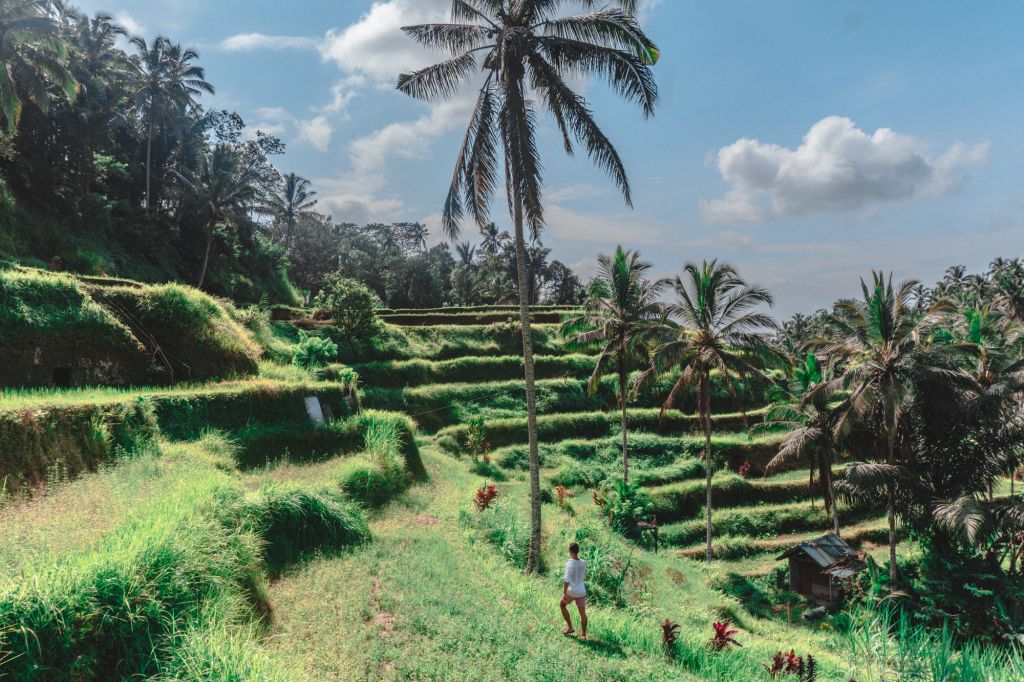
Owning a villa or project in Bali is more than a property investment—it’s an entry into a vibrant cultural community. To truly thrive, foreign property owners must learn how to build respectful relationships with Balinese villages and local people. From introducing yourself to banjar leaders, participating in temple ceremonies, and hiring locals, to respecting sacred land and supporting community projects, the key lies in humility and participation. This guide explores practical steps for integrating into village life, avoiding conflict, and creating win-win opportunities with local communities. By treating your neighbors as partners and embracing the richness of Balinese traditions, you’ll not only protect your investment but also gain the priceless reward of belonging.

