
Bali’s New Permit Freeze: How Floods Are Forcing a Turning Point for Land Conversion Policy

Bali has announced a key shift in policy: starting in 2025, no new permits will be issued for hotels, restaurants, or commercial developments on productive land—particularly rice fields—as part of its 100-year plan to mitigate flood risk and preserve agricultural zones. This article explores how that change affects investors, developers, farmers, and local communities; why resilience and sustainable land policy are becoming central to Bali’s future; and how market players can turn regulatory constraints into competitive advantage. For property advocates and marketers, the freeze on land conversion is not just a hurdle—it is a chance to lead with purpose.
The Importance of SPPL in Bali Property: Protecting Investments, Safeguarding the Environment, and Building Market Trust

SPPL (Environmental Management Statement) has become one of the most crucial documents in Bali’s property market. While many investors see it as a mere formality, SPPL actually plays a vital role in protecting investments, ensuring environmental sustainability, and strengthening market trust. This article dives deep into how SPPL safeguards investors from legal risks, supports Bali’s fragile ecosystem, and helps developers stand out in a competitive property market. With SPPL, property values increase, legal risks decrease, and investor confidence rises. For anyone serious about investing in Bali property, SPPL is not optional — it is essential.
Can You Build in Bali’s P-1 (Green Zone) Land? Understanding the Rules, Risks, and Realities

Buying land in Bali can be a dream come true, but not every plot is meant for villas, resorts, or investment. Much of Bali’s land is zoned P-1, known as the agricultural or green zone, where strict building restrictions apply. In this in-depth guide, we explore what P-1 zoning really means, the legal risks of building in agricultural land, why enforcement is increasing, and how zoning connects to Bali’s sustainability and food security. We also look at what investors can do instead, including safe alternatives and smarter strategies. Whether you are an expat, developer, or property buyer, understanding P-1 zoning can protect your investment and help you make better long-term decisions in Bali’s dynamic property market.
Property Tax in Indonesia: PBB, BPHTB, Challenges, and the Future of Real Estate Regulation

Indonesia’s property tax system covers Pajak Bumi dan Bangunan (PBB) and Bea Perolehan Hak atas Tanah dan Bangunan (BPHTB), two vital instruments for local government revenue. While these taxes support infrastructure, healthcare, and education, challenges persist: compliance remains low, assessed values (NJOP) often fail to match market reality, and speculative property ownership is widespread. In Bali, booming real estate markets amplify these issues, with many villas and plots left idle. This article explains PBB and BPHTB in detail, their benefits and challenges, and introduces the concept of idle property tax—a potential solution to encourage productive land use, curb speculation, and promote fairer housing access for locals and investors alike.
How to Secure a Long-Term Villa Lease in Bali: A Complete Guide for Expats, Investors, and Lifestyle Seekers

Thinking about living in Bali or investing in a villa? One of the most secure and accessible ways for foreigners to enjoy the island is through a long-term villa lease, known locally as Hak Sewa. Typically lasting 25–30 years with options for extension, leasehold allows expats and investors to legally enjoy Bali’s property market without needing Indonesian citizenship. But securing a lease requires careful planning, from verifying land certificates and zoning to drafting a bilingual notarial contract and negotiating renewal clauses upfront. This complete guide walks you step by step through the process, helping you avoid costly mistakes and ensuring your Bali villa dream becomes a secure reality.
Leasehold in Bali: The Investment Secret Foreigners Need to Know

As Bali’s real estate market surges into 2025, one of the biggest questions investors ask is whether leasehold is still a safe and profitable investment. With rising property values, changing regulations, and increasing demand from digital nomads and long-term expats, leasehold remains the most accessible way for foreigners to own property in Bali. Offering lower upfront costs, clear legal pathways, and access to prime areas, leasehold villas and land are still attracting savvy buyers. Yet, investors must carefully weigh risks like diminishing lease terms, unclear renewal clauses, and fluctuations in resale value. In this in-depth guide, we explore the legal framework, financial benefits, pitfalls, and strategies for maximizing returns with leasehold investments. From Canggu to Uluwatu, Ubud to North Bali, we reveal the best areas, rental opportunities, and market forecasts that prove why leasehold can still be a winning investment in Bali in 2025.
Why Groundwater Licensing is Essential for Business, Sustainability, and Community Trust

Securing an Izin Air Bawah Tanah (ABT), or SIPA, is essential for businesses in Bali that rely on groundwater. From resorts and villas to restaurants and spas, this license ensures legal extraction, environmental protection, and community trust. More than just compliance, ABT supports sustainable tourism, ESG commitments, and long-term property value. Without it, businesses risk fines, reputational damage, and even closure. By understanding the process, benefits, and future impact of groundwater licensing, business owners in Bali can operate responsibly while safeguarding one of the island’s most precious resources.
Meet Tira Triyana – Anak Agung Ayu Triyana Tira

At BaliWide, turning opportunity into reality requires more than property listings—it needs the right guidance. That’s where Anak Agung Ayu Triyana Tira steps in. With deep Balinese roots and professional expertise, Ayu bridges cultural understanding with modern property know-how. She connects clients with opportunities, respects traditional protocols, and makes the property process clear and trustworthy. Whether it’s land, villas, or long-term investments, Ayu ensures every step is smooth and transparent. Working with her means having a trusted local partner who is passionate about helping clients succeed in Bali’s unique property landscape.
What to Do Before Buying or Building Property in Bali: How to Avoid Flood Risks and Protect Your Investment
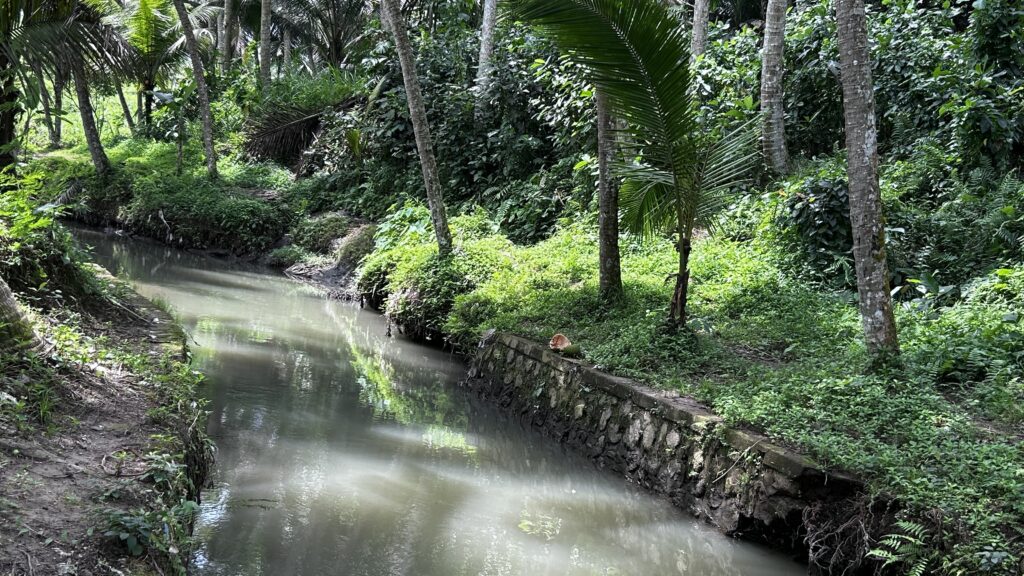
Before buying or building property in Bali, it is crucial to understand the local flood risks—from low-lying coastal zones and clogged drains to the loss of Subak farmland and climate change impacts. This article explains how floods affect property value, legal compliance, and long-term investment returns. It provides practical steps: check zoning and flood maps, design with raised foundations, use flood-resistant materials, ensure drainage and green landscaping, and consult experts. With case studies from Seminyak, Kuta, Ubud, and Jimbaran, plus government policies and rising demand for eco-friendly flood-safe villas, this guide helps investors and homeowners make smarter, safer, and more sustainable decisions in Bali’s property market.
Bali’s Flood Crisis: How Waste, Land Conversion & Urban Planning Are Turning Paradise Fragile

Bali’s recent deadly flash floods stand as a stark reminder: paradise can become fragile when nature’s systems are undervalued. With overflowing rubbish clogging drains, rice paddies replaced by villas, and infrastructure failing to cope with intensifying rainfall, the island’s environmental equilibrium tipped into disaster. But amid the devastation lies opportunity. By weaving together resilient urban planning, sustainable property development, rigorous waste management, and protection of natural watersheds, Bali can rebuild stronger. This is a call to property investors, policymakers, communities, and tourists alike: the time to act is now — to ensure Bali’s beauty and safety endure, not just for today, but for generations to come.

