Natural, Modern, or Classic : Which Building Material Can Maximize Your Bali Property ROI?
Selecting safe building materials for properties in Bali is not only a matter of construction and design, it is directly tied to the investment returns and long-term value of the property itself. Investors today must choose between natural, modern, and classic materials, each coming with its own safety profile, maintenance level, and market potential. Natural materials are highly attractive for eco-conscious travelers and high-end villa markets but must be treated properly to reduce fire risk. Modern construction systems offer high safety standards and fast build times, while classic Balinese materials deliver timeless appeal and strong resale interest. The most effective strategy involves combining materials in a smart way: modern structure + natural finishes + classic detailing. This approach strongly resonates with the Bali luxury and boutique hospitality market and helps investors build assets that are safe, beautiful, and profitable.
The growing demand for property investment in Bali from eco-luxury villas in Tabanan to cliffside residences in Ungasan has created an entirely new level of awareness around safe building materials. Whether you are designing a beachfront retreat, an urban co-living project, or a long-term lease villa aimed at the global digital-nomad market, your choice between natural, modern, or classic materials can directly impact both the safety and market potential of your real estate project. In this article, we explore each category in detail, compare the advantages and limitations, highlight current trends in the Bali market, and provide actionable guidance for owners, investors, developers, and architects who want to create assets that are not only beautiful – but safe, durable, and highly profitable.
Natural Building Materials: Warmth, Sustainability and High Emotional Value
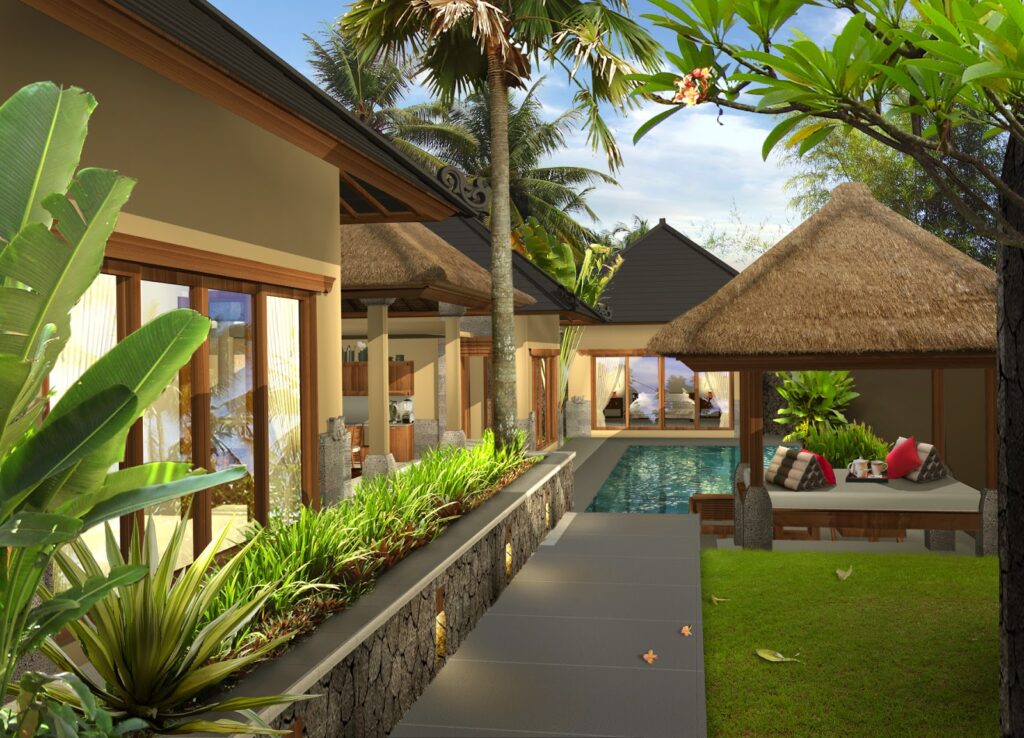
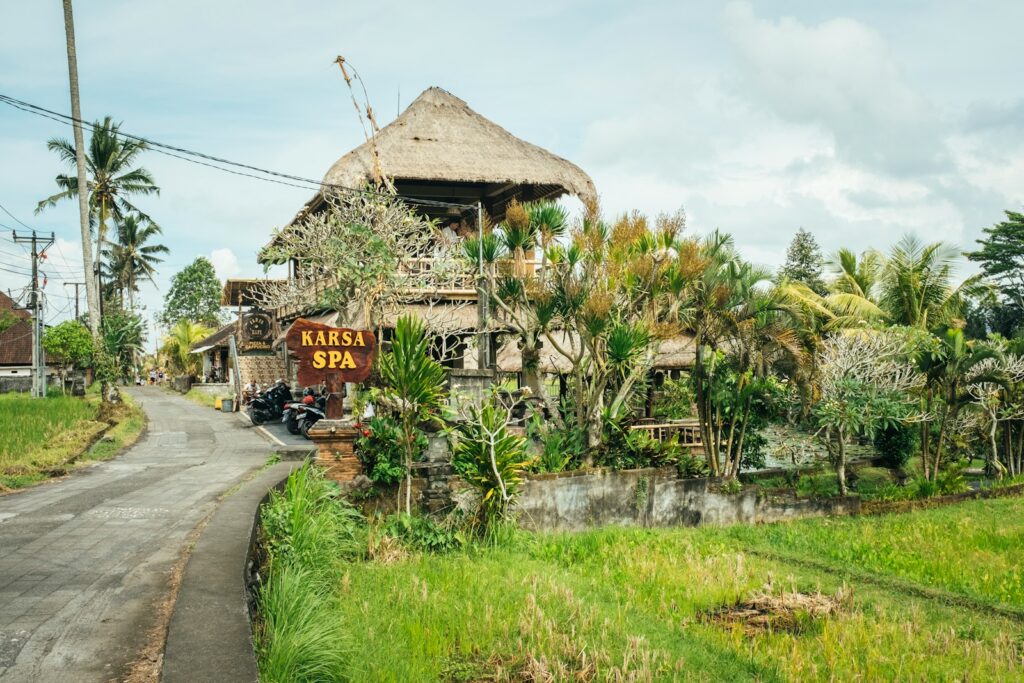
Natural materials such as bamboo, reclaimed teak, stone, coconut wood, alang-alang grass, and terracotta have always formed the backbone of traditional Balinese architecture. Their popularity is currently experiencing a massive resurgence, especially within the luxury hospitality and eco-resort segment.
Advantages
- Great thermal performance and natural insulation
- Lower embodied energy during construction
- Extremely strong visual/brand storytelling value
- Perceived “authenticity” gives higher nightly rates on the rental market
- Appeals to eco-conscious investors and guests (especially Europeans, Australians, and Americans)
Limitations
- Requires constant maintenance (repainting, re-sealing, weather treatment)
- Some materials (e.g., alang-alang roofs) have lower fire resistance
- Prone to mold and insect attacks during Bali’s wet season
- Initial sourcing can be slow if using FSC-certified or reclaimed wood
Real Case Example
Following the Ulaman Eco Luxury Resort fire in Tabanan, where multiple connecting villas were destroyed partly due to strong winds and highly flammable natural roofs, safety standards for natural materials became a key subject for architects and building surveyors. Local governments now encourage the use of treated bamboo, flame-retardant coatings, and protected roofing systems when using natural materials.
Market Outlook
Demand remains extremely strong, especially in East and North-East Bali (Seraya, Amed, Tejakula) where investors are positioning their villas as sustainable retreats. A recent neighborhood survey in Amed showed that 73% of new villa developments chose at least one major natural material as part of the marketing strategy.
Modern Building Materials: Precision, Speed, and Structural Safety
Modern engineering allows developers in Bali to work with steel, reinforced concrete, precast panels, EPS systems, tempered glass, and aluminum frames. These materials are designed to meet international standards, withstand earthquakes, resist fire, and reduce construction time.
Advantages
- High structural integrity and excellent fire resistance ratings
- Faster build time → lower holding costs → faster ROI
- Easier to scale for larger residential or hospitality projects
- Complies with evolving SNI and provincial building regulations
- Can now be blended with natural finishes for a more “organic” feel
Limitations
- Perceived as “cold” or too generic if not combined with local/Balinese detailing
- Requires specialist teams and higher technical skill
- Replacement parts often depend on imported supply chains (delays possible)
Practical Tip
For investors focused on long-term rental income, combining a modern concrete structure with natural interior finishes (e.g. recycled wood cladding) allows you to enjoy the safety of modern construction while still maintaining Balinese character.
Market Outlook
Large-scale hospitality operators (Jumeirah, Accor, Capella) are increasingly using hybrid modern construction systems in Bali to ensure seismic stability and minimize insurance costs. Villas in Canggu built with EPS + concrete frame have reported a 14–18% faster build completion, which translates directly into a shorter investment payback period.
Classic Building Materials: Heritage, Timeless Appeal and Emotional Connection
Classic materials include red brick, stone masonry, carved volcanic rock, traditional clay tiles, and exposed wooden beams. They bridge the gap between the old and new and are especially popular among second-home buyers and long-term expatriates.
Advantages
- Creates a “timeless” look that helps the villa retain value
- Builds emotional connection with guests → repeat bookings
- More durable in tropical environments when well-maintained
- Can increase resale value (classic brick villas in Ubud often sell for +15–20% above market average)
Limitations
- Inconsistent quality if sourced in high volume
- Stone and brick can be heavy → may require reinforced foundations
- Less adaptable for modular or quickly-scaled projects
Market Outlook
In prestigious areas like Ubud and Sanur, over 42% of villa transactions in 2024–2025 involved properties with classic elements (especially brick facades, carved stone lintels, terracotta roof tiles). Buyers describe these properties as “authentic” and “emotionally engaging”.
🔁 Comparative Overview Table
| Material Type | Safety & Fire Resistance | Maintenance | Visual Appeal | Market Demand Trend | Time to Construct |
|---|---|---|---|---|---|
| Natural | Moderate (needs treatment) | Moderate to high | High (eco & luxury) | Growing | Medium |
| Modern | High | Low | Medium (unless blended) | Strong | Fast |
| Classic | High (when built properly) | Moderate | High (heritage) | Growing | Medium |
Combining Materials for Strategic ROI (Recommended Hybrid Approach)
Over the past 3-5 years, hybrid design strategies have become very common in Bali. Experienced developers now combine concrete/steel structures with natural finishes and classic detailing. This allows them to:
- Exceed safety and fire standards
- Create a unique architectural identity
- Reduce long-term maintenance
- Reach broader market segments (eco, luxury, traditional)
Example Strategy for a Mid-Luxury Villa in Seraya
- Structural frame → concrete + steel beams
- Exterior finish → hand-cut volcanic stone + solid teak doors
- Interior ceiling → bamboo lattice (treated, fire-rated)
- Roof → classic clay tiles (safer than alang-alang)
- Pool area → natural stone decking
This combination gives investors higher nightly rates, improved insurance performance, and a strong narrative for online marketing.
What the Market Wants in 2025–2027 (Based on Recent Inquiries and Trends)
- Eco investors want bamboo, teak, and natural stone, but with fire-retardant certification
- Digital-nomad buyers prefer modern minimalist concrete frames with natural wooden interiors
- Luxury holiday villa investors lean toward classic designs with custom stone carving and antique wood
- Institutional hospitality operators want scalable modern systems with local façade elements
Practical Recommendations for Bali Property Developers
1. Think safety first. Make sure the structure uses materials with good seismic and fire-resistance performance.
2. Add natural/classic detailing. These “soft details” increase emotional appeal and boost nightly rental prices.
3. Use certified suppliers. Whether bamboo or precast concrete, use trusted manufacturers to avoid quality variations.
4. Blend styles strategically. 80% structure (modern), 20% finish (natural/classic) is currently the most market-friendly mix.
5. Future-proof your property. Buyers and OTA platforms increasingly prioritize sustainability, safety certification, and local identity.
In Bali’s property market, the real key to long-term success isn’t choosing only natural, only modern, or only classic building materials , it’s having the confidence and knowledge to combine them in a way that feels safe, authentic, and profitable. By aligning the character of your property with appropriate safety standards and proven market demand, you not only protect your investment but also strengthen its appeal in a very competitive environment. A villa that blends modern safety with natural warmth and timeless Balinese character will always stand out , and more importantly, continue to generate strong returns over time.