
Buleleng: The Rising Hotspot for Property & Tourism Investments, Why a Hybrid Strategy in North Bali Is the Future
Buleleng is quickly gaining attention among savvy investors as one of the most promising regions in Bali for both property and tourism investments. Beyond its beautiful natural landscapes and cultural richness, the region offers low land prices, growing tourism demand, and the unique opportunity to build hybrid projects such as villas combined with cultural workshops, wellness retreats, or pearl-farm education experiences. With upcoming infrastructure upgrades and a strong demand for authentic travel experiences, Buleleng stands out as a future-proof investment destination in North Bali that merges profitability and meaning.

Buleleng is rapidly emerging as a new key investment destination in Bali, driven by the convergence of two powerful trends: the surge of property investment opportunities (land, villas, homestays) and the accelerating growth of tourism focused on nature, culture, and long-stay experiences. While the southern part of the island has long been known as a premium hotspot, Buleleng now offers a more authentic and sustainable alternative and investors are beginning to realise just how strategic and lucrative this region truly is.
In this article, we explore the key drivers behind this shift, highlight current market trends (both in property and tourism), introduce the concept of hybrid investment in Buleleng, and provide a forward-looking view on why this region presents one of the most promising investment opportunities in Bali today.
Buleleng in a Glance: Location and Unique Characteristics
Located in the northern part of Bali, Buleleng stretches from the shores of the Bali Sea in the north to scenic mountainous regions in the south. Its administrative capital, Singaraja, continues to be a vibrant centre of education and local culture.
Unlike the ultra-developed areas in the south, Buleleng remains relatively untouched and is home to:
- Lovina, famous for dolphin watching, calm beaches, and intimate marine-based activities.
- Sambangan, home to multiple waterfalls and jungle trekking spots.
- Gerokgak , a region known for its pearl cultivation and emerging interest in educational tourism.
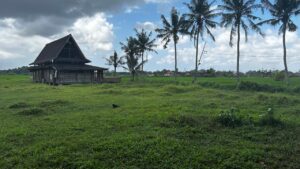
The landscape and social structure in Buleleng offer investors something rare: the possibility to build income-generating property projects while simultaneously integrating cultural and environmental values. It is precisely this authenticity that makes the area so attractive to a new generation of travellers and investors alike.
Property Investment Trends in Buleleng
Strong Market Signals
As of August 2025, more than 178 land plots are being actively marketed in Buleleng, with a high percentage located in Lovina, Sambangan, and Gerokgak. This is a strong indicator of investor confidence and growing market liquidity. Local property entrepreneurs in Singaraja and the Lovina area also report increasing demand for villa development and mid-scale hospitality projects, helped by steady occupancy levels in the tourism sector.
Why Investors Are Moving North
Several factors explain the accelerating interest in Buleleng:
- Land prices remain significantly lower than in South Bali, creating a higher margin for capital gain and ROI.
- Natural attractions are diverse, ranging from marine to jungle environments.
- Accessibility is improving, as the regional government enhances key roads and digital infrastructure (including fast internet coverage).
- Rental demand is strong and consistent, especially among travellers seeking quiet, authentic settings rather than mass tourism environments.
Property projects in Buleleng currently attract three main segments of investors:
- Villa developers targeting weekly and monthly rentals.
- Retreat and wellness entrepreneurs (offering yoga, spa, meditation).
- Local and foreign individuals building hybrid homes (personal use + rental).
Tourism Growth: More Than Just a Getaway
Lovina, A Serious Growth Engine
Lovina remains one of the most dynamic tourism hubs in Buleleng. Marine-related businesses (dolphin tours, snorkeling, diving, boat charters), as well as restaurants and boutique hotels have grown notably in the last five years.
Average guest stay is between 3–8 nights, which is relatively long for coastal destinations an important factor for property owners who depend on rental occupancy.
Educational Pearl Tourism in Gerokgak
In Gerokgak, the pearl industry has started to attract a new segment of visitors who want to learn about pearl cultivation. Workshops, guided tours, and even small pearl-farm retail stores are being developed. This opens an entirely new niche for tourism development where investors can integrate educational experiences directly into their property projects (for example, “stay + learn” retreats).
Culture & Education as Tourism Drivers
Singaraja houses a number of cultural communities and higher education institutions. Courses in Balinese dance, traditional music, and language are now being offered not only to the local population, but also to tourists. It presents a golden opportunity for investors who want to include cultural experience packages into their hospitality product.
A New Perspective: The “Hybrid Investment” Model in Buleleng
Rather than simply buying land to build a villa for rental income, more forward-looking investors are embracing a hybrid model, which integrates accommodation, education, culture, and sustainable tourism.
Examples of Hybrid Investment Concepts
| Concept | Description |
|---|---|
| Stay & Learn Villa | Guests stay in a villa and join classes in Balinese culture, cooking, pearl processing, etc. |
| Agro-Cultural Homestay | Accommodation combined with local farm experiences, pearl farm tours, and village immersion programs. |
| Coworking + Retreat | Villas designed with coworking facilities to attract digital nomads who prefer longer stays in a quiet area. |
| Marine & Wellness Retreat | Combines water-based activities (snorkeling, diving) with yoga, spa and traditional holistic therapies. |
This hybrid approach increases property occupancy, creates multiple income streams, and responds directly to what modern travellers are looking for: authenticity, purpose, and experience.
Future Outlook for Buleleng
Infrastructure Developments
- Plans to introduce railway connectivity and new road networks will dramatically reduce travel time between Buleleng and southern regions of Bali.
- Digital infrastructure is being upgraded, attracting remote workers and digital nomads.
- There are discussions about establishing a secondary airport in the northern area of the island, which could turn Buleleng into a standalone gateway for international arrivals.
Changing Traveller Demographics
A growing number of travellers (especially millennials and Generation Z) are seeking sustainable, experience-driven tourism, rather than standardized beach resorts. They are also more willing to stay longer if the destination offers learning opportunities and wellbeing activities.
Sustainability as Long-Term Value
Sustainability is not a “bonus” in Buleleng it’s a competitive advantage. Properties that preserve natural resources, use renewable energy and respect local culture will outperform in the long term and attract premium rates.
Challenges and How to Overcome Them
While the opportunity is huge, investors must be aware of:
- Environmental impact , overdevelopment could damage Buleleng’s very attraction.
- Regulatory framework, foreign investors must structure acquisitions properly (Hak Pakai, long-term lease etc.).
- Integration with local communities, sustainable success is only possible if local communities are involved and benefit directly.
Ultimately, Buleleng is more than a place to invest money it is an opportunity to build something meaningful. Combining property development with authentic cultural and environmental experiences, the region is poised to become a reference point for hybrid and sustainable investment in Bali. Investors who take action today, while infrastructure and land prices are still favourable, will be positioning themselves ahead of a major curve.
Buleleng is not just a “market”. It is the stage for the next chapter of Bali’s investment story smart, authentic, and deeply connected to local values.