
Budget vs Premium Property in Bali: Understanding Market Segments and Buyer Behavior in 2025
Bali’s property market has never been more diverse – from affordable villas targeting digital nomads to ultra-luxury estates catering to global elites. This article explores how budget and premium properties are shaping Bali’s investment landscape, who’s buying what, and what each segment reveals about the island’s evolving real estate future.
A Tale of Two Markets
Bali’s property market in 2025 is a fascinating reflection of global wealth distribution and lifestyle evolution. The island is experiencing a dual surge – on one end, affordable homes and small villas are capturing the interest of budget-conscious digital nomads and young families; on the other, premium and ultra-luxury properties are being snapped up by high-net-worth investors from across the globe.
This segmentation has created two distinct yet equally powerful forces driving Bali’s real estate growth. Understanding the motivations, expectations, and long-term behaviors of both groups is essential for developers, agents, and investors looking to position themselves strategically.
The Budget Property Segment: Practical Dreams with High Potential
 Who They Are
 Who They Are
Budget buyers in Bali come from diverse backgrounds:
- Digital nomads seeking a semi-permanent base under IDR 2 billion.
- Young couples relocating for lifestyle or remote work.
- Indonesian professionals from major cities like Jakarta or Surabaya looking for affordable investments.
- Small-scale foreign investors preferring manageable entry-level properties.
Price Range & Property Types
Typically priced below IDR 2.5 billion (≈ USD 150,000), this category includes:
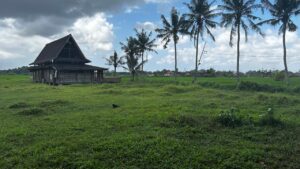
- Compact villas (1–2 bedrooms) in Canggu outskirts, Ubud, or North Bali.
- Leasehold villas offering 20–25 years tenure.
- Studio apartments or co-living units targeting rental income.
Motivation Behind the Purchase
Most buyers in this category are driven by lifestyle flexibility and rental yield rather than prestige. They’re not after beachfront glamour — they want efficiency, accessibility, and a quick ROI through short-term rentals.
Common Goals:
- Passive income through Airbnb-style leasing.
- A personal retreat that doubles as an income source.
- Long-term appreciation in up-and-coming areas (e.g., Tabanan, Pererenan outskirts, Amed).
Trends Driving Budget Growth
- Remote Work Revolution: With Bali established as a remote work paradise, more people are looking for practical yet stylish homes.
- Digital Nomad Visa (Second Home Visa): This program continues to attract new residents staying longer.
- Infrastructure Expansion: The Gilimanuk–Mengwi Toll Road and airport projects are boosting the value of less-developed zones.
- Smart Compact Design: Developers are innovating smaller spaces with modern, energy-efficient features.
The Premium Property Segment: The Rise of Bali’s Billionaire Belt
Who They Are
Premium buyers represent the upper echelon of global investors:
- Entrepreneurs from Singapore, Hong Kong, and Australia.
- Wealthy expats establishing second residences.
- Hospitality investors expanding villa portfolios.
- Celebrities, crypto millionaires, and influencers drawn to Bali’s allure.
Price Range & Property Types
Premium properties generally start from IDR 10 billion (≈ USD 650,000) and can exceed IDR 100 billion for beachfront mansions.
Common examples include:
- Luxury clifftop villas in Uluwatu.
- Designer beachfront estates in Canggu, Berawa, and Seseh.
- Eco-luxury retreats in Ubud and Sidemen.
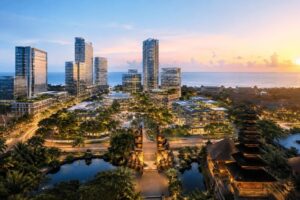
- Branded residences with private staff, concierge services, and investment management.
Motivation Behind the Purchase
Premium buyers are motivated by prestige, exclusivity, and long-term asset security.
They often view Bali as a lifestyle investment – blending personal pleasure, passive returns, and cultural depth.
Common Goals:
- Portfolio diversification outside volatile urban markets.
- Trophy assets in prime coastal areas.
- Strong capital appreciation and brand-driven rentals.
Trends Defining Premium Properties
- Eco-Luxury & Sustainable Design: The demand for villas built with bamboo, recycled wood, and solar integration is soaring.
- Private Villa Resorts: Many investors are now acquiring clusters of villas as boutique hotel concepts.
- Crypto-Friendly Transactions: A growing niche of premium buyers uses digital assets for purchases.
- Architectural Statements: Bold, design-forward villas by international architects are the new status symbols.
Comparing Buyer Psychology: Minimalism vs Masterpiece
| Aspect | Budget Buyers | Premium Buyers |
|---|---|---|
| Motivation | Income & lifestyle balance | Status & exclusivity |
| Preferred Areas | Pererenan, Tabanan, Ubud | Canggu, Uluwatu, Seminyak |
| Ownership Type | Mostly leasehold | Mostly freehold (through entities) |
| ROI Expectation | 8–15% yearly | 5–10% but high capital gain |
| Design Focus | Compact, modern | Artistic, architectural statement |
| Risk Tolerance | Medium | High but calculated |
The emotional undertone differs too.
Budget buyers dream of freedom – escaping routine and building financial independence.
Premium buyers dream of legacy – creating timeless assets and exclusive sanctuaries.
Investment Returns: Which Segment Performs Better?
While premium properties often steal the spotlight, budget properties can outperform in terms of rental yield.
Here’s why:
- Faster Occupancy Turnaround: Smaller units rent quicker on Airbnb.
- Lower Maintenance Costs: Affordable properties require less upkeep.
- Flexible Exit Options: Easier resale to a wider audience.
However, premium properties excel in appreciation and resilience. During economic shifts, high-end real estate tends to retain or even grow in value, especially in iconic zones like Uluwatu or Berawa.
In essence:
Budget = Faster cash flow.
Premium = Long-term wealth preservation.
Developer Strategies: How the Market Adapts
Developers in Bali are becoming increasingly strategic. Some are diversifying their portfolios – offering both affordable and premium projects under different brands.
Budget-Focused Developers emphasize:
- Functional design and affordable pricing.
- Leasehold tenure for quick sales.
- Locations within 20 minutes of hotspots.
Premium Developers emphasize:
- Exclusive access, privacy, and branding.
- World-class architecture and amenities.
- Sustainable building certifications.
A few innovative developers even use cross-segmentation strategies – combining entry-level pricing with upscale aesthetics. For instance, “affordable luxury villas” marketed at under USD 250,000 with private pools, minimalistic design, and strong rental management support.
The Geographical Split: Where Budget Meets Premium
| Region | Market Type | Trend |
|---|---|---|
| Canggu & Berawa | Premium | Still Bali’s epicenter for high-end villas. |
| Uluwatu & Ungasan | Premium Emerging | Growing rapidly due to ocean views & luxury resorts. |
| Ubud & Tegallalang | Mixed | Budget eco-villas + premium wellness estates. |
| Tabanan & Kedungu | Budget Growth Zone | Affordable land with increasing infrastructure. |
| North Bali (Lovina, Tejakula) | Budget | Ideal for long-term land banking. |
| Seminyak | Premium Mature | High resale value, but limited new land. |
The Middle Market: Bridging the Gap
An interesting evolution is the rise of mid-range “affordable luxury” villas priced between IDR 3–6 billion.
These appeal to both:
- Budget investors upgrading their portfolio, and
- Premium buyers seeking secondary assets with higher yield.
This segment represents Bali’s next big wave – where smart design meets balanced affordability.
Future Outlook: 2025–2030
- Digital Residency Programs will continue attracting mid-range investors.
- Green Infrastructure (solar grids, eco zones) will influence property values.
- Luxury Expansion to the West & North will redefine premium geography.
- Government Regulations may further formalize leasing, certification, and ownership paths for foreigners.
In short, Bali’s property story will remain twofold – grounded in accessible dreams yet elevated by global prestige.
Whether you’re an investor chasing returns, a family seeking lifestyle balance, or a visionary developer – Bali’s dual market offers endless possibilities.
Budget or premium, each segment carries its own version of paradise.
And as Bali continues to attract people from every corner of the world, one truth remains timeless:
“In Bali, it’s not just about owning property – it’s about owning a piece of the dream.”