
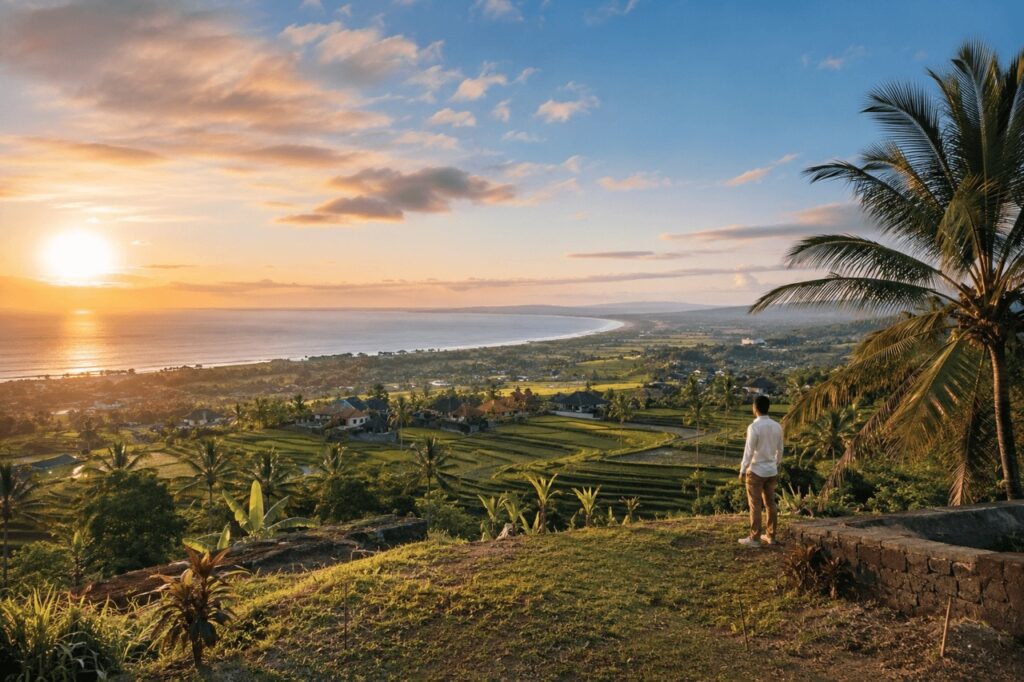
Safe Land Investment Strategies in Bali Amid Stricter Building Regulations
Bali remains one of the most attractive property investment destinations in Southeast Asia, but tighter building regulations are changing the game. Buying land today is no longer just about beautiful views or cheap prices. Investors now need smarter strategies to avoid zoning issues, permit complications, and risky developments. This article explores practical and safe land investment strategies in Bali while uncovering new opportunities emerging from the island’s evolving property landscape.
Safe Land Investment Strategies in Bali Amid Stricter Building Regulations
For years, Bali has been one of the world’s most attractive lifestyle and property investment destinations. The island offers more than beaches and tropical views. It represents culture, tourism, hospitality, wellness, and a globally appealing way of life.
That is why demand for land in Bali continues to grow, especially in popular areas like Canggu, Uluwatu, Ubud, and several emerging regions across the island.
But the investment landscape is changing.
Today, buying land in Bali is no longer as simple as finding a beautiful location and waiting for prices to rise. Stricter building regulations, zoning enforcement, infrastructure concerns, and sustainability issues are now reshaping the market.
And this shift is creating a new reality:
smart investors are adapting,
while careless buyers face increasing risks.
The good news?
Bali still offers massive opportunities , but investors now need safer and more strategic approaches.
Why Bali Is Tightening Regulations
Many investors have started asking:
“Why is it becoming harder to develop property in Bali?”
The answer is actually quite understandable.
Over the past decade, Bali experienced extremely rapid development. Rice fields turned into villas, tourism facilities expanded aggressively, and several areas became heavily overcrowded.
As development accelerated, new challenges emerged:
- traffic congestion,
- water supply concerns,
- environmental pressure,
- infrastructure overload,
- and uncontrolled land conversion.
Because of this, authorities have become more serious about:
- zoning control,
- building permits,
- environmental regulations,
- road access requirements,
- coastal and river setbacks,
- and construction density limitations.
The goal is not to stop investment.
The goal is to create more sustainable and organized development for Bali’s future.
And surprisingly, this could actually benefit serious long-term investors.
The Biggest Mistake Many Land Buyers Still Make
One of the most common mistakes in Bali’s property market is emotional buying.
Many buyers focus only on:
- stunning views,
- cheap prices,
- viral locations,
- or promises of fast appreciation.
But they often ignore the most important question:
“Can this land actually be developed safely and legally?”
This is where problems begin.
Some investors later discover:
- the land falls under restrictive zoning,
- permits become difficult,
- access roads are insufficient,
- setbacks limit development,
- or the surrounding infrastructure is inadequate.
As regulations tighten, these issues become increasingly important.
Owning land is one thing.
Owning usable and legally developable land is another.
Smart Investors Are No Longer Chasing Cheap Land
A few years ago, many investors focused purely on buying the cheapest available land.
Today, experienced buyers are shifting priorities.
They now look for:
- clear legality,
- proper zoning,
- safe road access,
- long-term infrastructure growth,
- and sustainable development potential.
Why?
Because legally secure and development-friendly land often becomes far more valuable than cheap land filled with hidden risks.
In Bali’s evolving market, certainty itself is becoming a premium asset.
Understanding Zoning Is More Important Than Ever
Zoning has become one of the most critical factors in Bali land investment.
Yet many buyers still do not fully understand the differences between:
- tourism zones,
- pink zones,
- yellow residential zones,
- green agricultural areas,
- and mixed-use allocations.
Zoning affects:
- what can be built,
- business licensing potential,
- building density,
- investment flexibility,
- and long-term land value.
A cheap piece of land may look attractive today, but restrictive zoning could severely limit future development opportunities.
That is why investors should always study:
- regional spatial planning,
- zoning maps,
- development trends,
- and possible future policy directions before purchasing.
Emerging Areas Are Becoming More Attractive
As premium areas become overcrowded and more regulated, investors are beginning to explore alternative regions.
This has created growing interest in:
- Tabanan,
- Gianyar,
- northern Ubud,
- Nyanyi,
- and several eastern Bali regions.
Why are these areas becoming attractive?
Because investors are searching for:
- larger land sizes,
- quieter surroundings,
- stronger long-term growth potential,
- and more balanced development environments.
This reflects a broader shift happening across Bali.
The island is slowly moving away from pure mass tourism and toward higher-quality experiences and sustainable lifestyle destinations.
And land investment strategies are evolving with that trend.
Road Access Is Becoming a Major Investment Factor
Years ago, narrow access roads were often ignored.
Today, they matter much more.
Road access can influence:
- permit approvals,
- operational feasibility,
- emergency access,
- logistics,
- and future resale value.
Land with poor access may appear affordable now, but it can become a serious obstacle later.
Modern investors increasingly prioritise:
- proper road width,
- infrastructure quality,
- surrounding neighbourhood development,
- and accessibility.
Because convenience and compliance are becoming essential parts of long-term property value.
Sustainability Is Becoming a New Investment Angle
This is one of the most important emerging trends in Bali today.
Modern travellers increasingly seek:
- eco-friendly living,
- wellness experiences,
- slow living environments,
- nature-integrated villas,
- and sustainable hospitality concepts.
As a result, overly dense developments are slowly losing appeal in certain markets.
Meanwhile, properties that offer:
- greenery,
- privacy,
- lower density,
- natural integration,
- and sustainability-focused concepts
are gaining stronger demand.
This creates a major opportunity for investors who understand where Bali’s market is heading.
The future may belong less to aggressive expansion
and more to thoughtful development.
Avoid Following Social Media Hype
Many first-time investors buy land simply because an area becomes viral online.
But viral locations are not always the safest investments.
Sometimes:
- prices are already overheated,
- competition becomes excessive,
- regulations start tightening quickly.
Experienced investors usually take a calmer approach.
They prefer areas that:
- are still developing,
- have an improving infrastructure,
- offer strong accessibility,
- and show healthy long-term potential.
This strategy is often safer and more sustainable over time.
Due Diligence Is More Important Than Ever
One of the most overlooked steps in Bali land investment is proper due diligence.
Never buy land purely because:
- the price looks attractive,
- the seller creates urgency,
- everyone else seems interested.
Always verify:
- land certificates,
- zoning,
- access roads,
- dispute history,
- setbacks,
- utility access,
- and surrounding environmental conditions.
A small oversight today can become a very expensive problem tomorrow.
Is Bali Still Worth Investing In?
Absolutely YES!
Bali still has enormous long-term potential thanks to:
- global tourism appeal,
- lifestyle demand,
- international communities,
- hospitality growth,
- wellness industries,
- and remote working trends.
But the investment approach must evolve.
The market is becoming more selective, more regulated, and more focused on quality.
And honestly, this is a healthier direction for Bali’s future.
Investors who understand:
- regulations,
- sustainability,
- zoning,
- infrastructure,
- changing tourism behaviour
will likely perform much better over the long term.
Bali land investment is far from over.
But the era of blindly buying land simply because prices keep rising is slowly fading.
In today’s market, successful investors need smarter strategies:
- understand zoning,
- prioritise legality,
- secure proper access,
- follow regulatory trends,
- and focus on sustainable long-term value.
Because in modern Bali, the best land is no longer just the cheapest or the trendiest.
The best land is the one that remains:
- legally secure,
- development-friendly,
- strategically located,
- and aligned with Bali’s future direction.
And for investors who can adapt to this changing landscape, the opportunities remain incredibly exciting.
Read The Indonesian Version….