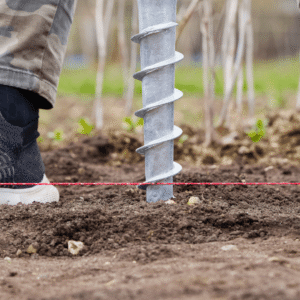

Understanding Soil Testing in Bali: When, How, and Why It’s Crucial Before You Build
Before starting any property development in Bali, one crucial but often overlooked step is the soil test. Whether you’re constructing a luxury villa, a boutique resort, or a small residential project, soil testing helps determine the land’s strength, stability, and long-term safety. This guide explores when to conduct a soil test, how it’s done, and why it’s an essential investment for anyone planning to build in Bali’s diverse terrain.
Building in Bali: Why the Ground Beneath You Matters
 Bali is a land of contrast – volcanic hills, sandy beaches, limestone cliffs, and fertile rice fields. Its natural beauty attracts investors and homeowners from all over the world. Yet beneath the surface lies the key to every successful project: the soil.
Many property developers jump straight into architectural design or permit applications without considering the most basic question – “Is the ground strong enough to hold what I’m about to build?”
That’s where a soil test, also known as a geotechnical investigation, becomes critical. It’s not just a bureaucratic step – it’s a scientific process that protects your investment, ensures building safety, and supports smooth permit approval under Indonesia’s construction regulations.
What Is a Soil Test?
A soil test (uji tanah or geoteknik) is a technical analysis performed to determine the physical and chemical characteristics of the ground where you plan to build. It examines elements such as:
- Bearing capacity: how much weight the soil can hold.
- Soil composition: clay, sand, silt, rock, or mixed types.
- Groundwater level: how close water is to the surface.
- Soil stability: resistance to landslides or subsidence.
- Permeability and compaction: how the soil reacts to moisture and pressure.
The test results tell engineers and architects how to design foundations that are safe and cost-effective. Without this data, you’re building on assumptions – and assumptions can be expensive.
When Should You Conduct a Soil Test?
In Bali, timing is everything – both for your construction and for your paperwork.
Before Design Stage
Ideally, the soil test should happen before your architect finalizes the design. This ensures the foundation type and structure are suited to the land. If the soil is weak, your architect can adjust the plan early instead of having to redesign after permits are submitted.
Before Submitting Building Permit (PBG/IMB)
Under the OSS (Online Single Submission) and local building regulations, some projects may require a soil test report as part of the PBG (Persetujuan Bangunan Gedung) application. This is especially true for multi-storey buildings, villas on slopes, or commercial properties.
Before Purchasing Land (Optional but Smart)
If you’re buying raw land for development, a simple preliminary test can help you understand what lies beneath. For example, land close to rivers or rice paddies may have soft, waterlogged soil that requires deeper foundations, increasing construction costs.
Why Soil Testing Is So Important in Bali
Bali’s topography and geology are diverse, and each region poses different challenges:
| Area | Typical Soil Type | Common Issue |
|---|---|---|
| Canggu, Tabanan | Volcanic & clay | Soft ground after rain |
| Uluwatu, Ungasan | Limestone & coral rock | Hard to drill, requires piling |
| Ubud, Gianyar | Mixed clay & sand | Moisture fluctuation |
| Sanur, Denpasar | Coastal sandy soil | Erosion and drainage |
| Kintamani | Volcanic ash | Loose and unstable under pressure |
Each of these requires a different foundation approach. What works for a villa in Uluwatu may not work for a bungalow in Canggu.
Ignoring soil testing in Bali can lead to:
- Cracks or uneven floors within a year.
- Foundation sinking or tilting.
- Water infiltration and mold.
- Costly repairs and safety hazards.
A simple soil test (costing around Rp 10 – 20 million depending on scope) can save you hundreds of millions in future problems.
The Soil Testing Process in Bali: Step by Step
Step 1: Site Inspection
A geotechnical engineer visits your property to understand its topography, drainage, and accessibility.
Step 2: Drilling and Sampling
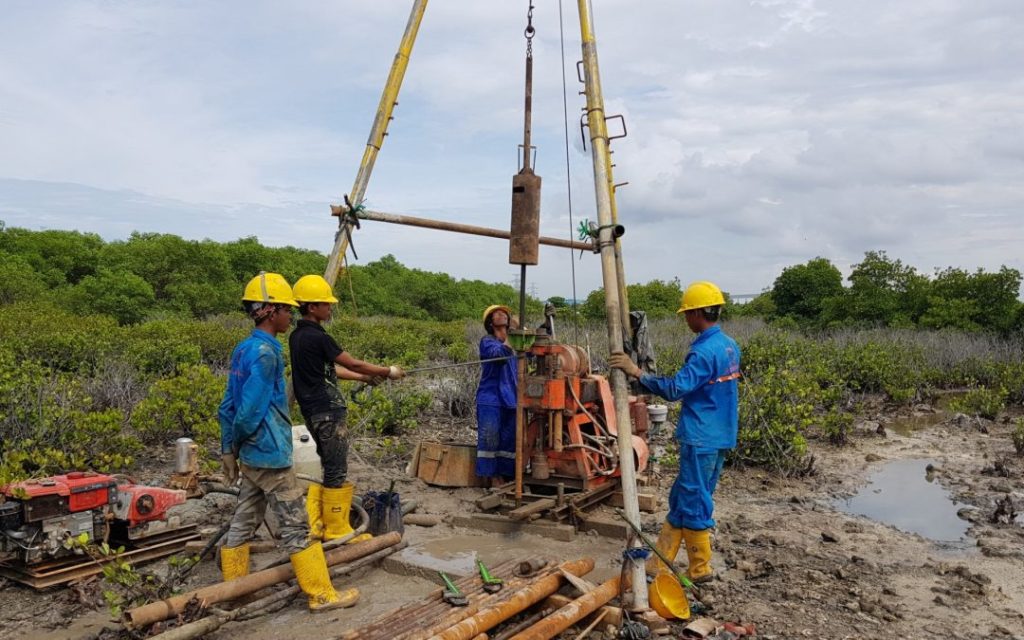
Professional technicians drill several boreholes (usually 2–4 depending on land size and project scale). Samples are extracted from various depths (e.g., 1.5m, 3m, 5m, and deeper if needed).
Step 3: Laboratory Analysis
The soil samples are sent to a certified laboratory (many are located in Denpasar and Badung). Here, they undergo tests like Atterberg limits, SPT (Standard Penetration Test), and moisture content analysis.
Step 4: Engineering Report
Within 1–2 weeks, the geotechnical engineer issues a Soil Test Report, also known as a Geotechnical Report. It includes detailed results and foundation recommendations, such as:
- Pile depth
- Foundation type (raft, footings, piles, etc.)
- Safe load capacity per square meter
- Groundwater levels
- Recommendations for drainage and soil improvement
Step 5: Integration into Building Design
Your architect and structural engineer use the report to design the foundation structure and submit it as part of the permit documentation.
Legal and Permit Relevance: Linking to Amdalnet & OSS
In Indonesia’s modernized permitting system, soil testing plays an indirect but essential role.
- OSS (Online Single Submission): For medium to large construction projects, the OSS system requires environmental and technical data. Soil test results can strengthen your technical document submission and expedite approval.
- Amdalnet: For projects that require an environmental impact assessment (AMDAL) or UKL-UPL, soil testing data helps assess risks like erosion, landslides, and groundwater disturbance.
In short, soil testing supports regulatory compliance and ensures your project aligns with environmental sustainability standards.
Choosing a Reliable Soil Testing Company in Bali
Bali has several professional firms that provide soil testing, foundation design, and structural consultation. When choosing one, look for:
✅ Certification: Ensure they are accredited by LPJK or have a certified geotechnical engineer.
✅ Experience: Ask for references from similar-scale projects (villa, resort, apartment, etc.).
✅ Transparency: They should provide a clear quotation, timeline, and detailed report format.
✅ Local Knowledge: Firms familiar with Bali’s geology understand local soil behavior better than general contractors.
How Long Does It Take and How Much Does It Cost?
While costs vary by site size and depth:
| Project Type | Approx. Cost (IDR) | Timeline |
|---|---|---|
| Small residential villa (2–4 are) | 10 – 15 million | 7–10 days |
| Medium commercial project (5–10 are) | 15 – 25 million | 10–14 days |
| Large resort / multi-storey | 25 – 50 million | 2–3 weeks |
The cost includes drilling, lab testing, and the official report – usually delivered in English and Bahasa Indonesia.
What Happens If You Skip a Soil Test?
Skipping soil testing is a classic example of being “penny wise, pound foolish.” Developers often think, “The land looks fine; we’ll just start building.” But Bali’s soil can be deceiving.
Some common disasters from untested soil include:
- Foundation cracks after heavy rain.
- Walls shifting on sloped terrain.
- Drainage problems and flooding.
- Unexpected foundation redesign mid-construction.
Not only can these issues cost you double the money, but they also delay your project, harm resale value, and damage reputation – especially if you’re building to sell or rent to foreigners.
The Environmental Angle: Sustainable Building Starts Underground
Bali’s government and local communities are increasingly emphasizing eco-conscious development. A soil test is a foundational step toward sustainability.
It helps you:
- Design drainage systems that prevent runoff into rivers.
- Avoid excessive excavation that destabilizes nearby land.
- Build on foundations that reduce material waste.
- Support long-term resilience against floods and landslides.
For developers aiming to market their projects as “eco-friendly” or “green villas,” soil testing is not just a technical formality—it’s part of your sustainability story.
Real-World Example:Soil Test Saves a Cliffside Project in Uluwatu
A recent villa project in Uluwatu nearly ran into a structural nightmare. The investor purchased a cliffside plot with ocean views, assuming the limestone base was rock solid. During pre-construction testing, however, the soil test revealed fractured coral layers and voids several meters below the surface.
Without adjustment, the planned shallow foundations could have caused cracking and partial collapse. Thanks to the soil test, engineers revised the design using deep piling foundations. The project proceeded safely, passing structural inspection with zero issues.
This one test, costing less than 0.5% of the total project budget, potentially saved millions in damages.
A Small Step That Protects a Big Dream
In Bali, where land varies from lush valleys to rocky coasts, soil testing is the unsung hero of successful development. It ensures safety, compliance, and confidence – three things every property investor needs.
Whether you’re building a cozy two-bedroom villa or a full-scale resort, investing in a soil test early saves time, money, and stress later. It’s the smart developer’s secret weapon in Bali’s fast-growing property landscape.