
Why Agricultural Plots Aren’t Always Paradise
Many investors are tempted by Bali’s scenic rice fields and cheap “green zone” lands, imagining a dream villa surrounded by tropical beauty. But what looks like a golden opportunity can quickly become a legal and financial nightmare. In this in-depth guide, we unpack the real risks of buying agricultural or green zone land in Bali, explain zoning laws and conversion processes, and offer practical strategies for avoiding costly mistakes. Whether you’re an expat investor or a local buyer, understanding Bali’s spatial planning (RTRW) is crucial before signing that land deal.
The Lure of Green Zone Land in Bali
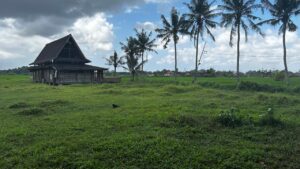
Drive through Bali’s countryside, and you’ll instantly see why many buyers fall in love with “green zone” lands – rolling rice fields, coconut palms, and endless sunsets. These lands often sell for half or even a third of the price of those in tourism or residential zones. For new investors, it feels like a hidden treasure.
Unfortunately, many don’t realize that the “green zone” is not a marketing term – it’s a legal classification under Bali’s spatial planning regulations (RTRW) that strictly controls land use. And buying such land with hopes of building villas, restaurants, or resorts can put investors in serious trouble.
What Exactly Is the Green Zone?
 The green zone (zona hijau) in Bali refers to areas designated primarily for agricultural, conservation, or environmental protection. This includes rice paddies, farmland, forests, and river buffer zones. The government aims to preserve these lands to maintain food security, ecological balance, and cultural heritage.
Under Bali’s RTRW (Rencana Tata Ruang Wilayah) and Perda (regional regulations), building non-agricultural structures – especially for tourism or residential purposes – in a green zone is prohibited.
Simply put: if it’s zoned green, you cannot legally build a villa, café, or homestay.
Why So Many People Still Buy Green Zone Land
Despite these rules, land in the green zone continues to attract buyers – especially foreigners and newcomers. The reasons are obvious:
- Lower prices: Green zone land can be dramatically cheaper than yellow (residential) or red (commercial/tourism) zones.
- Scenic views: Rice fields and nature views make for dreamy villa photos.
- Misleading marketing: Some agents or landowners downplay the zoning issue, calling it “in process” or saying “locals can build anything here.”
- Assumptions about future rezoning: Buyers hope that government plans will change and allow construction later – a risky assumption.
But as we’ll see next, those shortcuts often lead to expensive headaches.
The Legal Risks of Buying Green Zone Land
If you build on green zone land without proper permits, you’re essentially violating zoning and land use laws. This can trigger:
- Demolition Orders: Local authorities have the right to tear down illegal buildings. In recent years, Bali has started enforcing these actions more strictly, especially in Canggu, Tabanan, and Ubud.
- Fines and Sanctions: Violators can face administrative penalties or criminal charges.
- No Permits: You can’t obtain PBG (Building Approval, previously IMB) or SLF (Building Worthiness Certificate) for such properties.
- No Utility Access: Electricity, water, and waste permits might be denied if zoning is not aligned.
- No resale value: Properties built illegally on green zone land are hard to sell to serious investors or through notaries.
- Insurance denial: Insurers won’t cover a building that stands on illegal ground.
Even if the building stands for years without trouble, all it takes is one inspection or complaint for the authorities to take action.
The Economic Trap: When Cheap Becomes Expensive
Buying land in the green zone may feel like a bargain, but in the long term, it can be a financial black hole.
Consider this:
A 10-are rice field near Canggu might cost IDR 3 billion, compared to IDR 8 billion for similar land in a yellow zone nearby. But you can’t build anything legally – meaning that the land’s earning potential stays near zero.
Many investors gamble by building illegal villas anyway, renting them out on Airbnb, and hoping to stay under the radar. This strategy worked for years, but since 2023–2025, Bali’s provincial government has stepped up enforcement. Illegal villas have faced forced closures, especially those marketed online without tourism licenses.
So while legal land might cost more upfront, it provides peace of mind, long-term stability, and genuine investment returns.
The Environmental and Cultural Perspective
Beyond the legal and financial side, Bali’s zoning system serves a purpose. The green zones are vital for the island’s sustainability – and its soul.
Rice fields, or sawah, are not just farmland; they are part of Bali’s subak irrigation system, a UNESCO-recognized heritage network that dates back centuries. Converting these lands into villas not only disrupts the ecosystem but also erodes Bali’s identity as a living cultural landscape.
Unchecked construction in green zones contributes to:
- Flooding due to poor water absorption
- Loss of farmland and food supply
- Traffic congestion in previously rural areas
- Social tension between locals and developers
In short, protecting green zones is not just a regulation – it’s an act of preserving what makes Bali truly unique.
“Land Conversion” – Is It Possible?
Some investors hear about “converting” green land to residential use, known as alih fungsi lahan. While this is technically possible, it’s a complex, lengthy, and uncertain process.
It typically involves:
- Verification of zoning under RTRW and RDTR (Detailed Spatial Plan)
- Approval from multiple agencies, including the Dinas Tata Ruang (Spatial Planning Office)
- Proof of public benefit and environmental compliance (often via AMDAL or UKL-UPL)
- Payment of conversion fees and taxes
Even then, the chances of success are very low unless the government has already planned rezoning for the area. Most agricultural land, especially productive rice fields, will never be legally converted.
So, if an agent says, “Don’t worry, we can convert it later,” – take that as a major red flag.
How to Check Land Zoning Before You Buy
Before buying any land in Bali, always verify the zoning officially. Here’s how:
- Visit the local Bappeda or Dinas Tata Ruang (Spatial Planning Office).
- Request a zoning confirmation letter (Surat Keterangan Zonasi) or RDTR map.
- Check the online platform “Geoportal Tata Ruang” or the official Bali government website for spatial data.
- Consult a licensed notary (PPAT) or reputable property agency to cross-check the zoning and building rights.
Never rely solely on what an agent or owner says. Only official zoning verification guarantees what can and cannot be built.
The Foreign Buyer’s Dilemma
For foreigners, the risk is even greater. Many buy green zone land through nominee agreements under an Indonesian citizen’s name. Apart from being legally risky, this arrangement offers zero legal protection if disputes arise.
Foreign investors should only buy under legitimate Hak Pakai (Right to Use) or leasehold agreements on land zoned for residential/tourism purposes. Otherwise, they risk losing everything if the land is declared illegal or reclaimed.
Real-Life Scenarios: When Dreams Turn Into Disputes
Over the years, several high-profile cases in Bali have highlighted the consequences of green zone speculation:
- Canggu Villas Demolished (2024): Authorities ordered demolition of multiple villas built over rice paddies without permits.
- Tabanan Illegal Developments: Dozens of investors faced penalties after purchasing farmland promoted as “soon-to-be reclassified.”
- Foreign Owners Losing Leases: When owners realized they couldn’t obtain IMB or PBG, they couldn’t operate legally or resell.
Each case underlines a single truth: if it’s in the green zone, it’s not yours to build on.
How to Safely Invest in Bali Property Instead
There are still many legal, profitable ways to invest in Bali property without risking green zone trouble:
- Focus on Yellow Zones (Residential) or Red Zones (Commercial/Tourism)
- Use due diligence services before buying
- Engage reputable local agents who provide zoning verification
- Use proper legal structures like PT PMA for foreign investors
- Get PBG and SLF certificates before construction
And if your dream is to own something surrounded by rice fields – look for plots next to, not inside, the green zone. You’ll enjoy the same view without breaking the law.
The Bigger Picture: Sustainable Growth and Respect
Bali’s future depends on balanced growth – where tourism and investment coexist with environmental and cultural integrity. Investors who understand and respect zoning contribute to a more sustainable Bali.
By staying informed, you not only protect your investment but also help preserve the island’s heritage for future generations. That’s the kind of opportunity worth turning into reality.
Buying green zone land in Bali might sound like a smart shortcut to your tropical dream, but it’s often a trap disguised as opportunity. Legal restrictions, environmental concerns, and enforcement trends make it one of the riskiest plays in the market.
The smarter move is to invest legally, build responsibly, and verify everything before signing. Because in Bali, the true paradise isn’t found in breaking the rules – it’s in respecting them.