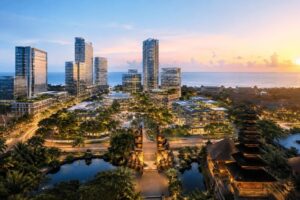

Is Bali Losing Its Soul? How Rapid Investments Are Changing the Island’s Architectural Identity
Quick Read
Bali’s architectural identity is under threat as rapid development and foreign investments prioritize modern, Western-style buildings over traditional Balinese design. While regulations exist to preserve the island’s cultural essence, weak enforcement has allowed high-rise hotels and generic villas to dominate the landscape. As construction continues to shape Bali’s future, the challenge remains: how can the island balance economic growth with cultural preservation? By strengthening regulations, promoting sustainable architecture, and educating investors, Bali may still be able to retain its unique charm before it’s too late.

Bali has long been famous for its stunning landscapes, spiritual atmosphere, and unique architectural heritage. But rapid investment and development are threatening to erase the island’s distinct identity. With high-rise buildings creeping into the skyline and modern, Western-style villas replacing traditional structures, experts worry that Bali’s cultural essence is being lost in the rush for economic growth. While regulations exist to preserve traditional Balinese architecture, enforcement remains weak, allowing developers to reshape the island in ways that don’t always honour its rich history.
The Growing Problem: Modernization vs. Tradition
Bali’s architectural heritage is a huge part of its charm. From intricate temple carvings to the iconic Alang-Alang thatched roofs, the island’s structures reflect deep spiritual and cultural values. However, in recent years, this has been changing rapidly.
Loose Regulations Allow Unchecked Development
The Indonesian government has implemented some regulations to preserve Bali’s traditional architecture, such as:
- A building height limit of 15 meters (approximately the height of a coconut tree)
- Requirements to use locally sourced materials and traditional Balinese designs
- Guidelines to ensure harmony with existing structures and landscapes
However, these regulations are often ignored or weakly enforced. According to I Wayan Agus Novi Dharmawan, chairman of the Indonesian Architect Association (IAI) Bali, violations are rising, with little intervention from authorities.
Western Influences & Commercialization
Many of the newer constructions in Bali cater to international investors and tourists rather than preserving local traditions. Some of the most common trends include:
- Luxury villas in minimalist Western designs that lack Balinese elements
- High-rise hotels and resorts that break traditional height limits
- Commercial buildings with generic, globalized aesthetics
The result? Bali is starting to look less like Bali and more like any other tropical tourist destination.
The Economic Trade-Off: Growth vs. Cultural Erosion
Bali’s economy relies heavily on tourism and foreign investment. The construction industry alone contributed around 9% to the island’s GDP last year. Developers argue that modernization is necessary to accommodate Bali’s growing international appeal. But at what cost?
Why Developers Are Pushing Modern Designs
- Market Demand – Tourists and expats often seek modern amenities, leading developers to prioritize functionality over tradition.
- Cost & Efficiency – Traditional Balinese materials and craftsmanship can be expensive, making contemporary designs more attractive.
- Lack of Legal Consequences – Weak enforcement allows investors to bypass regulations with little fear of repercussions.
The Risks of Losing Bali’s Architectural Identity
- Cultural Dilution – A homogenized aesthetic could make Bali feel less unique.
- Overdevelopment Issues – Unchecked construction can lead to overcrowding, traffic congestion, and infrastructure problems.
- Environmental Impact – Many modern buildings use materials that are not eco-friendly, threatening Bali’s fragile ecosystems.

Solutions: Can Bali Preserve Its Architectural Soul?
Stronger Regulations & Enforcement
The government must take a firmer stance on enforcing architectural guidelines. This could include:
- Heavier penalties for developers who ignore traditional design rules
- More frequent inspections to ensure compliance
- Incentives for projects that embrace Balinese architecture
Promoting Traditional Architecture in New Ways
There’s still a way to balance tradition and modernity. Architects and developers can:
- Integrate traditional Balinese elements (like carved wooden doors, open-air layouts, and natural materials) into modern structures
- Use eco-friendly, locally sourced materials to maintain sustainability
- Encourage foreign investors to support culturally responsible developments
Educating Buyers & Investors
Many new property owners in Bali are foreigners who may not understand the importance of maintaining local traditions. Raising awareness about Balinese architecture and its cultural significance could help shift demand towards more authentic designs.
Can Bali Manage It?
Bali stands at a crossroads: embrace unchecked modernization or find a way to preserve its architectural soul while still evolving. While economic growth is essential, it shouldn’t come at the cost of the island’s unique identity. Strengthening regulations, promoting sustainable architecture, and educating investors can all play a role in ensuring that Bali remains Bali—not just another overdeveloped tourist hotspot.