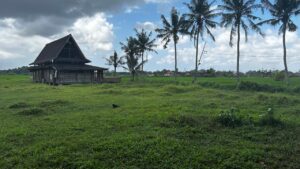

Illegal buildings on ANOTHER Bali beach set to be cleared: Balangan joins Bingin in coastal demolition crackdown
Balangan Beach in Bali is now facing enforcement similar to Bingin: 23 restaurants and warungs built illicitly on state land have been flagged for demolition by end of August 2025. After nearly 50 unauthorized venues on Bingin Beach were removed in July, Bali officials are shifting focus to Balangan. The move stems from violations of zoning laws and lack of formal permits. Instead of rebuilding, authorities propose a public, community‑run coastal zone managed by traditional banjar, offering sustainable access while preserving culture and environment.
Balangan Beach is the latest coastal hotspot in southern Bali flagged for removal of illegal restaurants, warungs, and shacks built on state land without proper permits. Officials have identified 23 unauthorized structures along Balangan’s shoreline, with full demolition expected by the end of August 2025, following the ongoing clearance at nearby Bingin Beach where nearly 48 illegal buildings have already been dismantled under provincial enforcement.

Bingin demolitions set precedent
In late July 2025, Bali authorities began demolishing close to 50 businesses on Bingin Beach including cafes, guesthouses, and beach bars that were found in violation of spatial planning laws and occupying state land. The crackdown, led publicly by Governor I Wayan Koster, has impacted more than 300 locals, many of whom operated under traditional adat permissions now deemed irregular by national law.
Officials have promised the cleared land at Bingin will be returned to public use, overseen by the local traditional village not re-sold to developers or converted into new tourism infrastructure .
Balangan Beach: now in the crosshairs
Balangan, located just north of Bingin in Ungasan, Badung, is now the next target. Provincial Public Order Agency (Satpol PP) officials have identified 23 restaurants and warungs, many perched precariously over the shore, all allegedly lacking legal permits and built on protected coastal state land in violation of zoning rules .
Heavy machinery is not yet on-site; authorities are conducting document verification with the National Land Agency (BPN) and awaiting approval from the regional parliament (DPRD Bali) before commencing operations. Demolitions at Balangan will begin only after Bingin is fully cleared, projected by end of August 2025.
Legal and regulatory context
The root issues stem from violations of the Badung Regional Spatial Plan (RTRW) and construction on state-owned coastal land where building is prohibited. Traditional adat permissions granted by village councils have clashed with formal Indonesian planning law, setting a legal gray zone. The government asserts the law must prevail to restore public right-of-way and ecological integrity.
Transparent procedures are underway: each structure is documented, validated, and cleared following standard operating procedures (SOPs). Environmental assessments (AMDAL) are reportedly being conducted before any heavy machinery enters sensitive coastal zones.
Environmental and cultural considerations
At Bingin, local communities have raised concerns over the lack of prior environmental review, especially with heavy machinery starting demolition before ecological protections were fully assessed. Risks include rubble and debris entering the ocean, potentially harming coral reefs and marine life.
Separately, ceremonial practices have continued locals held prayers and land-blessing rituals before buildings came down a reminder that land rights in Bali intertwine with spiritual and adat traditions. Experts stress cultural literacy is essential during enforcement.
Economic and social impact
While authorities argue these removals aim to preserve natural beauty and ensure legal compliance, the immediate impact on local businesses and livelihoods has been significant. At Bingin, dozens of families lost warung, guesthouses, and bar operations. Many expressed frustration at the hurried notices and lack of viable alternatives.
At Balangan, similar fallout is anticipated: dozens of restaurant owners, surf school operators, and seasonal workers face uncertainty. Critics argue more supportive measures or transition plans should be offered to affected communities.
New community-led sustainable alternative
A proposed alternative gaining traction is creation of a community-managed green coastal zone at both Bingin and Balangan. Instead of rebuilding warungs or private venues, traditional Banjar Pecatu could oversee public viewpoint platforms, picnicking spots, and regulated access areas that preserve the shoreline without resorting to commercial redevelopment.
Such cooperative models integrate tourism with adat governance, giving local communities control over public use while minimizing environmental harm and respecting legal frameworks. This could become a global model for responsible coastal tourism.
Global significance: Bali as a case study
Travel policy analysts see Bali’s steps as emblematic of a growing global trend: balancing legal compliance, ecological protection, and cultural inclusion in tourism governance. The Bingin‑Balangan case may set precedent for other destinations wrestling with unregulated beachfront growth and informal development.
Eco-conscious travelers increasingly value destinations that enforce environmental integrity and cultural authenticity. How Bali handles this transformation could well influence future global tourism norms.
What lies ahead: timelines & controversy
- Late July 2025: demolition begins at Bingin Beach (45–48 illegal buildings).
- End of August 2025: Bingin clearance expected complete.
- Post-August: demolition at Balangan Beach targeting 23 illegal structures.
- Legal appeals and court cases are ongoing but are not halting enforcement.
- Post-clearing, local villages are expected to oversee public-use restoration, not private commercial redevelopments.
There is scope for further protests or adjustments. Environmental groups may scrutinise AMDAL compliance; affected locals may push for compensation or relocation assistance.
Ultimately, Bali’s crackdown on illegal coastal buildings at both Bingin and Balangan Beaches marks more than just demolition it signals a shift toward regulated, community‑centered stewardship of coastal land, one that prioritises legal integrity, environmental protection, and cultural respect. If implemented thoughtfully, the result could be a coastline more beautiful, sustainable, and inclusive preserving Bali’s soul for generations, rather than trading it for profit.
Summary Table & Key Facts
| Beach | Illegal Structures | Timeline | Planned Outcome |
|---|---|---|---|
| Bingin Beach | ~45–48 buildings | Started late July | Cleared by Aug; returned to public use |
| Balangan Beach | 23 restaurants | Demolition after Bingin | Expected complete end‑August; green/public zone managed by village |
- Demolition actions enforced by Satpol PP under orders from Governor Wayan Koster
- Structures violate spatial planning law (RTRW) and are on state land
- Traditional adat permissions not recognized in formal planning
- Environmental impact assessments (AMDAL) reportedly conducted post‑review
- Legal appeals are ongoing but do not halt demolitions
- Community proposal: village‑run viewpoint zones, not new tourism businesses