
Bali’s Hidden Gold: How Protecting Green Land Can Boost Property Value
Bali’s lush landscapes and vibrant ecosystems are not just a backdrop for holiday snaps – they’re a key asset for sustainable tourism, real estate investment, and community wellbeing. With development pressure mounting in areas like coastal resorts and rice-belt zones, it’s more critical than ever for property stakeholders, developers and advocates to recognise how green space preservation underpins value and opportunity. In this article we examine the interplay of tourism growth, environmental risk and property development across Bali – offering insights for investors, advocates and local communities alike on how to turn opportunity into reality by safeguarding the island’s natural heritage.
The island of Bali is renowned worldwide for its natural beauty nestled rice terraces, lush upland forests, shimmering coastlines and rich cultural heritage. But as tourism and property development accelerate, especially in prime zones like southern Bali, those green landscapes are under increasing threat. According to a recent article in The Bali Sun, tourism professor I Wayan Suardana has urged Bali’s leadership to renew its commitment to protecting ecosystems and cultural heritage, warning that current investor-driven growth may undermine the very uniqueness that makes the island such a magnet.
For property advocacy, investment and tourism marketing – with a focus on real-estate in Bali and surrounding areas – this signals a pivotal moment. Protecting green landscapes isn’t just an environmental good – it’s a strategic move that safeguards long-term value, supports genuine visitor appeal and enhances community resilience. In this blog-style piece we’ll explore the challenge of development pressure in Bali, examine why preserving green landscapes matters for property and tourism, tease out the implications for investors and local communities.
 Development Pressure on Bali’s Green Landscapes
 Development Pressure on Bali’s Green Landscapes
Rapid tourism & property expansion
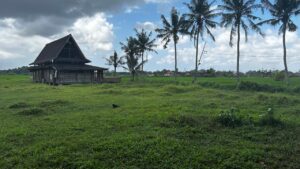
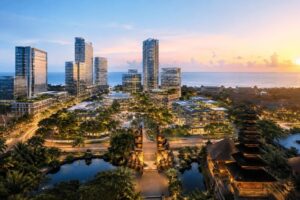
Over recent decades, Bali has seen dramatic shifts. According to reports, satellite imagery and studies show how tranquil rice-belt and forested areas have been converted into resort developments, villas and infrastructure. In particular, zones in the south (like Canggu, Seminyak, Kuta) have experienced intense urbanisation and loss of open farmland.
Regulatory shifts & emerging moratoriums
In response to environmental and infrastructure stress, the local government has drafted legislation to restrict new tourism-infrastructure development in many areas of the island beginning in 2026. Moreover, broader reports suggest that new regulations may limit construction of new hotels or commercial facilities on productive or sensitive land.
The landscape & ecosystem at risk
When forests, upstream areas and rice terraces are altered or fragmented, the impacts run deep: increased flooding and erosion, loss of biodiversity, diminished ecosystem services (clean water, air purity, soil stability), and harm to community foundations grounded in traditional land uses. The Udayana University professor warned: “It’s truly unfortunate that Bali’s tourism sector is experiencing extraordinary degradation, driven by traffic jams, waste, and the exploitation of forests and lakes.”
Why Green Landscapes Matter for Property & Tourism
Unique selling proposition for Bali-based property
As advocates and marketers for Bali real estate, one of the strongest differentiators you can lean on is the natural environment. Buyers and investors increasingly seek authenticity, well-being and sustainability. A property surrounded by conservation zones, views of rice terraces or access to nature trails stands out compared to dense resort sprawl.
Ecosystem services as value-driver
Green landscapes provide tangible benefits: fewer heat islands, better air quality, reduced flood risk, aesthetic value, sound insulation, and a more resilient infrastructure base. These translate into lower maintenance costs, stronger resale appeal and improved tenant or guest satisfaction.
Tourism appeal and visitor behaviour
Visitors today are often looking beyond sun-and-sand. They value green spaces, cultural authenticity and immersive experiences. If landscapes are degraded, the “magic” that draws tourists may diminish – affecting occupancy, property returns and local economies. The article noted that three tourism pillars (gastronomy, wellness and maritime tourism) rely on a “healthy and thriving set of ecosystems across Bali.”
Reputation risk & future-proofing
Overdevelopment can spark backlash: traffic, waste, environmental damage, loss of community support and reputational damage for destinations. For property investors, this introduces risk. Protecting green space helps mitigate that risk and supports a long-term, sustainable investment narrative.
Implications for Investors, Developers and Communities
For property investors
- Seek properties aligned with conservation zones or lands zoned for limited development – these may carry premium potential.
- Scrutinise regulatory status: permits, land-use typologies, environmental impact assessments – and monitor for shifts in local legislation (e.g., moratoriums).
- Understand ecosystem-risk: flooding, landslides, access to green space – all may materially affect value and operational cost.
For developers
- Adopt a green-first approach: incorporate substantial green buffers, preserve upland forests or rice terraces where feasible.
- Be transparent in marketing: emphasise sustainability credentials, community benefit, long-term resale value.
- Engage local communities early: ensuring permit compliance, avoiding conflict, tying development to positive ecosystem impacts rather than destruction.
For local communities and advocacy groups
- Leverage green-landscape preservation as economic strategy: property development need not mean landscape destruction – it can subsidise conservation if managed wisely.
- Advocate for policy and enforcement: as Dr Suardana noted, supervision “isn’t working… currently the government only reacts when cases become public on social media.”
- Promote eco-tourism models: from upstream forest walks to rice-terrace stays, diversifying tourism beyond resort models.
Upstream & Upland Landscapes as Hidden Value
Much of the focus in Bali property and tourism is on coastal zones. But upland and upstream green landscapes – forests, water catchments, rice terrace networks – offer untapped value:
Water security & flood mitigation
These landscapes act as natural sponges, regulating water flow and reducing flood risk – a growing concern amid climate change. Properties near well-managed watershed zones may benefit from lower insurance or restoration risk.
Health and wellness tourism boom
Wellness tourism – nature-therapy, forest bathing, yoga retreats in green mountain vistas – is an expanding segment. Properties that integrate with these landscapes can tap into premium niches.
Cultural landscape & heritage value
Traditional rice terrace agriculture, upland temple sites, indigenous forests – all tie into Bali’s narrative of “natural + cultural” heritage. Real estate or tourism projects that embed themselves respectfully in these landscapes command higher value and sustain community goodwill.
Market differentiation for Bali-wide property advocacy
Your positioning as a property-advocacy focused on Bali and surrounding market areas is strengthened when you highlight green-landscape opportunities beyond the crowded coastal belt. Framing upstream/village-scale developments as “green-edge investment zones” can attract discerning buyers.
For agency and clients
- Map and feature properties adjacent to protected forests, rice terraces or community-managed green zones – highlighting their premium status in marketing materials.
- Develop content (blogs, video scripts) that highlight sustainable property opportunities – underscoring how natural-landscape conservation adds long-term value.
- Partner with local conservation organisations or community groups (for example Mangrove Care Forum Bali) to co-brand projects, demonstrating credible environmental alignment.
For developers and land-owners
- Prioritise low-impact design: preserve mature trees, maintain natural contours, use eco-friendly materials, integrate biodiversity corridors.
- Seek “green certification” or eco-labels for developments, thereby commanding higher rates and better occupancy.
- Engage in community stewardship: local jobs, maintenance of green spaces, cultural programming—this builds local licence to operate and enhances market appeal.
For regulatory & policy alignment
- Stay informed of upcoming legislation: the draft ban on new tourism infrastructure in certain areas beginning 2026.
- Encourage clients and stakeholders to account for regulatory risk: zone changes, moratoriums, enforcement crack-downs.
- Advocate for “green buffer zones” and conservation easements that legally support landscape protection and associated property value.
Case Study Snapshot
| Area | Issue | Opportunity for Green Value | Property Implication |
|---|---|---|---|
| Canggu & environs | Rapid villa construction replacing rice fields; green-belt zoning often ignored. | Marketing a property near remaining terrace views and green pockets as “last-green-belt frontier”. | Premium pricing due to scarcity of green views; potential risk if zoning enforcement changes. |
| Upland zones (Tabanan, Bangli) | Upstream forests and rice-terrace landscapes under-leveraged for tourism and property. | Position as wellness retreats, nature-immersion resorts, gated eco-villages. | Lower competition; strong appeal to niche investors; need infrastructure and access. |
| Mangrove coastline (Benoa Bay) | Mangrove ecosystems threatened by development and pollution. | Projects that restore mangroves, create nature trails, combine marine tourism with conservation. | Unique selling point; requires alignment with local conservation groups; potential regulatory support. |
Risks and Mitigation
- Regulatory risk: Upcoming bans or moratoriums may restrict new development in prime zones. Mitigation: diligence on permits, land-use history, alternative uses.
- Environmental hazard: Overdevelopment increases flood, landslide and erosion risk. Mitigation: choose sites with sound topography, strong drainage, green buffers.
- Market perception risk: Mass tourism backlash may shift investor sentiment. Mitigation: align with sustainable models, differentiate from “resort‐monoculture”.
- Community/local conflict: If local sentiment is negative, occupancy and community support may suffer. Mitigation: engage stakeholders early, share benefits.
The Sustainability-Investment Nexus
Real estate and tourism development in Bali should no longer operate in a silo: the most resilient, attractive investments are those that integrate with landscape and ecosystem health. As the island pivots toward sustainable models (gastronomy, wellness, maritime tourism) that depend on healthy ecosystems, the alignment between property value and green landscapes becomes even stronger.
For your audience – investors, developers, local community partners – this means a shift in mindset: rather than seeing green as cost or constraint, see it as an asset and differentiator.
Bali’s beauty is its green heart. The rice terraces, forests and coastal green belts are not incidental – they are central to why people, tourists and investors alike flock to the island. As development pressure mounts, the challenge is clear: protect and integrate these landscapes, or risk commoditising the very stage that makes Bali unique. For property advocates, developers and communities, this is an invitation to turn opportunity into reality – with a vision that respects the land, empowers local heritage and secures long-term value. As you steer clients, craft content, or structure developments, remember: the most lasting opportunity lies not in replacing green with concrete – but in building with the green.