
Bali’s Bingin Beach Blitz: Cracking Down on Cliffside Chaos & Charting a Sustainable Surf-Tourism Future
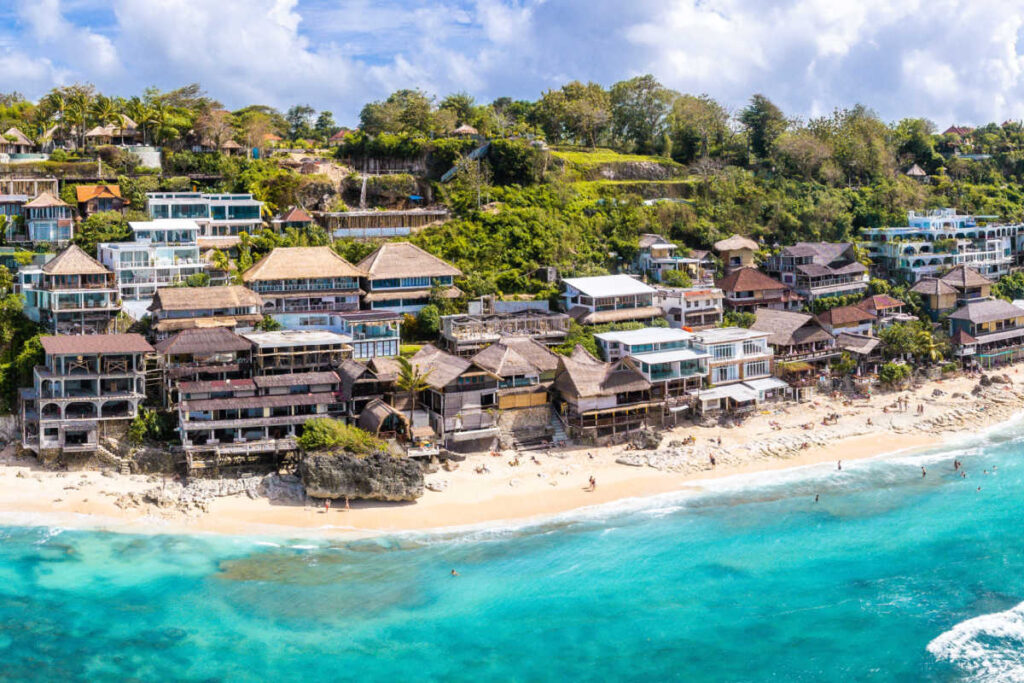
Bingin Beach is making headlines and headlines are being smashed. In July 2025, Bali authorities began demolishing nearly 50 cliffside restaurants, villas, and cafés in Uluwatu after declaring them illegal lacking permits and violating green‑belt zoning laws. The dramatic, emotionally charged scenes point to a bigger shift in Bali’s tourism model: one rooted in legal clarity, community respect, and long‑term sustainability. As lawsuits, protests, and policy plans emerge, this is more than a demolition it’s a cultural inflection point. Dive into how Bingin’s razing underpins Bali’s 100‑year tourism vision, its impact on local livelihoods, and what it means for the island’s future.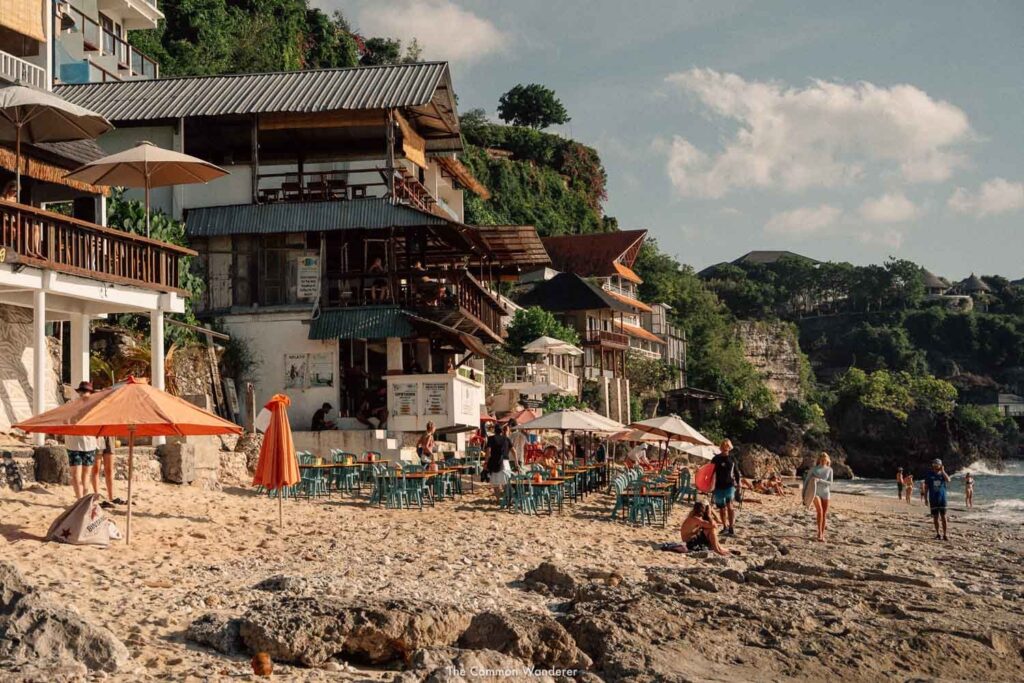
Bali’s famed Bingin Beach in Uluwatu just became the center of a major demolition drama. In July 2025, officials began tearing down more than 40 cliffside villas, cafés, and restaurants all declared illegal for lacking proper permits. This crackdown spotlights broader themes: overtourism, loss of local livelihoods, and a shift toward sustainable development. In this blog post, we explore the full story, hear the human voices behind the headlines, and add a fresh lens how Bali’s blueprint for the next 100 years of tourism intersects with this surfside showdown.
The Bang: Bingin’s Blitz of Demolitions
On July 21, Bali’s Civil Service Police (Satpol PP), flanked by local authorities and media, moved onto Bingin’s cliffs armed with sledgehammers and sheer determination. They tore into tables, doors, even entire structures no heavy machinery required declaring each building illegally constructed and unpermitted.
Governor I Wayan Koster was unambiguous: “The buildings … none of them have permits.” Over 40 sites villas, beachside cafés, and restaurants were targeted under orders tied to zoning and environmental laws.
The Ripple: Human Stories and Local Outcry
The dramatic scenes included devastated business owners, frantic employees, and tearful locals. One Balinese woman’s anguished cry summed it up: “This is how the bureaucrats work. They’ve demolished our livelihoods”. Hundreds of nearby workers including Aussies watched in disbelief.
Managers warned that around 1,000 jobs were at risk. Komang Agus lamented: “One thousand people at Bingin Beach are losing their jobs right now,” while Komang Ayu spoke of uncertainty: “I’m not sure whether they will recruit us” after reconstruction.
Local owners told of generational efforts. I Wayan Salam Oka Suadnyana shared stories of his mother’s kiosk in the 1980s contributing to Bingin’s growth now lost to the bulldozers.
The Context: Bali’s Tourism Boom & Zoning Pressures
Bingin’s transformations mirror a broader Bali boom: in 2025, the island is on track for over 6.3 million international tourists. With investors racing to build on cliff edges, Uluwatu and other hotspots saw uncontrolled development. Now, long-standing master plans like the RTRW (Spatial Plan) and protected green-belt laws are being suddenly enforced.
Even foreign-owned businesses now face scrutiny; several Australian partners were involved in properties being torn down.
A New Angle: 100-Year Vision Meets Cliff-Side Chaos
Beyond demolition, Bali is rolling out a long-term strategic plan: “Vision 100-Year Bali,” backed by Law No. 15/2023. Tourism Minister Widiyanti Putri Wardhana supports tighter regulations, sustainable tourism, and cultural preservation including curbing illegal villas.
Governor Koster appreciated this synergy, noting policies that prioritize “culture-based, quality, and dignified tourism.” In practice, this means stricter zoning enforcement such as the action on Bingin and a future where tourists are expected to respect financial and environmental responsibilities.
So, Bingin’s razing isn’t just punishment it’s a test case, signaling that Bali’s next century of tourism will be genuinely planned, legal, and sustainable.
Conflict Zone: Livelihoods vs. Laws
Local communities pushed back hard:
- Lawsuits: Forty-eight owners have launched legal cases to protect their properties amid claims some structures predate modern zoning .
- Community tension: Protestors fear that once demolished, cliffside land may be snapped up by deep-pocketed developers.
- Government view: Officials insist the land is public, zoned green, and must be restored—emphasizing national law, spatial planning, and environment as justifications.
The Bigger Picture: What the Crackdown Means for Bali
- Zoning Matters – Investors, local or foreign, must secure IMB/PBG building permits, business licenses, and align with spatial maps .
- Tourism Rebalanced – Bali is moving from mass tourism to ‘quality and sustainable tourism,’ with checks, taxes, and environmental accountability.
- Investment Shift – With Bali tightening rules and prices high, investors are eyeing less-regulated places like Sumba or Lombok .
- Community Rights – Legacy businesses are pushing back legally and culturally, signaling that future development must balance tradition with regulation.
In a Nutshell: The Lessons from Bingin
- Bali Means Business – Gone are the days of build now legalize later.
- Compliance = Currency – Proper permits, spatial alignment, and licenses aren’t optional they’re essential.
- Cultural Currency – Tourists are increasingly drawn to sustainable, culturally rich, locally integrated experiences.
- New Frontiers – Islands like Sumba, with legal clarity and room to grow, are gaining traction among investors.
From Cliffside Chaos to Conscious Tourism
Bingin Beach’s demolitions mark a turning point. They’re not just about tearing down illegal villas—they’re about tearing down outdated approaches to growth and building something consciously—rooted in law, culture, sustainability, and community. If Bali can unite legal clarity with compassion for local livelihoods, it might just surf into a responsible, resilient tourism future.