
Analyzing Bali’s Rainy Season: Historical Patterns and Projections for 2025/2026
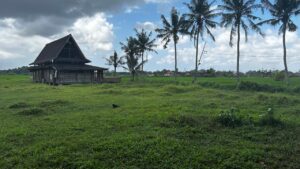
Bali, renowned for its vibrant culture, pristine beaches, and lush tropical scenery, is shaped by its unique weather dynamics. Understanding Bali’s rainy season provides essential insights into its climate, especially for researchers, policymakers, and frequent travelers. This analysis delves into the past 15-20 years of rainfall data to project potential trends for 2025/2026.
Climatic Overview of Bali
Positioned just south of the equator, Bali experiences a tropical monsoon climate, defined by two primary seasons:
- Wet Season (November-March): Characterized by increased rainfall and humidity.
- Dry Season (April-October): Dominated by clear skies and lower humidity levels.
The weather patterns are driven by monsoon wind systems. During the wet season, northeasterly winds carry moisture from Asia, triggering rain, while the dry season is influenced by southeasterly winds originating from Australia.
 Typical Rainy Season Dynamics
 Typical Rainy Season Dynamics
Contrary to the notion of non-stop rain, Bali’s wet season typically features:
- Intense but brief rainfall events, often occurring in the late afternoon or evening.
- Extended periods of sunshine interspersed with showers.
- Enhanced verdant landscapes resulting from increased precipitation.
Rainfall Trends Over the Last Two Decades
An analysis of historical rainfall data from 2005 to 2024 reveals notable trends:
| Year Range | Wet Season Onset | Average Rainfall (mm) | Key Observations |
|---|---|---|---|
| 2005-2010 | Early November | 1800 | Stable seasonal rainfall |
| 2011-2015 | Late November | 1900 | Slightly higher precipitation |
| 2016-2020 | Mid-November | 2000 | Increased frequency of storms |
| 2021-2024 | Variable | 1700 | Periods of reduced rainfall |
Observed Trends in Rainfall Variability
- Rainfall Intensity and Distribution: While annual totals remain within a predictable range, intra-seasonal variability has increased, with some years experiencing prolonged dry spells even during the wet season.
- Delayed Onset: Over the past two decades, the onset of the wet season has gradually shifted later, from early November to mid-to-late November.
Projections for 2025/2026
Based on historical data and climate models, the following predictions emerge for Bali’s rainy season in 2025/2026:
- Onset: Expected to commence in mid-to-late November, though exact timing remains subject to short-term climatic fluctuations.
- Rainfall: Likely to range between 1800-2000 mm, with intense localized showers interspersed with sunny intervals.
- Variability: Anticipate uneven rainfall distribution, with potential for short, intense storms and drier interludes.
Implications for Researchers and Visitors
- Adaptation to Variability:
- Researchers should focus on intra-seasonal variability to predict periods of heightened flood risk or drought.
- Travelers should prepare for diverse conditions, ensuring flexibility in itineraries.
- Planning for Seasonal Characteristics:
- Schedule outdoor activities in the mornings to avoid afternoon rainfall.
- Invest in weather-resistant gear to accommodate unexpected showers.
Wrapping it up….
Bali’s rainy season exemplifies the complexities of tropical monsoon climates. While variability in timing and intensity has increased, the season remains predictable within broad parameters. Understanding these patterns not only enriches academic and practical perspectives but also enhances the experience of those engaging with Bali’s dynamic environment. With these insights, stakeholders can better navigate the opportunities and challenges posed by Bali’s weather in the years to come.
Memahami Musim Hujan di Bali: Pola Sejarah dan Proyeksi untuk 2025/2026
Bali terkenal dengan budaya yang kaya, pantai indah, dan pemandangan tropisnya yang subur. Musim hujan di Bali merupakan bagian integral dari iklimnya yang unik. Analisis ini mengeksplorasi data curah hujan selama 15-20 tahun terakhir untuk memproyeksikan pola yang mungkin terjadi pada 2025/2026.
Musim hujan di Bali biasanya berlangsung dari November hingga Maret, dengan hujan deras namun singkat yang sering terjadi pada sore atau malam hari. Berdasarkan tren historis, musim hujan di masa depan diperkirakan akan dimulai pada pertengahan hingga akhir November, dengan total curah hujan antara 1800-2000 mm. Variabilitas dalam distribusi curah hujan juga diantisipasi, dengan potensi badai lokal yang intens dan periode kering yang lebih singkat.
Pemahaman mendalam tentang pola ini tidak hanya meningkatkan perspektif akademis dan praktis, tetapi juga memperkaya pengalaman bagi mereka yang terlibat dengan lingkungan dinamis Bali.