
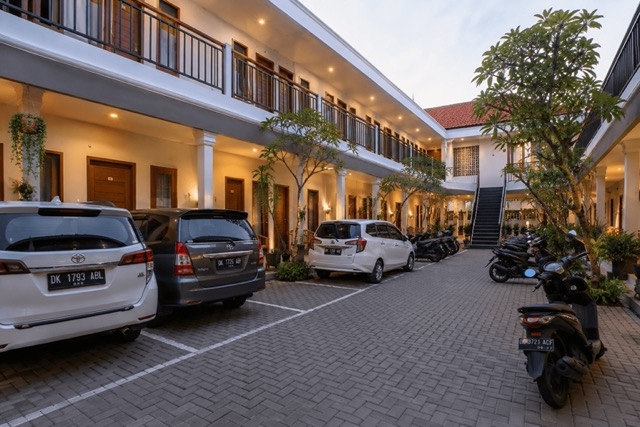
Why More Boarding Houses Are Being Built & More Owners Are Selling
Quick Read TL;DR
Bali’s boarding house (kos-kosan) market is changing—not disappearing.
While more boarding houses are being built and more owners are putting their properties up for sale, this doesn’t necessarily signal a declining market. In many cases, owners are cashing in on rising land values, retiring, or shifting capital into other investments.
Demand for long-term accommodation remains strong, driven by Bali’s growing workforce, expanding economy, and increasing number of remote workers and digital nomads. However, tenant expectations have evolved. Today’s renters want more than just a room—they seek fast internet, security, parking, comfortable living spaces, and modern amenities.
The biggest opportunities are no longer found in simply building more rooms. Success now depends on choosing the right location, understanding the target market, and creating accommodation that meets the needs of modern tenants.
For investors, the key question is no longer whether boarding houses in Bali are still profitable—but rather what type of boarding house will be in demand over the next five to ten years.
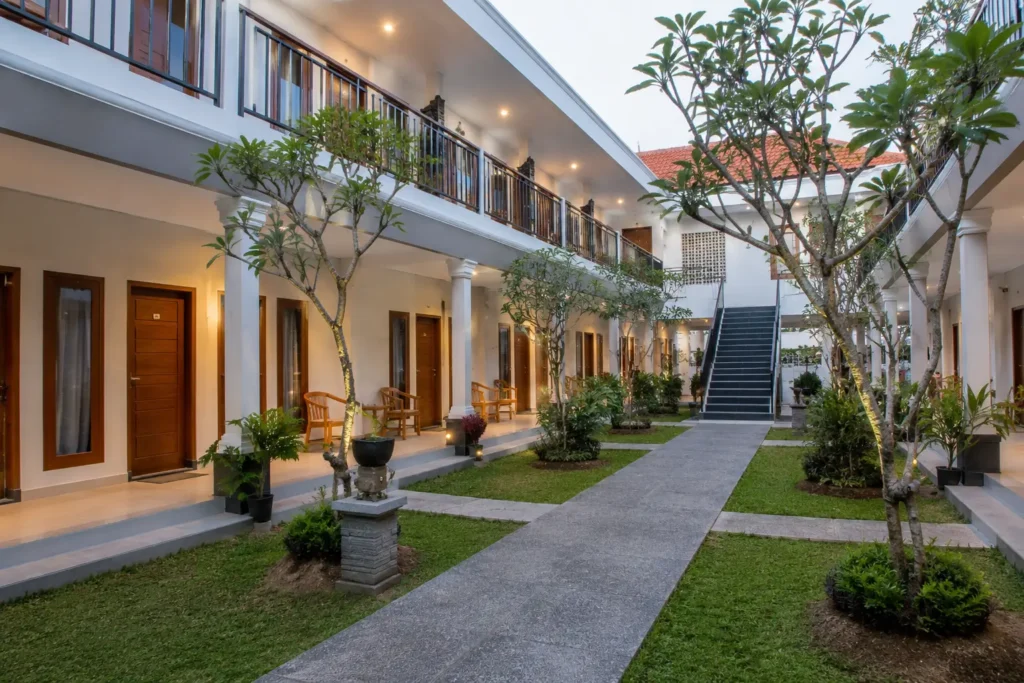
For years, boarding houses, known locally as kos-kosan, have been considered one of the safest and most reliable property investments in Bali.
Unlike villas that depend heavily on tourism seasons and short-term bookings, boarding houses serve a fundamental human need: housing. As long as people continue moving to Bali for work, business, education, or lifestyle reasons, there will always be demand for affordable long-term accommodation.
Yet in 2026, an interesting trend is emerging across the island.
New boarding houses seem to be appearing everywhere.
At the same time, property portals, social media groups, and real estate agents are listing an increasing number of boarding houses for sale.
Some investors see this as a warning sign.
Others see it as a buying opportunity.
So what is really happening?
Is Bali’s boarding house market becoming saturated, or is it simply evolving?
The answer lies somewhere in between.
Why Boarding Houses Became So Popular in Bali
The growth of Bali’s boarding house sector didn’t happen by accident.
It was driven by a combination of economic growth, population movement, and increasing land values.
Every year, thousands of people relocate to Bali.
Some come to work in hotels, restaurants, villas, hospitals, schools, construction projects, and retail businesses.
Others arrive to launch startups, work remotely, or pursue entrepreneurial opportunities.
Most of these newcomers are not immediately looking to buy property.
Instead, they need affordable accommodation.
This demand created one of Bali’s most resilient property sectors.
For many investors, boarding houses offer several attractive advantages:
- Consistent monthly income
- Lower vacancy risk compared to some commercial properties
- Easier financing and development costs
- Long-term capital appreciation from rising land values
- Less dependence on international tourism fluctuations
For years, these factors made boarding houses one of Bali’s most attractive investment options.
However, the market today is no longer the same as it was ten years ago.
Why Are So Many Boarding Houses Being Sold?
One of the biggest misconceptions is that increasing numbers of boarding houses for sale automatically indicate a weak market.
In reality, there are several reasons behind this trend.
Land Prices Have Increased Dramatically
Many boarding houses currently on the market were built years ago when land prices were significantly lower.
In areas such as Canggu, Kerobokan, Dalung, Jimbaran, and Ungasan, land values have multiplied several times over.
For some owners, selling the property now allows them to realize substantial capital gains.
Their decision often has little to do with the operational performance of the boarding house itself.
Lifestyle and Retirement Decisions
Some property owners simply want to reduce management responsibilities.
Managing tenants, maintenance, utilities, repairs, and administration can become time-consuming.
As owners age or pursue different business interests, selling becomes an attractive option.
Investors Are Moving Into Other Property Segments
Some investors are shifting capital toward:
- Villas
- Boutique hotels
- Commercial spaces
- Land banking opportunities
- Property developments
Rather than indicating weakness, many sales reflect portfolio reallocation.
Increased Competition
This is perhaps the most important factor.
As more investors enter the boarding house sector, competition naturally increases.
Older properties that have not been renovated or upgraded often struggle to compete with newer developments offering modern amenities.
Is Bali Facing a Boarding House Oversupply?
The answer depends entirely on location.
One mistake many investors make is treating Bali as a single market.
In reality, Bali consists of dozens of micro-markets, each with unique supply and demand characteristics.
Conditions in Canggu differ significantly from Denpasar.
Jimbaran differs from Tabanan.
Ubud differs from Singaraja.
Some locations are becoming highly competitive, while others still face housing shortages.
This means successful investors no longer focus solely on Bali as a whole.
Instead, they focus on identifying specific areas where future demand is likely to exceed supply.
Understanding local demographics, infrastructure development, employment centers, and transportation access has become more important than ever.
Boarding Houses Are No Longer Just Places to Sleep
Perhaps the biggest shift in the market is changing tenant expectations.
Ten years ago, most tenants were looking for a simple room at an affordable price.
Today, expectations are very different.
Modern tenants increasingly prioritize:
- Fast internet
- Private bathrooms
- Security systems
- Comfortable communal spaces
- Laundry facilities
- Parking areas
- Workspaces
- Modern design
- Air conditioning
- Convenience and accessibility
In other words, boarding houses are evolving beyond simple accommodation.
They are becoming lifestyle products.
Investors who continue building according to outdated models may find themselves struggling to attract quality tenants.
Meanwhile, investors who understand modern housing preferences can often charge premium rental rates.
The Rise of Digital Nomads and Remote Workers
One of the most significant developments in Bali’s property market has been the rise of remote work.
Bali has become one of the world’s most recognized destinations for digital nomads.
Thousands of professionals now choose to live in Bali for periods ranging from several months to several years.
These residents occupy an interesting market segment.
They often do not want expensive luxury villas.
However, they also seek more than traditional boarding houses.
They typically look for:
- Studio-style accommodation
- High-speed internet
- Comfortable working environments
- Community interaction
- Flexible lease arrangements
- Modern facilities
This creates a unique opportunity for investors willing to bridge the gap between traditional boarding houses and serviced apartments.
In many cases, this segment can generate higher returns than conventional boarding house models.
Local Workers Still Represent the Largest Market
While digital nomads attract attention, local workers remain the backbone of the boarding house industry.
The hospitality sector alone employs hundreds of thousands of workers across Bali.
Hotels need staff.
Restaurants need cooks and servers.
Villas need housekeepers and maintenance personnel.
Construction projects require labor.
Hospitals, schools, and offices all need employees.
Every one of these workers requires accommodation.
This means affordable, strategically located boarding houses continue to serve a large and essential market.
As Bali’s economy grows, this demand is likely to remain strong.
Buy an Existing Boarding House or Build a New One?
This is one of the most common questions investors ask.
Both approaches have advantages.
Buying an Existing Boarding House
Advantages:
- Immediate rental income
- Existing tenant base
- Operational history available
- Lower development risk
Disadvantages:
- Higher acquisition costs
- Possible renovation requirements
- Older layouts may not match current market preferences
Building a New Boarding House
Advantages:
- Complete design flexibility
- Modern construction standards
- Better space efficiency
- Ability to target specific market segments
Disadvantages:
- Development risk
- Construction delays
- Longer time before generating income
There is no universal answer.
The best option depends on location, market demand, acquisition costs, and investor objectives.
The Biggest Mistakes Boarding House Investors Make
Many investors focus primarily on the number of rooms.
This can be misleading.
A 10-room property in a prime location can outperform a 30-room property in the wrong area.
Common mistakes include:
- Choosing land without proper market research
- Ignoring parking requirements
- Poor internet infrastructure
- Inadequate maintenance planning
- Outdated building design
- Underestimating operating expenses
- Failing to understand target tenants
Success is rarely determined by room count alone.
Instead, it depends on creating a product that genuinely matches market demand.
Emerging Areas Worth Watching
Many investors focus exclusively on established hotspots.
However, future opportunities often emerge before an area becomes fashionable.
Several locations continue attracting attention due to population growth, infrastructure improvements, and business expansion.
These include:
- Denpasar
- Dalung
- Kerobokan
- Jimbaran
- Ungasan
- Mengwi
- Tabanan growth corridors
- Singaraja
- Areas near major infrastructure projects
The goal is not necessarily to buy where demand is highest today.
The goal is to identify where demand is likely to be highest five years from now.
The Future of Bali’s Boarding House Market
Looking ahead, long-term housing demand in Bali appears likely to remain strong.
Several factors support this outlook:
- Population growth
- Economic expansion
- Continued tourism activity
- Infrastructure development
- Migration from other regions
- Growth of remote work
However, the nature of boarding house investments will continue to evolve.
Future winners are unlikely to be those with the most rooms.
Instead, they will be those who best understand changing tenant expectations.
Emerging trends include:
- Smart home technology
- Energy-efficient buildings
- Community-focused living
- Hybrid work environments
- Enhanced security systems
- Flexible rental arrangements
Investors who embrace these trends may find themselves positioned well for long-term success.
The Hidden Opportunity Behind More Boarding Houses for Sale
Ironically, the growing number of boarding houses being listed for sale may actually create opportunities.
Not every owner is selling because of poor performance.
Many are exiting due to personal circumstances, retirement plans, or shifting investment strategies.
This means buyers may occasionally find well-performing properties with established cash flow and strong locations.
For investors willing to conduct proper due diligence, today’s market may offer opportunities that were unavailable during previous property booms.
The key is understanding the difference between a distressed asset and a motivated seller.
The increasing number of boarding houses being built and sold throughout Bali does not necessarily indicate a declining market.
Rather, it reflects a market undergoing transformation.
The days when any boarding house could easily achieve high occupancy rates are gradually fading.
Today’s market rewards quality, strategy, location, and understanding of tenant needs.
For investors who adapt to these changes, significant opportunities remain.
The real question is no longer whether boarding houses are still profitable in Bali.
The better question is:
What type of boarding house will Bali’s tenants want five years from now?
Those who answer that question correctly may enjoy both strong rental income and substantial capital appreciation in the years ahead.
BaliWide
Turning Opportunity Into Reality.