

Australia’s Housing Ban: Why Foreign Buyers Are Turning to Bali Instead
The Australian government has announced a two-year ban on foreign investors purchasing existing homes, aiming to ease the country’s housing crisis. While this move is meant to help local buyers, it’s leaving many international investors searching for alternatives. Enter Bali—a destination that has long been on the radar of foreign property seekers. With its lower cost of living, strong rental yields, and welcoming real estate market, Bali is quickly emerging as the better option for those looking to invest in overseas property.
What’s Behind Australia’s Foreign Buyer Ban?
The housing affordability crisis has been a hot-button issue in Australia for years, with rising property prices locking out many local buyers. In response, the government has implemented a two-year ban on foreign investors buying existing homes, running from April 1, 2025, to March 31, 2027. Officials estimate this will free up around 1,800 properties per year for Australians, but will it be enough to make a real impact?
Treasurer Jim Chalmers and Housing Minister Clare O’Neil stated that this policy is part of a broader effort to tackle housing affordability. Alongside this ban, the government has introduced tax incentives for developers and a shared equity scheme to help first-time buyers get into the market. However, critics argue that restricting foreign ownership will have minimal impact on overall supply and could deter international investment.
 Why Foreign Buyers Are Looking Elsewhere
 Why Foreign Buyers Are Looking Elsewhere
For foreign investors, Australia’s housing market has long been an attractive prospect, with strong capital growth and a stable economy. But with these new restrictions, many are setting their sights on more welcoming destinations.
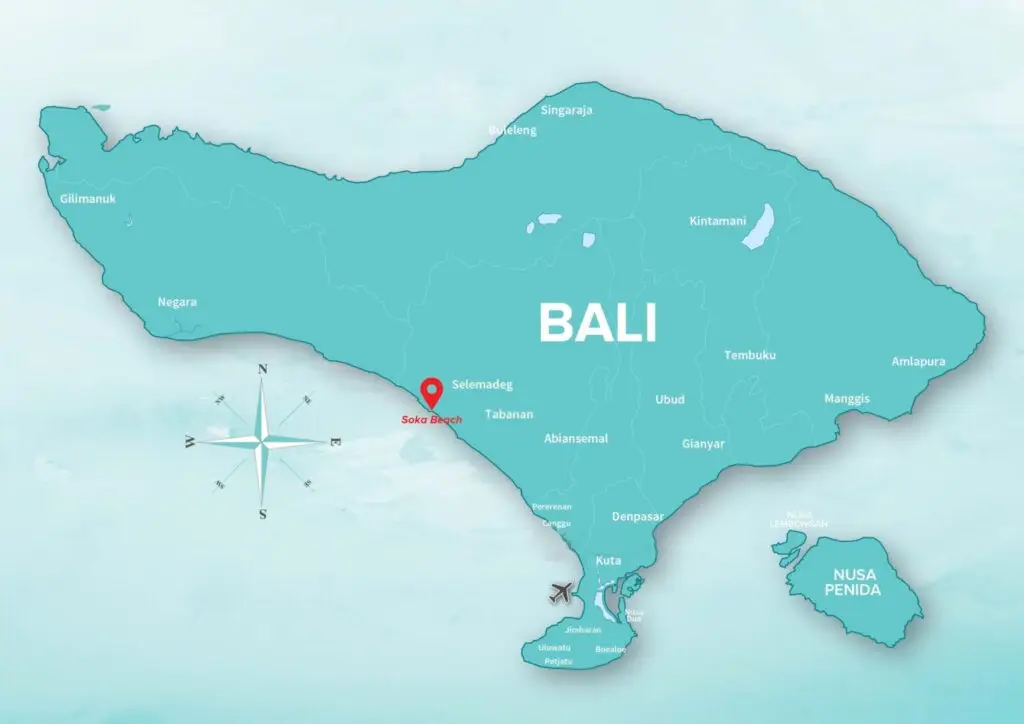
Bali, in particular, is benefiting from this shift. Here’s why:
- Lower Property Prices – Compared to Australia’s sky-high property costs, Bali offers luxurious villas and beachfront homes at a fraction of the price.
- High Rental Yields – Bali’s booming tourism industry ensures strong demand for short-term rentals, making it an attractive investment opportunity.
- Lenient Foreign Ownership Rules – While foreigners can’t directly own freehold land in Indonesia, leasehold and right-of-use structures provide accessible options for property buyers.
- Growing Infrastructure & Economy – With continued investment in roads, airports, and digital connectivity, Bali is becoming an even more attractive place to live and invest.
Bali vs. Australia: A Property Market Comparison
| Factor | Australia (Sydney, Melbourne) | Bali (Canggu, Ubud, Seminyak) |
|---|---|---|
| Average Home Price | $1M+ AUD | $200K-$500K AUD |
| Rental Yield | 2-4% | 8-12% |
| Foreign Ownership | Restricted | Leasehold & Right-of-Use Options |
| Cost of Living | High | Low |
| Market Growth | Slow & Expensive | Rapid & Affordable |
Is Bali the Right Investment for You?
With Australia tightening its real estate market for foreigners, Bali presents an enticing alternative—but is it the right choice for every investor? Here are a few factors to consider:
Pros of Buying Property in Bali
✔ Affordable entry prices compared to Australia
✔ High demand for vacation rentals
✔ Favorable long-term investment potential
✔ Strong expat and digital nomad community
Challenges to Be Aware Of
⚠️ Legal complexities around foreign ownership
⚠️ Navigating local regulations and leasehold agreements
⚠️ Market fluctuations tied to tourism trends
What To Consider…
Australia’s foreign buyer ban pushes investors to look elsewhere, and Bali stands out as a prime alternative. With lower property costs, higher rental yields, and a lifestyle that blends affordability with luxury, it’s no surprise that more investors are setting their sights on Indonesia. If you’ve been considering overseas property investment, now might be the perfect time to explore Bali as an alternative to Australia’s tightening market.