
Bali’s Tourism Boom: Balancing Growth with Sustainability
Quick Read TL;DR
Bali’s tourism industry has rebounded impressively, with international arrivals surpassing pre-pandemic levels. This growth has led to a surge in hotel developments focusing on sustainability and cultural preservation. However, the rapid expansion raises concerns about environmental impact and overdevelopment. Measures such as stricter regulations, infrastructure improvements, and community involvement are being implemented to ensure sustainable growth
Bali has experienced a significant resurgence in tourism, with international arrivals surpassing pre-pandemic levels. This surge has led to a notable expansion in hotel developments, emphasising sustainable practices and cultural preservation. However, the rapid growth has also raised concerns about environmental impact and overdevelopment. This article explores the dynamics of Bali’s tourism resurgence, the challenges it presents, and the measures being taken to ensure sustainable growth.
The Resurgence of Bali’s Tourism Industry
In 2024, Bali welcomed over 6.33 million international tourists, exceeding the pre-pandemic figure of 6.27 million in 2019. Including domestic visitors, total arrivals reached 16.45 million, marking a significant increase from the previous year. This growth has revitalized the island’s economy, with tourism and hospitality sectors contributing to more than 65% of Bali’s GDP.
The Indonesian government and provincial authorities implemented recovery initiatives post-pandemic, offering grants and incentives worth up to 3.7 trillion rupiah (approximately $370 million) and tax relief measures for tourism-related businesses. These efforts have not only stabilized businesses but also attracted digital nomads drawn to Bali’s relaxed lifestyle and affordable living.
Hotel Expansion and Sustainable Development
The tourism boom has spurred a surge in hotel development across Bali. Notable upcoming projects include:
- Regent Bali Canggu: A 150-room luxury resort set to open in 2025.
- Anantara Dragon Seseh Bali Resort: Featuring 216 rooms, this resort emphasizes eco-friendly design.
- Mandarin Oriental Bali: A 110-room resort scheduled to open in 2027, focusing on sustainability and cultural integration.
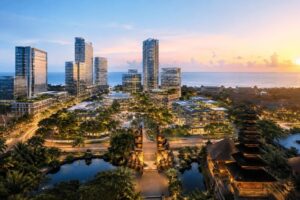
A standout example of sustainable development is the Nuanu Creative City, which integrates spaces for education, art, wellness, and nature. With 70% of its land reserved as green space and over 80% of its solid waste being recycled, Nuanu is projected to draw 3 million visitors by 2025.
Addressing Overdevelopment and Environmental Concerns
The rapid expansion of tourism infrastructure has raised concerns about overdevelopment and environmental degradation. In response, the Indonesian government proposed a moratorium on new hotel, villa, and nightclub constructions in certain areas of Bali. However, in January 2025, Bali’s Governor Wayan Koster decided against the moratorium, opting instead for stricter regulations to manage tourism growth.
Plans are underway to alleviate congestion in southern Bali, including the construction of a second international airport in the north and a new toll road connecting the island’s north and south. These infrastructure developments aim to distribute tourist traffic more evenly and reduce pressure on overburdened areas.
Community Involvement and Cultural Preservation
Local communities have expressed concerns about the impact of mass tourism on Bali’s culture and environment. Initiatives like the introduction of a tourism tax of 150,000 rupiah ($9) for foreign tourists aim to fund cultural preservation and environmental protection efforts. Additionally, the Bali Hotels Association is working with stakeholders to implement policies that ensure a balanced approach to economic and environmental growth.
Final Thoughts
Bali’s tourism industry is experiencing a remarkable resurgence, bringing economic benefits and opportunities for sustainable development. However, it also presents challenges that require careful management to preserve the island’s unique culture and environment. Through collaborative efforts between the government, businesses, and local communities, Bali aims to achieve a sustainable balance that supports both growth and preservation.