
Why North-East Bali is a Great Place to Invest in Bali Right Now (2025)
Introduction: A New Dawn for Bali Investment
When people think of Bali real estate, places like Canggu, Seminyak, or Uluwatu come to mind—crowded, overpriced, and overdeveloped. But savvy investors are looking elsewhere—specifically, North-East Bali. Stretching from Amed to Tulamben, Tejakula, and even Kintamani’s highlands, this area is becoming the new frontier for smart property investment. With tranquil coastlines, lush mountain backdrops, and untouched village life, North-East Bali offers what many buyers truly seek: authenticity, beauty, and long-term value.
1. Untapped Potential: The Last Hidden Gem in Bali
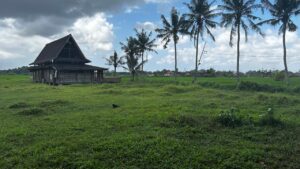
While south and central Bali have reached saturation, North-East Bali remains relatively undiscovered—yet it is exactly this underexposure that makes it so appealing.
- Land Prices: Compared to Canggu or Ubud, land in Amed, Tejakula, and Bondalem is still 70-80% cheaper.
- Zoning Opportunities: There’s ample land in the tourism and residential zones, ideal for villas, eco-resorts, or boutique developments.
- Foreign Buyer Appeal: The area is gaining attention for long-term leases and freehold opportunities under local nominee structures or PT PMAs.
A smart investor goes where the growth is just beginning—not where it’s peaking.
2. Stunning Nature and Quiet Luxury
North-East Bali boasts natural beauty that rivals any destination on the island.
- Amed & Tulamben: Known for world-class diving and coral reefs. Perfect for marine-based tourism investment.
- Tejakula & Bondalem: Peaceful beachfronts ideal for wellness resorts and yoga retreats.
- Kintamani: Cool mountain climate, perfect for eco-retreats and agri-tourism projects.
The setting here is raw, real, and serene—exactly what today’s travelers and digital nomads are looking for.
3. Infrastructure Development and Local Support
While the region has long been seen as remote, that perception is changing fast.
- New Roads & Access Routes: Improved road networks are connecting North-East Bali more efficiently with Denpasar and the airport.
- Telecom & Internet: Fiber optic internet is now accessible in many areas, allowing remote work and tech-savvy tourism to flourish.
- Government Plans: Bali’s provincial government is encouraging development in less crowded areas to decentralize tourism.
All signs point to a future-proof investment landscape.
4. Lower Entry Costs, Higher ROI Potential
North-East Bali offers better value-for-money than Bali’s southern hotspots:
| Region | Avg Land Lease Price (per Are/year) | ROI Potential (Annual Rental Income) |
|---|---|---|
| Amed | IDR 4-6 million | 10–14% |
| Tejakula | IDR 3.5–5 million | 12–15% |
| Tulamben | IDR 3–5 million | 10–13% |
This affordability allows small investors, retirees, and lifestyle buyers to enter the market with minimal risk and high upside.
5. The Rise of Eco-Tourism & Wellness Travel
Eco-conscious travelers are seeking sustainable escapes, and North-East Bali fits perfectly.
- Wellness-Friendly Climate: Cool evenings, clean air, and tranquil settings are ideal for yoga, meditation, and healing retreats.
- Eco Resort Growth: Boutique eco-resorts and off-grid stays are gaining popularity on platforms like Airbnb and Booking.com.
- Cultural Authenticity: Guests get a deeper connection with real Balinese life, not just commercial tourism.
If you’re planning a wellness-focused or eco-conscious project, there’s no better place to launch.
6. Community-Driven Development
Investment in North-East Bali often comes with a sense of purpose and community.
- Village Cooperation (Banjar): Strong local governance ensures respectful development.
- Employment & Empowerment: New projects bring jobs and sustainable incomes to local families.
- Sustainable Partnerships: Investors working with locals experience less friction and stronger long-term relationships.
This ethical model not only feels better—it often performs better too.
7. Peace of Mind in a Post-COVID World
Buyers are more cautious since the pandemic—but that’s exactly why North-East Bali makes sense now:
- Low Population Density: Less crowding, more space, and healthier living.
- Safe from Overdevelopment: Unlike the south, regulations in North-East Bali are more controlled, preventing overbuilding.
- Remote-Ready: The area is becoming a magnet for digital nomads and long-stay travelers seeking peace, fiber internet, and ocean views.
8. Who’s Already Investing? (Case Studies)
- Eco Resort in Tejakula: A 5-room beachfront resort with solar power and permaculture gardens earns over 12% net ROI yearly.
- Amed Dive Villas: Boutique villas near the coast rent year-round to diving tourists, especially Europeans and Japanese travelers.
- Retreat Center in Kintamani: Offering mountain views, wellness retreats, and weekend workshops with high seasonal bookings.
These are not just concepts—they’re working business models already in place.
9. Key Areas to Watch in 2025
| Area | Highlights |
|---|---|
| Amed | Diving, snorkel tourism, cliffside land |
| Tulamben | WWII wreck dive site, boutique hotels |
| Tejakula | Beachfront land, retreat centers, local markets |
| Kintamani | Volcano views, cooler climate, agritourism |
| Bondalem | Peaceful beaches, family resorts, local charm |
Land in these regions is still available— but interest is rising quickly.
10. Final Thoughts: The Time to Act Is Now
Smart real estate is about timing, vision, and value—and North-East Bali offers all three. While much of Bali is struggling with overdevelopment, traffic, and inflated prices, this region remains the perfect balance of beauty, opportunity, and tranquility.
If you’re looking to create something meaningful—and profitable—in Bali, don’t follow the crowds. Lead the way.
North-East Bali is not the next big thing. It’s already happening.