Bali’s Mangroves: The Silent Shield We’re Starting to Lose
Mangroves are more than just coastal forests, they are Bali’s natural defense against coastal erosion, flooding, and environmental degradation. As development accelerates and green spaces continue to shrink, these vital ecosystems are under threat. This article explores why mangroves matter, what happens if they disappear, and why protecting them is essential not only for nature, but also for the future of Bali’s property market and long-term sustainability.
Bali’s Mangroves: The Silent Shield We’re Starting to Lose
Bali has always been known as a paradise.
White sand beaches, rich culture, and breathtaking landscapes have made it one of the most desirable destinations in the world. But if we take a closer look today, something is quietly changing.
Some beaches are getting narrower.
Sea levels feel closer than before.
In certain areas, tidal flooding is becoming more common.
Behind all of this, there is one silent protector that often goes unnoticed: mangroves.
What Are Mangroves, and Why Should We Care?
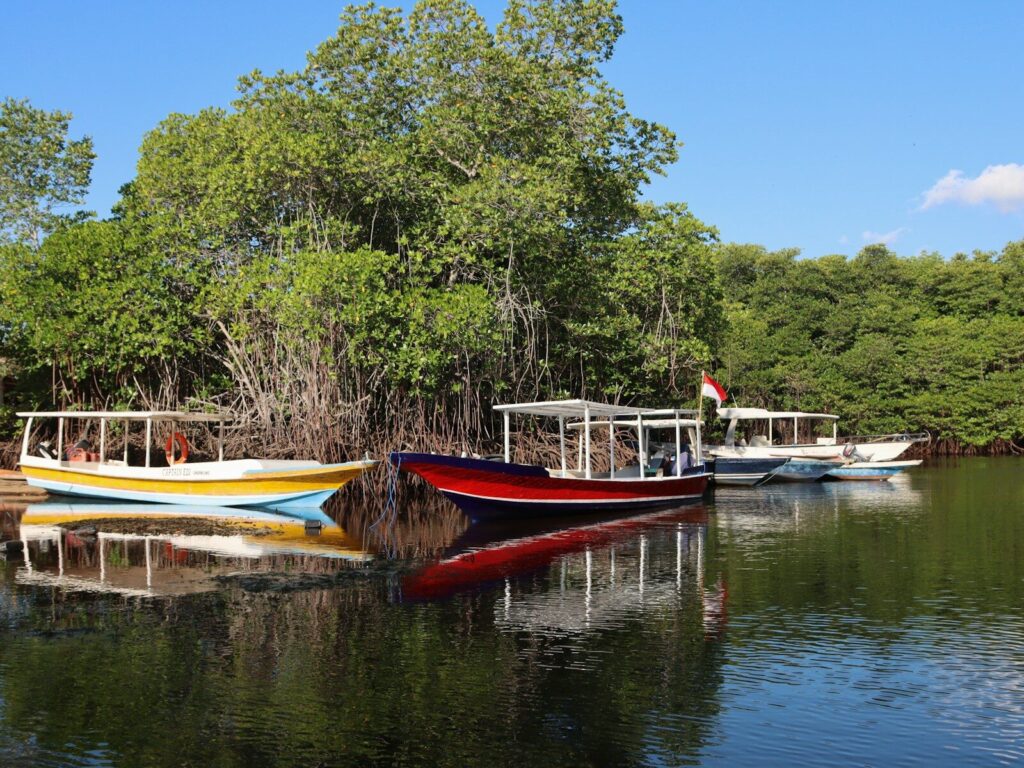
Mangroves are coastal forests that grow in tidal zones where land meets the sea. Their roots rise above the ground in complex, intertwined systems that may look chaotic, but are incredibly powerful.
They may not appear as visually appealing as open beaches, but they serve a far more critical purpose.
Mangroves are not just trees.
They are a natural defense system.
Think of Bali without mangroves as a house without a fence, completely exposed and vulnerable.
How Mangroves Prevent Coastal Erosion
Coastal erosion is the gradual loss of land caused by waves and currents. In many parts of Bali, this is no longer a distant threat, it’s already happening.
Mangroves act as natural wave barriers.
Their root systems:
- Absorb wave energy
- Slow down water movement
- Trap sediment like sand and soil
The result?
Shorelines remain stable and protected.
Without mangroves:
- Waves hit the land directly
- Soil erodes faster
- Coastlines retreat year by year
This isn’t just theory, it’s a visible reality in several coastal areas of Bali today.
Mangroves and Flood Protection
Beyond erosion, mangroves play a major role in reducing flood risks.
Here’s how:
Water Absorption
Mangroves can retain excess water during high tides and heavy rainfall.
Slowing Water Flow
They reduce the speed of water entering inland areas.
Reducing Tidal Flooding (Rob)
They act as a buffer, preventing seawater from easily reaching residential zones.
In Bali, where development is increasingly concentrated near coastal zones, this function is becoming more important than ever.
Without mangroves, water has no natural barrier.
Bali Today: Shrinking Green Spaces
Let’s be honest, Bali is developing fast.
Villas, resorts, beach clubs, and commercial properties are expanding rapidly. While this growth supports the economy, it also comes with a cost.
Green spaces are shrinking.
And unfortunately, mangrove areas are among the most affected.
Some have been:
- Converted for development
- Gradually degraded
- Left unprotected
The challenge is that the impact of losing mangroves isn’t always immediate. But once it becomes visible, it’s often too late.
What Happens If Mangroves Disappear?
If mangrove ecosystems continue to decline, Bali could face serious consequences:
Increased Coastal Erosion
Shorelines will continue to retreat, putting beachfront properties at risk.
More Frequent Flooding
Especially in low-lying and coastal areas.
Damage to Marine Ecosystems
Mangroves are breeding grounds for fish and marine life.
Without them:
- Fish populations decline
- Local fisheries suffer
- Ecosystems become imbalanced
Reduced Tourism Appeal
Bali’s global reputation relies heavily on its natural beauty.
Damaged coastlines and frequent flooding could impact its long-term attractiveness.
A New Perspective: Mangroves and Property Investment
This is an angle that is often overlooked.
Most investors focus on:
- Proximity to the beach
- Ocean views
- Accessibility
But few consider:
environmental sustainability and protection.
Properties located in areas without natural protection like mangroves are:
- More vulnerable to environmental damage
- Potentially lower in long-term value
- More costly to maintain
On the other hand, areas with healthy ecosystems tend to be:
- More stable
- More appealing to eco-conscious travelers
- More resilient over time
Mangroves are not just about nature.
They are about long-term investment security.
Why Are Mangroves Often Ignored?
There are a few simple reasons:
They’re Not “Visually Marketable”
Open beaches are easier to sell than dense mangrove forests.
Lack of Awareness
Many people simply don’t understand their importance.
Development Pressure
Short-term economic gains often take priority.
Yet, when viewed from a long-term perspective, mangroves offer far greater value.
Preserving Mangroves: What Can Be Done?
Protecting mangroves is not only the responsibility of the government,it requires collective action.
Restoration Efforts
Replanting mangroves in degraded areas.
Public Awareness
Educating communities and visitors.
Eco-Tourism Development
Turning mangrove areas into sustainable tourism destinations.
Stronger Regulations
Protecting mangrove zones from overdevelopment.
Collaboration with Investors
Encouraging sustainable development practices.
Mangroves as an Asset, Not an Obstacle
Mangroves are often seen as a barrier to development.
But what if we looked at them differently?
Mangroves can be a unique selling point.
Imagine:
- Villas overlooking lush mangrove forests
- Eco-resorts integrated with nature
- Walking trails through preserved coastal ecosystems
This is not just environmentally responsible, it’s highly marketable.
Global trends are shifting toward:
eco-living and sustainable investment.
Bali is perfectly positioned to lead this movement.
The Role of the Younger Generation
There is hope.
Younger generations are increasingly aware of:
- Environmental issues
- Sustainability
- Long-term impact
If awareness continues to grow, the future of Bali’s mangroves can still be protected.
There Is Still Time – But Not Much
Mangroves are Bali’s natural shield.
Without them:
- Coastlines will continue to erode
- Flooding will become more frequent
- Ecosystems will degrade
And eventually, the impact will affect everyone, from local communities to global investors.
Bali is not just about today.
It’s about the future.
And protecting mangroves is one of the most important steps we can take to ensure that future still exists.