
Bali’s Booming Real Estate: A Paradise Found, But Can Other Indonesian Markets Catch Up?
Bali’s allure as a culture-rich island paradise is undeniable, and its rental market is reaping the rewards. While other regions in Indonesia struggle to keep pace, Bali’s unique blend of natural beauty, vibrant culture, and relatively affordable living has created a perfect storm for real estate success. This article delves into the factors driving Bali’s boom, examines the challenges it faces, and explores the potential for other Indonesian markets to follow suit. We’ll also uncover a new perspective on Bali’s success: the rise of “lifestyle migration” and its impact on the island’s property market.
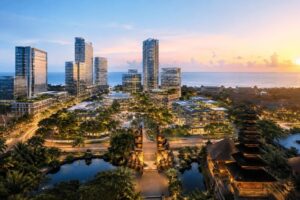
Bali’s real estate market is experiencing a surge, fueled by a record-breaking influx of tourists and a growing wave of “lifestyle migrants”—individuals seeking a better quality of life. While Jakarta and other major Indonesian cities have seen sluggish growth, Bali has emerged as a real estate hotspot, attracting both investors and those seeking a tropical haven. This surge is driven by several factors, including Bali’s stunning landscapes, a lower cost of living compared to many Western countries, and a thriving digital nomad community. But can this success story be replicated elsewhere in Indonesia, or is Bali a unique case?
The Allure of Bali: More Than Just a Pretty Picture
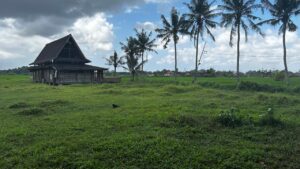
Bali’s popularity extends beyond its picturesque beaches and lush rice paddies. It’s a feeling, a lifestyle, a promise of freedom and well-being. This “Bali vibe” is a powerful draw for expats, digital nomads, and retirees seeking a change of pace. The island’s relatively affordable cost of living, especially compared to major Western cities, is a significant factor. For those tired of sky-high rents and the daily grind, Bali offers a chance to live comfortably, pursue their passions, and enjoy a relaxed pace of life. This is the core of “lifestyle migration”—people choosing to relocate not just for economic reasons, but for a fundamental improvement in their quality of life.
This influx of new residents has created a positive feedback loop. As more people arrive, the demand for housing increases, driving up property values and stimulating development. The growing expat community has also fueled the growth of local businesses, from trendy cafes and co-working spaces to wellness retreats and boutique shops. This economic activity further enhances Bali’s appeal, attracting even more people to the island.
The Contrasting Fortunes of Other Indonesian Markets
While Bali basks in the glow of its real estate boom, other Indonesian markets, particularly Jakarta and Surabaya, face different challenges. Jakarta’s apartment market has struggled with oversupply and lukewarm demand, leading developers to shift their focus to landed housing. Surabaya has also experienced a slowdown, with construction delays and a lack of new launches.
Several factors contribute to this disparity. Jakarta, as the nation’s capital, is primarily a business and administrative hub. While it offers job opportunities and urban amenities, it lacks the unique lifestyle appeal that attracts people to Bali. The same can be said for Surabaya, a major industrial and trading city. These cities cater to a different demographic, one driven more by career prospects than lifestyle considerations.
Challenges and Considerations for Bali’s Sustainable Growth
Bali’s rapid growth presents its own set of challenges. Traffic congestion, particularly in popular areas like Canggu, is a growing concern. The island’s infrastructure, designed for a smaller population, is struggling to keep up with the influx of new residents and tourists. Water resources and waste management are also under pressure, requiring sustainable solutions.
Another concern is the rising cost of living. As property prices soar, locals may find it increasingly difficult to afford housing. The influx of foreign buyers also raises questions about land ownership and potential displacement of local communities. Finding a balance between attracting foreign investment and preserving affordability for locals is crucial for Bali’s long-term sustainability.
The rise of “rogue operators” and influencers promoting leasehold properties as freehold to foreigners is another worrying trend. This practice, while potentially lucrative in the short term, can lead to legal issues and damage Bali’s reputation as a desirable investment destination. Transparency and ethical practices are essential for maintaining trust and ensuring a healthy real estate market.
Can Other Indonesian Markets Replicate Bali’s Success?
While Bali’s unique combination of factors makes it difficult to replicate its success entirely, other Indonesian markets can learn from its example. Focusing on developing unique selling points, catering to specific demographics, and prioritising sustainable development are key strategies.
Regions like Lombok and the Gili Islands, with their natural beauty and slower pace of life, have the potential to attract “lifestyle migrants” seeking alternatives to Bali’s bustling scene. Improving infrastructure, promoting sustainable tourism, and creating a welcoming environment for expats and digital nomads can help these regions tap into the growing demand for lifestyle destinations.
The Future of Indonesian Real Estate
The Indonesian real estate market is dynamic and evolving. While Bali continues to shine, other regions are beginning to emerge. The rise of “lifestyle migration” is a significant trend, and developers and policymakers need to adapt to this changing landscape. By focusing on sustainable development, ethical practices, and catering to the diverse needs of buyers and renters, Indonesia can unlock the full potential of its real estate market.
Final Thoughts
Bali’s success story is a testament to the power of lifestyle and the growing desire for a better quality of life. While the island faces challenges, its future remains bright. By addressing these challenges and promoting sustainable growth, Bali can continue to be a beacon of paradise for those seeking a tropical haven. Other Indonesian markets can learn from Bali’s experience and carve their own niche in the real estate landscape. The key is to understand the changing needs of buyers and renters and create communities that offer not just housing, but a true sense of belonging and well-being.