

A Complete Guide to BPN Procedures, Pitfalls, and Smart Investor Strategies
Securing a legal land certificate through Indonesia’s National Land Agency (BPN) is one of the most important steps in any property transaction. Whether you’re a local buyer, foreign investor, or developer in Bali, understanding how land certificates are processed, what documents are required, how long it takes, and the risks involved can save you time, money, and headaches. This guide breaks down the full process – start to finish – in a friendly, easy-to-follow format, along with insider tips that help you avoid common problems and protect your investment.
When it comes to buying property or land in Indonesia – especially in a high-demand region like Bali – understanding how the land certification process works at the National Land Agency (BPN) is absolutely essential. A beautifully located plot or a perfect villa opportunity means nothing if the legality is shaky. And the truth is, Indonesia’s land system can be both robust and confusing at the same time.
For new investors, the process often looks intimidating. For seasoned developers, it’s a routine – but still one requiring careful attention. And for foreign investors, it’s an entirely different world of documents, regulations, and local interpretations.
This article breaks down the land certificate process (“pengurusan sertifikat tanah”) at BPN in a clear, friendly, and actionable way. You’ll learn:
- The different types of land certificates and what they mean
- Step-by-step BPN procedures
- Expected timelines and costs
- How to deal with delays
- How to check land legality before buying
- Additional angles:
Digitalization of BPN services (ATR/BPN Go-Digital)
Common scams, disputes, and how to avoid them
Why Bali has special considerations compared to other regions
Let’s dive in.
Why BPN Certification Matters More Than Ever – Especially in Bali
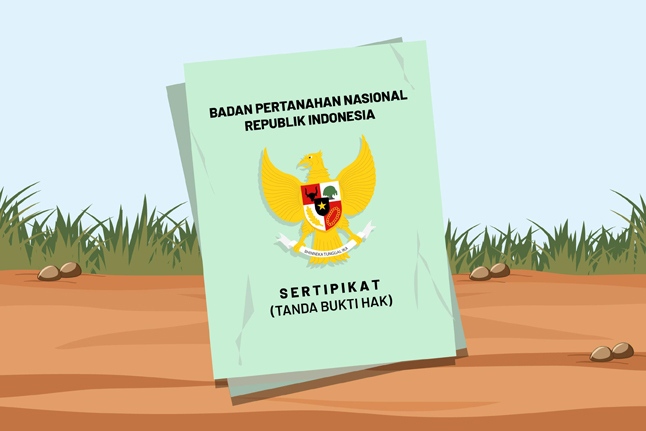 Property demand in Bali continues to rise, and with it comes increasing scrutiny from both national and local authorities. BPN certification is the backbone of land security. Without proper certification, you expose yourself to:
- Double ownership disputes
- Inheritance claims from extended families
- Incorrect zoning classifications (ITR mismatch)
- Fake certificates
- Developer fraud
- Future construction permit rejection (IMB/PBG)
A clean certificate is the foundation for ANY legal property process – from leasing, selling, mortgaging, to constructing.
In short: No certificate, no security. No security, no investment.
Understanding Indonesia’s Land Certificate Types (SHM, SHGB, SHSRS, and More)
Before you even begin the BPN process, you must understand what kind of certificate you’re dealing with – or aiming for.
a. SHM – Sertifikat Hak Milik (Freehold Title)
- Highest form of land ownership
- Only Indonesian citizens can hold it
- Foreigners cannot own SHM directly
In Bali’s context, SHM land is in highest demand from locals and developers.
b. SHGB – Hak Guna Bangunan (Right to Build)
- Valid for up to 30 years, renewable
- Can be held by companies including PT PMA
- Ideal for investors wanting full legal clarity
Most foreign developers use SHGB via PT PMA.
c. HPL – Hak Pengelolaan Lahan (Land Management Right)
Often found in tourism zones or government-controlled areas.
d. SHSRS – Strata Title (Apartments/Condo)
Largely used for multi-unit vertical developments.
e. Girik / Letter C / Sporadik
These are NOT certificates but traditional ownership letters still common in Bali’s villages.
Upgrading Girik or Sporadik into a formal certificate is possible – and often necessary – through BPN.
The Complete Step-by-Step BPN Certification Process
The BPN process is formulaic, but each file can have different complexities depending on:
- Land history
- Zoning (ITR Bali is strict)
- Family inheritance issues
- Physical boundaries
- Disputes
Here is the simplified step-by-step:
STEP 1 – Land Legality Check (Wajib / Mandatory)
Before buying or certifying land, always check:
- Certificate authenticity
- Land boundaries (measurements)
- Zoning category (ITRK Bali)
- Whether the land is in dispute
- BPN book status
Prevent problems before they occur.
STEP 2 – Document Collection
Typically requires:
- Identity documents
- Proof of ownership (AJB / Girik / Waris docs)
- Land tax receipts (PBB/SPPT)
- Physical boundary markings
- Witness statements (if upgrading Girik)
For Bali, banjar-level verification may also apply.
STEP 3 – Application Filing at BPN (Online or Offline)
Today, ATR/BPN supports digital submissions through:
- Sentuh Tanahku App
- Loket Online
- Aplikasi HT-El
But real-world experience shows you often need physical follow-up.
STEP 4 – Land Survey & Measurement
A BPN surveyor visits the land to:
- Measure boundaries
- Confirm neighbors’ borders
- Prevent future disputes
Tip: Always be present during the measurement.
STEP 5 – Public Announcement (“Pengumuman”)
Your application is publicly announced for 14–30 days.
If no objections, the process moves forward.
STEP 6 – Legal Validation & Mapping (“Pemetaan”)
BPN checks:
- Land registry books
- Overlapping maps
- Historical transfers
- Government land status
- Zoning compliance
STEP 7 – Certificate Issuance
Once everything is confirmed, BPN prints the official certificate.
You finally receive:
- SHM
- SHGB
- SHSRS
(depending on your application)
How Long Does the BPN Process Actually Take?
Official timelines differ from real-world timelines.
Official timeline:
30–120 days
Typical Bali timeline:
2 – 6 months
More complex upgrades (Girik → SHM) can take 6–12 months.
Factors that delay the process:
- Overlapping land claims
- Missing signatures from neighbors
- Land inheritance complexities
- Incorrect documents
- Zoning problems
- Surveyor backlog
- Peak holiday periods (Galungan, Kuningan, Nyepi)
Common Problems You Might Face (and How to Avoid Them)
a. Disputed Boundaries (“Sengketa Batas”)
Bali has many family compounds and traditional boundaries with no clear markers.
Solution: Use updated measurement tools and insist all neighbors sign.
b. Multiple Claimants
Sometimes two or more parties claim the same land.
Solution: Conduct deep due diligence before any money changes hands.
c. Fake Certificates
Counterfeit certificates exist.
Solution: Always verify at BPN directly – not photocopies.
d. Incomplete Inheritance Transfers
Common with Balinese land.
Solution: Ensure full legal waris documents before processing.
e. “Double Selling” by Land Owners
Happens when a seller rushes multiple deals simultaneously.
Solution: Lock in a PPJB with a notary and BPN checking.
Costs Involved in BPN Certificate Processing
Costs generally include:
- Measurement fees
- Mapping fees
- Registration fees
- Notary/PPAT fees
- Administration
- Potential “rush service” handling (not official, but common in practice)
The exact amount depends on:
- Land size
- Location
- Type of certificate
- Complexity
For most Bali transactions, costs range between IDR 5 million – 25 million depending on the process.
Special Considerations for Bali Investors
a. Banjar Influence
Local customary villages (banjar / desa adat) often require:
- Recognizing traditional boundaries
- Getting neighbor acknowledgment
- Complying with desa adat rules
b. Zoning Is Particularly Strict (ITR Bali)
Just because a land is “sold as pink zone” doesn’t mean BPN confirms it.
Always verify via ITR online or the latest ATR/BPN map.
c. Foreign Buyers Must Use a Legal Structure
Generally via:
- PT PMA for SHGB
- Long-term lease agreements
- Strata title for apartments
Direct SHM ownership is not allowed.
The Digital Shift in Land Certification
Indonesia is actively pushing digital land administration:
- Electronic certificates (Sertifikat Elektronik)
- HT-El for mortgages
- Online Loket submission
- “Sentuh Tanahku” app updates
Benefits:
- Real-time application tracking
- Reduced risk of physical certificate loss
- Faster checking and validation
- More transparency
This digital push will dramatically change Bali’s property landscape.
Investors who understand the digital system early gain a major advantage.
A Practical Guide for Property Buyers: What To Do Before Paying a Deposit
Before committing to any land transaction in Bali:
- Check certificate authenticity at BPN
- Confirm zoning (ITR) matches intended use
- Verify land boundaries through a surveyor
- Ensure no debts, tax bills, or disputes
- Confirm seller identity with e-KTP match
- Secure a notarial PPJB with a clear timeline
This checklist alone can prevent 80% of legal problems buyers face.
Tips to Speed Up the BPN Process
- Prepare all documents thoroughly
- Communicate early with neighbors about boundary approval
- Choose a notary/PPAT experienced in Bali-specific issues
- Track progress through digital apps
- Follow up consistently
A well-managed application can cut months off the normal timeline.