What to Do Before Buying or Building Property in Bali: How to Avoid Flood Risks and Protect Your Investment
Before buying or building property in Bali, it is crucial to understand the local flood risks from low-lying coastal zones and clogged drains to the loss of Subak farmland and climate change impacts. This article explains how floods affect property value, legal compliance, and long-term investment returns. It provides practical steps: check zoning and flood maps, design with raised foundations, use flood-resistant materials, ensure drainage and green landscaping, and consult experts. With case studies from Seminyak, Kuta, Ubud, and Jimbaran, plus government policies and rising demand for eco-friendly flood-safe villas, this guide helps investors and homeowners make smarter, safer, and more sustainable decisions in Bali’s property market.
Bali is one of Southeast Asia’s most sought-after property destinations. Its natural beauty, strong tourism market, and lifestyle appeal make it an attractive location for villas, resorts, and residential projects. However, one critical factor that buyers and investors often overlook is flood risk. Seasonal floods in Bali are driven by heavy rainfall, inadequate drainage, rapid urbanization, and climate change. If ignored, flooding can damage buildings, reduce property value, increase insurance costs, and complicate legal permits.
This article provides a comprehensive guide on what to do before buying or building property in Bali to avoid flood risks. We will explore Bali’s unique flood challenges, how floods impact property values, and practical steps to ensure your investment is safe and sustainable. From location analysis and zoning laws to flood-resilient design and landscaping, the guide covers actionable strategies. We also highlight case studies from Seminyak, Kuta, Ubud, and Jimbaran, as well as trends in eco-friendly villas designed with flood protection in mind.
By understanding these risks and solutions, you can secure an investment that delivers comfort, safety, and long-term value.
Why Flood Risks Must Be a Priority
Bali’s Topography and Climate
- Bali has diverse terrain: coastal plains, river valleys, and central mountains. Properties located in low-lying coastal zones such as Kuta, Seminyak, and Denpasar face higher flood risks than upland areas like Ubud or Bedugul.
- Rainfall is highly seasonal. The wet season runs from November to March, often bringing intense downpours that overwhelm drainage systems.
- Climate change is amplifying extreme rainfall events, increasing the likelihood of flash floods and prolonged inundation.
Land Use Changes and Urbanization
- Bali’s traditional Subak rice field system historically absorbed and channeled rainwater. Conversion of farmland into villas, resorts, and roads reduces natural absorption, increasing surface runoff.
- Rapid urban growth around Canggu, Sanur, and southern Bali has replaced green areas with concrete, intensifying waterlogging problems.
Drainage Infrastructure Limitations
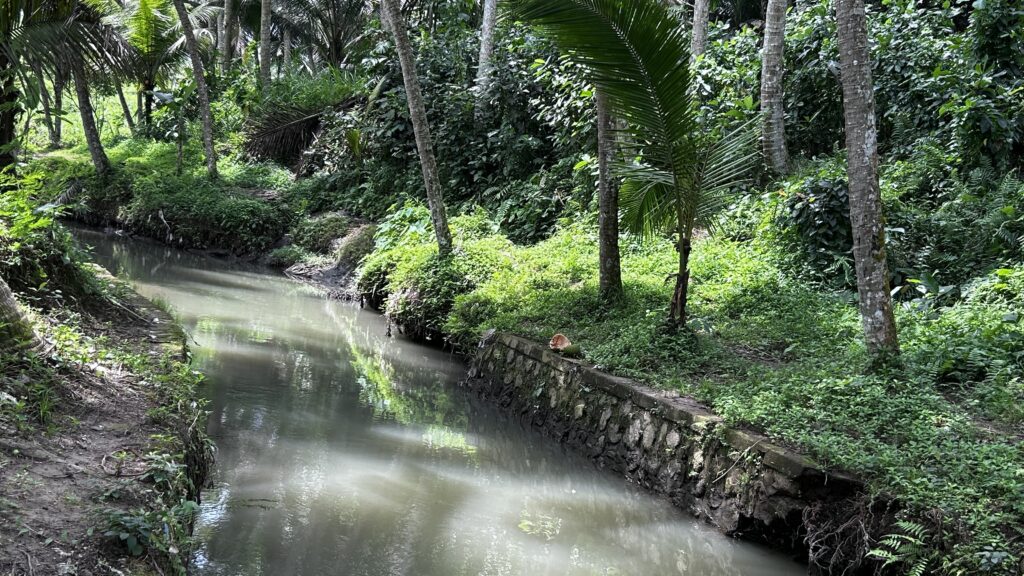
- Many areas lack modern stormwater infrastructure. Small drains often overflow, while rivers and canals are frequently clogged with debris or waste.
- Without adequate maintenance, these systems fail during peak rainfall, leaving entire neighborhoods flooded.
Climate Change and Long-Term Risks
- Rising sea levels threaten coastal settlements and beachfront villas. Saltwater intrusion and tidal flooding are expected to worsen in the coming decades.
- Property investors must consider not only today’s risks but also future climate scenarios.
The Correlation Between Flooding and Property
Impact on Property Value
- Flood-prone properties typically depreciate faster and may take longer to sell.
- Villas or houses advertised as “flood-safe” command higher prices, as international buyers prioritize resilience.
Insurance and Financial Burden
- Insuring property in high-risk zones is expensive, and in some cases, coverage may be denied.
- Flood repairs can cost thousands of dollars: structural reinforcements, replacing interiors, and treating mold or dampness.
Legal and Regulatory Issues
- Local governments are tightening zoning laws to prevent development in flood-prone areas.
- Properties built without compliance may face difficulties obtaining permits or may even be subject to demolition.
Health and Lifestyle Impacts
- Floodwaters can carry bacteria and cause disease outbreaks.
- Dampness and mold reduce indoor air quality and harm residents’ health.
- Frequent flooding disrupts mobility, tourism access, and rental income.
The Rising Demand for Eco-Friendly Villas
- International buyers increasingly demand sustainable, flood-resilient properties.
- Projects incorporating rainwater harvesting, raised structures, and green landscaping attract premium tenants and buyers.
Essential Steps Before Buying or Building
Location Analysis
- Check topographic maps, flood history, and proximity to rivers or the coast.
- Ask neighbors about past flooding experiences.
Flood Risk and Zoning Maps
- Use resources like ThinkHazard! or consult Bali’s local government (PUPR, BNPB).
- Confirm zoning regulations to avoid buying land in restricted areas.
Hydrological and Geotechnical Studies
- Soil tests reveal drainage capacity and ground stability.
- Essential for foundation design and long-term building resilience.
Flood-Resilient Design
- Raise the foundation or build on stilts.
- Install wide gutters and downspouts to direct water away quickly.
- Use water-resistant materials such as reinforced concrete, ceramic tiles, and waterproof sealants.
Drainage and Community Infrastructure
- Ensure the neighborhood has functional drainage channels.
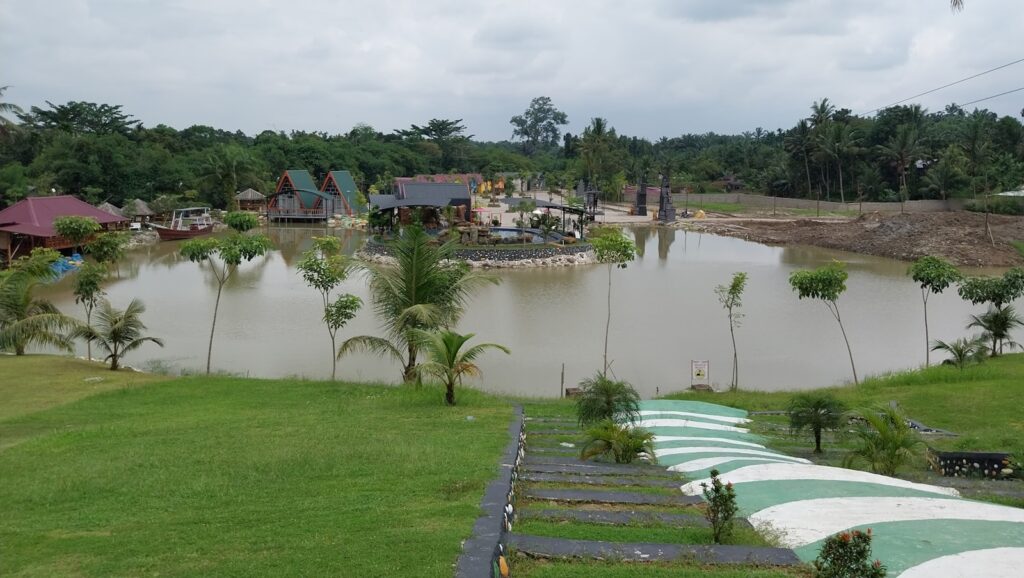
- Incorporate private solutions such as retention ponds or soak wells.
Vegetation and Landscaping
- Retain green areas to absorb water.
- Use rain gardens and permeable paving to reduce runoff.
Permits and Regulations
- Obtain all legal permits, including IMB (building permits) and zoning approval.
- Check environmental impact assessments for compliance.
Insurance and Financial Planning
- Compare insurance options before purchase.
- Factor in potential flood-proofing costs when evaluating ROI.
Consult Professionals
- Work with local architects, civil engineers, and hydrology experts.
- Their expertise ensures tailored solutions for Bali’s environment.
Keep Updated on Climate and Infrastructure Changes
- Monitor government drainage projects and new flood prevention policies.
- Adapt property management plans as conditions evolve.
Case Studies in Bali
- Seminyak & Kuta: Popular tourist hubs but prone to seasonal flooding due to clogged street drains.
- North Denpasar: Frequent flooding caused by farmland conversion into housing.
- Bukit Jimbaran & Pecatu: Elevated terrain; many eco-villas here integrate natural slopes for water runoff.
- Ubud: Generally safe, though villas near rivers face risks of flash floods and landslides.
Government Policy and Investment Opportunities
Current Regulations
- Stricter zoning laws aim to prevent development in high-risk flood zones.
- Local governments emphasize flood-resilient infrastructure.
Challenges
- Lack of detailed flood maps for some districts.
- Developers often prioritize speed and profit over safety.
Opportunities
- Eco-friendly, flood-safe villas are a growing niche market.
- Investors who prioritize sustainability can achieve higher occupancy rates and long-term gains.
- Collaboration with local authorities on drainage and conservation initiatives enhances property value.
20 Practical Tips
- Avoid low-lying land and valleys.
- Choose plots higher than the adjacent road.
- Check visible drainage systems.
- Ask neighbors about flood history.
- Verify permits and zoning restrictions.
- Hire experienced local architects.
- Use flood-resistant building materials.
- Install soak wells or retention ponds.
- Keep at least 30% of land green.
- Maintain clean roof gutters.
- Consider protective embankments if near rivers.
- Create a rain garden for excess water.
- Keep portable water pumps available.
- Store documents in waterproof cases.
- Install ceramic flooring on lower levels.
- Avoid carpets in flood-prone areas.
- Place electrical systems above flood levels.
- Use water-resistant furniture on ground floors.
- Stay updated with local government flood alerts.
- Secure comprehensive property insurance.
Buying or building property in Bali is not only about scenic views and prime locations, it’s also about resilience and foresight. Floods pose real risks to property value, structural safety, and daily comfort. By conducting location analysis, complying with zoning laws, designing with resilience in mind, and incorporating drainage and vegetation, investors and homeowners can protect both their assets and their peace of mind.
A flood-safe property in Bali is more than just a villa or house, it represents security, sustainability, and long-term investment value. With the right steps, you can enjoy Bali’s tropical lifestyle without worrying about seasonal floods disrupting your dream.